
Europe Travel Guides
Unforgettable European Adventures Await You
Europe Travel Guide: How to Plan Your Perfect Trip
Planning a trip to Europe is exciting, but deciding where to go, how long to stay, and how to get between destinations can quickly become overwhelming.
Should you spend two weeks exploring Italy? Visit several countries by train? Or plan your trip around Europe’s famous Christmas markets?
I’ve traveled throughout Europe for years, often visiting several destinations on the same trip. From exploring Italy’s coastal villages and historic cities to discovering Christmas markets in Belgium, France, Germany, and Switzerland, I’ve learned that a great European vacation starts with a realistic plan.
And that doesn’t mean scheduling every minute.
I prefer flexible itineraries that leave time to wander through local markets, enjoy a long lunch, or discover something unexpected.
This Europe travel guide brings together my firsthand destination recommendations, practical travel tips, packing advice, and planning resources to help you create a trip that fits your interests and travel style.
Whether you’re visiting Europe for the first time or returning to explore somewhere new, you’ll find the information you need to plan confidently without spending hours researching every detail.
Europe Trip Planning at a Glance
Planning your first European vacation? Here are my top recommendations based on years of traveling throughout Europe.
- Best time to visit: April, May, September, and October are my favorite months for comfortable sightseeing and avoiding the busiest summer crowds.
- Ideal trip length: Plan 10 to 14 days if possible, focusing on one country or a few easily connected destinations.
- Getting around: I prefer trains for many city-to-city journeys, but rental cars are useful for exploring the countryside.
- Daily itinerary: Choose one or two must-do activities each day and leave time for spontaneous discoveries.
- Packing: Bring comfortable walking shoes, versatile layers, and luggage you can easily manage on trains and cobblestone streets.
- Christmas markets: I prefer late November or early December, depending on market opening dates, to avoid the final holiday rush.
Start Planning Your Europe Trip
Not sure where to begin? Use these sections to find the information you need.
- How to Plan a Trip to Europe: Choose your destinations, decide how long to stay, and create a realistic itinerary.
- Where to Go in Europe: Explore my destination guides for Italy, Malta, Belgium, France, Germany, Switzerland, and more.
- Best Time to Visit Europe: Compare the seasons and decide when to travel.
- Getting Around Europe: Learn about trains, flights, rental cars, and local transportation.
- Europe Travel Documents: Understand passports, entry requirements, and travel authorizations.
- What to Pack for Europe: Find packing lists, footwear recommendations, and seasonal advice.
- Europe Travel Apps and Resources: Discover tools that make navigating and organizing your trip easier.
- Europe Trip Planning Tools: Find free checklists, detailed itineraries, and resources to simplify your planning.
- Europe Travel FAQs: Get answers to common questions about trip length, transportation, entry requirements, packing, and planning your first European vacation.
How to Plan a Trip to Europe
Planning a European vacation starts with a few important decisions. Where do you want to go? How much time do you have? And what experiences matter most to you?
One of the biggest mistakes travelers make is trying to squeeze too many destinations into one trip. Europe may look compact on a map, but traveling between cities takes time, especially when you factor in packing, checking out of hotels, and getting to train stations or airports.
Here’s how I recommend approaching your Europe trip planning.
1. Choose Your Must-Visit Destinations
Start with the places you’ve always wanted to experience.
Maybe that’s exploring Rome’s ancient ruins, wandering through the villages of Cinque Terre, enjoying afternoon tea in London, or visiting Europe’s Christmas markets.
Make a list of your must-see destinations, then narrow it down based on how much time you have.
CT Tip: I like to build an itinerary around a few destinations I’m most excited about, rather than trying to visit as many countries as possible. You can always save something for a future trip!
2. Decide How Many Days to Spend in Europe
Your trip length will help determine how many destinations you can realistically visit.
For a first European vacation, I recommend spending at least three nights in major cities when possible. This gives you time to see the highlights without constantly packing and moving hotels.
If you have 10 to 14 days, focus on one country or combine a few destinations that are easy to reach by train.
Remember to account for your arrival and departure days. Long flights, jet lag, and transportation can reduce the time you actually have for sightseeing.
3. Plan Your Transportation Between Destinations
Once you’ve chosen your destinations, look at how you’ll travel between them.
Europe has extensive train networks, making rail travel a convenient option for many city-to-city journeys. However, trains aren’t always the fastest or most practical choice.
Depending on your itinerary, you may also want to consider short flights, rental cars, or ferries.
Compare the total travel time, not just the time spent on the train or plane. Getting to airports, arriving early for security, and transferring to your accommodation can add hours to a journey.
CT Tip: When possible, I prefer booking train travel between European cities. It’s often more convenient than flying, especially when stations are located near the city center.
4. Build a Flexible Europe Itinerary
After choosing your destinations and transportation, start organizing the experiences you want to include.
I recommend identifying one or two priority activities each day, then leaving room to explore.
Book popular attractions and experiences in advance when necessary, but don’t schedule every hour of your trip.
Some of my favorite travel memories come from wandering through markets, discovering local restaurants, or stopping somewhere unexpected.
For more detailed advice, read my guide on How to Create a Travel Itinerary.
5. Book Your Accommodations Strategically
Where you stay can make a big difference in how smoothly your European vacation goes.
Look for accommodations with convenient access to public transportation, restaurants, and the attractions you want to visit.
I often prefer walkable neighborhoods where we can explore easily without relying on taxis or rental cars.
Before booking, check the distance from your hotel to the train station or airport, especially if you’ll be moving between destinations.
6. Organize Your Travel Documents and Reservations
Before departure, confirm that your passport meets the entry requirements for every country on your itinerary.
Depending on your citizenship and destinations, you may also need a visa or electronic travel authorization.
Keep digital copies of your hotel reservations, transportation tickets, and important travel documents. I also like having printed backups of essential confirmations.
Read my Europe Travel Documents Checklist for more information about preparing for your trip.
CT Tip: I organize our reservations and itinerary before leaving home so I can easily find confirmation numbers, transportation details, and hotel addresses. Having everything in one place makes traveling between destinations much less stressful.
Need Help Organizing Your Europe Itinerary?
You don’t have to start planning from a blank page.
My travel planning resources help you organize destinations, transportation, accommodations, and sightseeing into a flexible itinerary that works for your travel style.
Explore my travel planning tools and start turning your Europe bucket list into a trip you’ll love.
Where to Go in Europe: My Destination Guides
One of the hardest parts of planning a European vacation is deciding where to go. With historic cities, charming villages, beautiful coastlines, and incredible food, narrowing down your destinations isn’t easy.
I’ve traveled throughout Europe for years, and some of my favorite experiences have been exploring Italy’s coastal towns, discovering Malta’s history, and wandering through Europe’s Christmas markets.
Whether you’re planning your first European vacation or looking for somewhere new to explore, these destination guides will help you decide where to go and what to experience.
Belgium Travel Guides
Belgium is one of my favorite destinations for a European city break, especially during the Christmas market season.
Bruges offers picturesque canals and medieval architecture, Ghent has a lively historic center, and Antwerp is wonderful for shopping and exploring. Brussels also makes a convenient base for visiting several Belgian cities by train.
Belgium is an excellent choice if you enjoy historic towns, local food, and destinations that are easy to combine.

Explore my Belgium travel guides
- Ultimate Guide On How to Spend Two Days in Bruges, Belgium
- Christmas Markets in Bruges, Belgium: Complete 2026 Guide
- Day Trip to Ghent: A 1-Day Guide to Belgium’s Most Underrated City
- Christmas Markets in Ghent: Why This Small Market Stole Our Hearts
- Explore the Magic of Antwerp Christmas Markets in 2026
- Christmas Markets in Brussels, Belgium: A Winter Wonderland
France Travel Guides
France offers much more than Paris. From Alsace’s storybook towns to historic cities and beautiful countryside, you can experience French culture in countless ways.
I’ve especially enjoyed visiting Strasbourg and Colmar during the Christmas season, when festive decorations and markets fill their historic streets.
France is a wonderful destination for travelers who love food, architecture, history, and exploring charming towns.

Explore my France travel guides
Germany Travel Guides
Germany offers a fantastic mix of history, culture, and traditional Christmas markets.
Munich is especially appealing during the holiday season, with festive markets, historic squares, and plenty of opportunities to enjoy Bavarian food and traditions.
Germany is also well connected by rail, making it possible to combine several cities on one European itinerary.

Explore my Germany travel guides
Greece Travel Guides
Greece is a wonderful destination for travelers who love ancient history, beautiful coastlines, and Mediterranean cuisine.
From exploring the Acropolis in Athens to wandering through whitewashed villages on the Greek islands, there’s something for every travel style. Spend your days exploring archaeological sites, enjoying waterfront restaurants, or relaxing on beautiful beaches.
Greece is especially appealing if you want to combine cultural experiences with time by the sea.

Explore my Greece travel guides
Italy Travel Guides
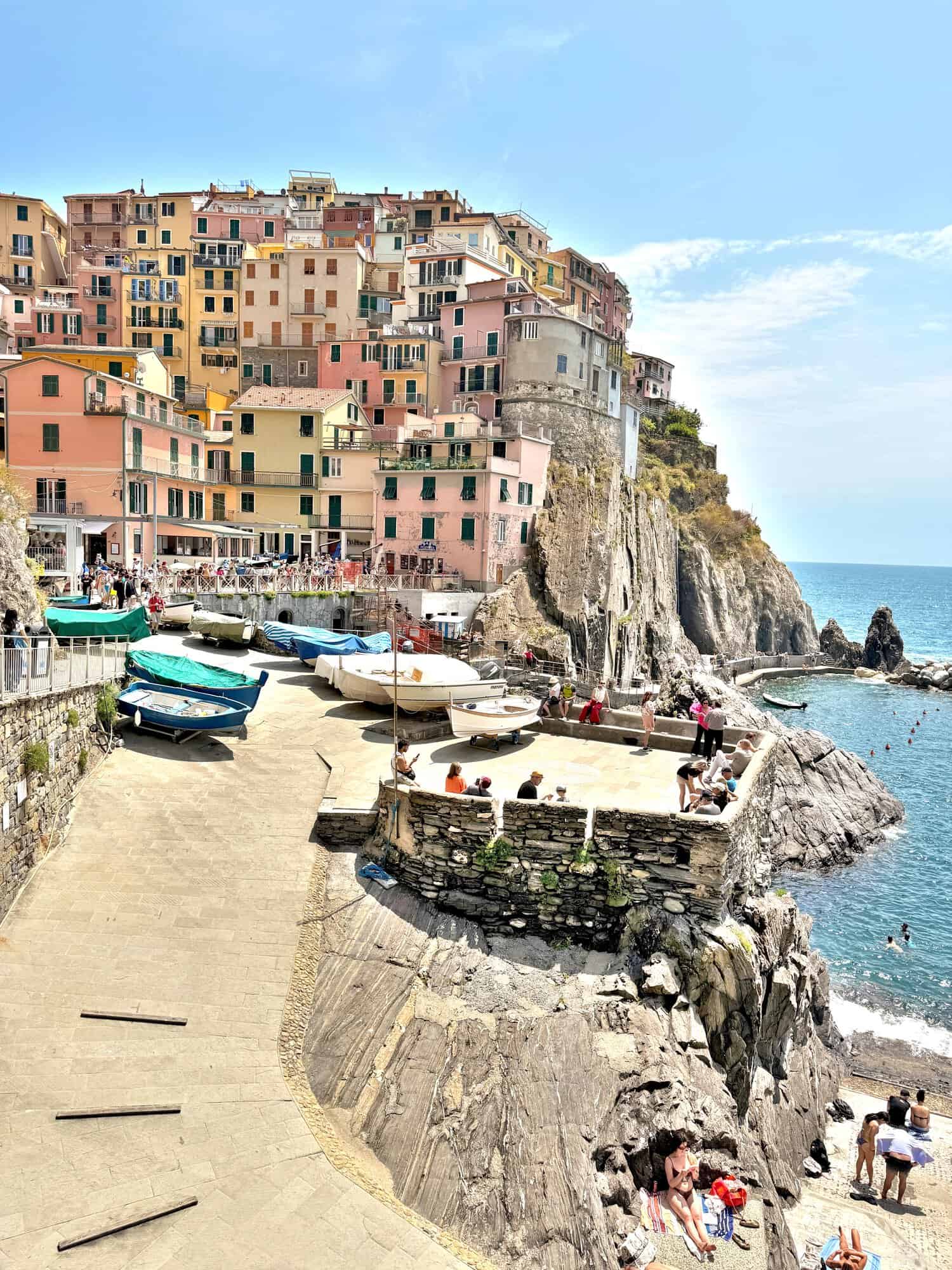
Italy is one of my favorite countries to explore. From Venice’s canals and Rome’s historic streets to Tuscany’s countryside and the colorful villages of Cinque Terre, there’s so much variety.
Italy is a wonderful choice if you love history, art, architecture, and memorable meals.
I’ve visited several regions of Italy, and my guides include firsthand recommendations for planning your itinerary, getting between destinations, and discovering places beyond the most famous attractions.
Explore my Italy travel guides
Whether you’re deciding which Italian destinations to visit or figuring out what to pack, these guides will help you plan the details.
Malta Travel Guides
Malta is a destination I return to regularly. This Mediterranean island country combines fascinating history, beautiful coastal scenery, and charming towns.
Explore Valletta’s historic streets, visit ancient temples, take a boat trip, or enjoy a relaxing afternoon overlooking the Mediterranean.
Malta is a great choice for travelers who enjoy history, culture, and coastal experiences without needing to change hotels every few days.

Explore my Malta travel guides
Czech Republic Travel Guides
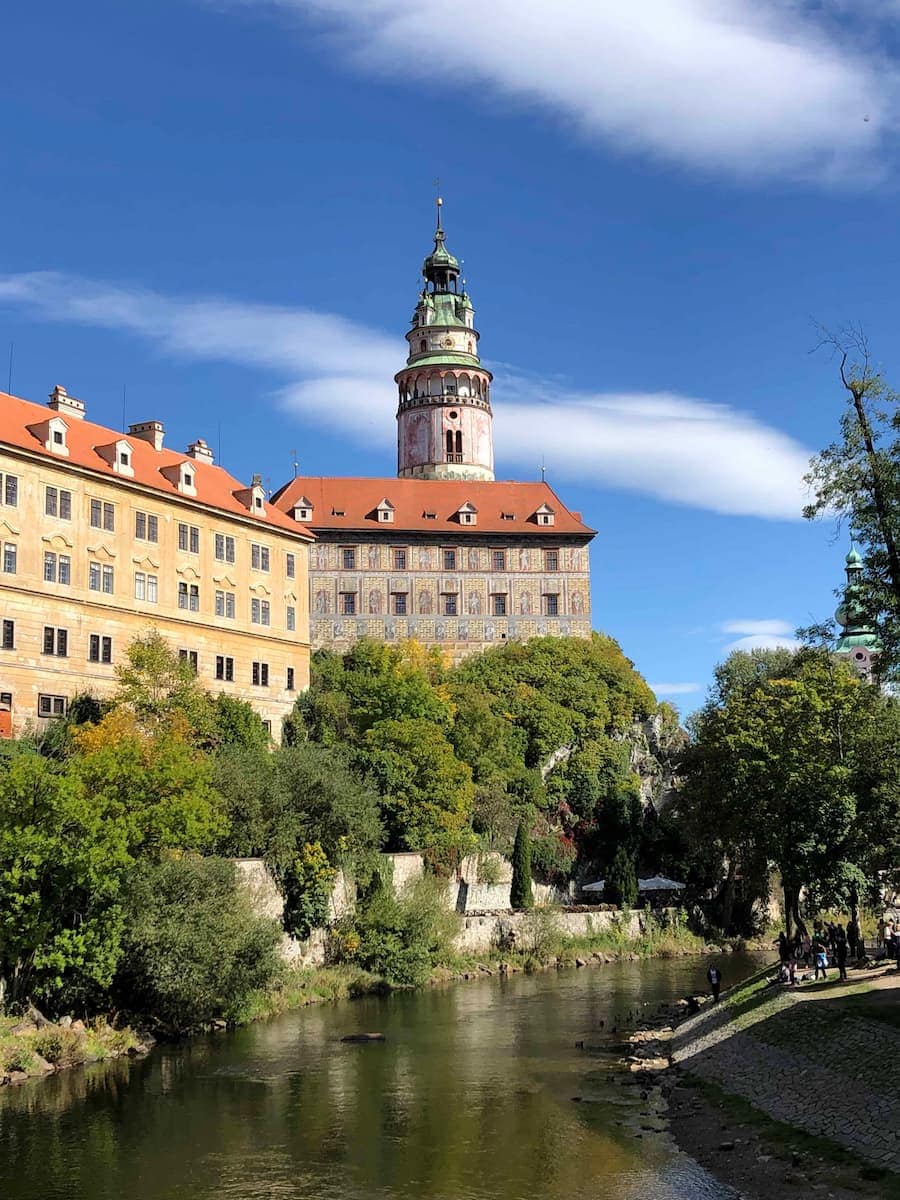
The Czech Republic, also known as Czechia, is a fantastic destination for travelers who enjoy history, architecture, and charming European cities.
Prague is the country’s most famous destination, with its medieval Old Town, impressive castle, and historic Charles Bridge. Beyond Prague, you’ll find picturesque towns, castles, and opportunities to experience Czech culture and traditions.
The Czech Republic is a great choice for a European city break or as part of a longer Central European itinerary.
Explore my Czech Republic travel guides
Spain Travel Guides
Spain offers an incredible mix of historic cities, beautiful coastlines, distinctive architecture, and regional food traditions.
From Barcelona’s famous architecture and Madrid’s world-class museums to the historic neighborhoods of Seville, each region offers a different experience. Whether you’re interested in art, history, local markets, or memorable meals, Spain has plenty to explore.
Spain is an excellent destination for travelers who enjoy combining cultural sightseeing with great food and time to slow down.

Explore my Spain travel guides
Switzerland Travel Guides
Switzerland is known for its dramatic mountain scenery, beautiful lakes, and efficient train network.
Zurich and Basel are particularly enjoyable during the Christmas market season, and both can work well as part of a multi-country itinerary.
Switzerland is a great choice for travelers who love scenic experiences, picturesque cities, and train travel.

Explore my Switzerland travel guides
Best Time to Visit Europe
The best time to visit Europe depends on your destination and what you want to experience. But if you’re asking for my personal recommendation, I almost always choose the shoulder season.
After years of traveling throughout Europe, I’ve found that April, May, September, and October are my favorite months to visit. I sometimes travel in early June, but I generally avoid the busiest summer months.
These months often offer a better balance of comfortable sightseeing weather, manageable crowds, and opportunities to enjoy popular destinations without the peak summer rush.
Of course, there are exceptions. If you’re planning a beach vacation or visiting Europe’s Christmas markets, your ideal travel dates may be different.
Here’s how the seasons compare when planning a European vacation.
| Season | What to Expect | My Recommendation |
|---|---|---|
| Spring (March–May) | Generally milder weather, blooming gardens, and increasing daylight | April and May are favorites for city sightseeing |
| Summer (June–August) | Long days, popular coastal destinations, and peak crowds | I prefer early June when summer travel is necessary |
| Fall (September–November) | Cooler temperatures in many regions and fewer crowds after summer | September and October are favorites for exploring |
| Winter (December–February) | Cold weather in northern Europe and festive holiday experiences | Late November and early December for Christmas markets |
Visiting Europe in Spring
Spring is one of my favorite times to explore Europe, especially in April and May.
I love visiting European cities when the weather is comfortable enough for long days of sightseeing without the intense summer heat. It’s also a wonderful time to explore gardens, historic neighborhoods, and outdoor markets.
While spring weather can be unpredictable, I’m happy to pack an extra layer to avoid some of the peak summer crowds.
CT Tip: If your schedule allows, I recommend planning your European vacation in April or May. Early June can also be a good option before the busiest part of summer in many destinations.
Visiting Europe in Summer
Summer is a popular time to visit Europe, particularly for beach vacations, Mediterranean islands, and coastal destinations.
However, it’s not usually my first choice for exploring major European cities. Popular attractions can be crowded, accommodations book up quickly, and southern Europe can get intensely hot.
If summer is your only option, I’d consider traveling in early June or planning sightseeing for the cooler parts of the day.
Don’t forget to leave time for leisurely meals, exploring local markets, and enjoying the longer summer evenings.
Visiting Europe in Fall
September and October are two of my favorite months to travel throughout Europe.
I enjoy exploring historic cities, wandering through neighborhoods, and visiting local markets as the busiest summer crowds start to disappear.
Fall is also a wonderful time for food and wine experiences, countryside visits, and multi-city European itineraries.
CT Tip: If you’re flexible with your travel dates, September and October are among my top choices for a European vacation. Remember that temperatures and weather vary by destination.
Visiting Europe in Winter
Winter is when I make an exception to my usual shoulder-season preference. I love visiting Europe’s Christmas markets!
I’ve explored Christmas markets in Switzerland, France, Belgium, and other European destinations, and I especially enjoy the atmosphere of the historic squares, festive decorations, and seasonal traditions.
But here’s something I’ve learned: I prefer visiting Christmas markets in late November or early December.
You can enjoy the holiday atmosphere without being caught up in the frantic rush that often builds as Christmas approaches.
Market dates vary, and some don’t open until December, so always confirm the schedules before planning your trip.
CT Tip: When planning a European Christmas market itinerary, I recommend late November or early December whenever the markets you want to visit are open. You’ll still experience the Christmas magic, but I prefer the more relaxed pace before the final holiday rush.
Planning a European Christmas market trip? Explore my European Christmas Market Guides for firsthand recommendations on visiting festive markets in Belgium, France, Germany, and Switzerland. You’ll find destination tips, market highlights, and advice to help you plan your own Christmas market itinerary.
How to Get Around Europe
One of the best things about traveling through Europe is how easy it can be to visit several destinations on one trip. But deciding whether to travel by train, plane, or rental car can feel overwhelming, especially if you’re planning your first European vacation.
I’ve traveled between European cities by train, plane, ferry, and rental car. My preferred transportation depends on the destination, but whenever possible, I love traveling by train.
The key is choosing the transportation that makes the most sense for your itinerary, rather than automatically booking the cheapest or fastest-looking option.
| Transportation | Best for | Considerations |
| Train | City-to-city travel, especially shorter and medium-distance routes | Ticket types, transfers, reservations |
| Plane | Long distances and destinations with limited rail connections | Airport transfers, luggage fees |
| Rental car | Countryside, villages, flexible road trips | Parking, tolls, driving regulations |
| Public transit | Exploring cities and surrounding areas | Local ticketing and validation rules |
| Ferry | Islands and coastal destinations | Seasonal schedules, weather disruptions |
Traveling Europe by Train
Train travel is one of my favorite ways to explore Europe, especially when visiting multiple cities.
Many European train stations are conveniently located near city centers, which means you can often avoid lengthy airport transfers and arrive close to your accommodations.
Trains are especially useful for routes like Rome to Florence, Brussels to Bruges, and Zurich to Basel.
However, not every train journey is straightforward. Different countries have different rail operators, ticketing systems, and reservation requirements.
CT Tip: When comparing trains and flights, look at the total travel time. A short flight might seem faster, but getting to the airport, arriving early for security, and traveling into the next city can take several additional hours.
Nervous About Taking Trains in Europe?
European train travel doesn’t have to be confusing.
Start with my FREE Europe Train Travel Cheat Sheet to learn the basics of navigating train stations, understanding tickets, and preparing for your journey.
Want more detailed help? My Europe Train Travel Confidence Kit walks you through the planning and booking process so you can travel between destinations with confidence.
When to Fly Between European Destinations
Flying makes sense for long-distance travel or when destinations aren’t easily connected by train.
For example, if you’re combining mainland Europe with Mediterranean islands, flying may be more practical than spending an entire day traveling overland.
Before booking, consider baggage fees, airport transfers, and the time you’ll spend getting through the airport.
Also, check whether your flight arrives at the main airport or a smaller airport farther from the city.
Renting a Car in Europe
While I prefer public transportation for many European cities, renting a car can be a wonderful way to explore the countryside.
A rental car gives you flexibility when visiting small villages, rural accommodations, wineries, and destinations that public transportation can’t easily reach.
I’ve especially enjoyed having a car when exploring areas where stopping along the way is part of the experience.
However, driving in historic European city centers can be stressful. Narrow streets, limited parking, and restricted traffic zones make a car less practical in many cities.
CT Tip: If your itinerary includes both major cities and countryside destinations, consider renting a car only for the portion of your trip when you’ll need it. You often don’t need to pay for parking when exploring a city that’s easy to navigate on foot or by public transportation.
Using Public Transportation in European Cities
Many European cities have excellent public transportation networks, including buses, trams, metros, and local trains.
Before arriving, I recommend downloading the local transportation app and familiarizing yourself with how tickets work.
Some cities allow contactless payments directly at ticket gates or onboard vehicles, while others require you to purchase or validate a ticket separately.
Walking is also one of my favorite ways to explore European destinations, especially historic neighborhoods, markets, and city centers.
Ferries and Boat Transportation
Ferries can be an important part of your European itinerary, particularly when visiting islands and coastal destinations.
Depending on where you’re traveling, ferries may connect islands, coastal towns, or nearby countries.
Before booking, check schedules, luggage policies, and whether services operate year-round. Some routes run less frequently outside the main tourist season.
If you’re visiting islands or coastal areas, leave some flexibility in your itinerary in case weather affects ferry schedules.
Europe Travel Requirements and Documents
Before traveling to Europe, make sure you have the correct documents for every country on your itinerary. Entry requirements vary by citizenship, destination, and length of stay.
I’ve traveled between several European countries on the same trip, and I’ve learned that checking entry requirements early makes the planning process less stressful.
Passport Requirements for Europe
If you’re traveling with a U.S. passport, check its expiration date well before departure.
For most countries in the Schengen Area, your passport must be valid for at least three months beyond your planned departure and must have been issued within the previous 10 years.
Other European countries may have different requirements, so always check the rules for each destination.
Do You Need a Visa or Travel Authorization?
U.S. passport holders can generally visit the Schengen Area for tourism for up to 90 days within a rolling 180-day period without a visa.
However, some European destinations have separate entry requirements.
For example, the United Kingdom requires most U.S. visitors to obtain an Electronic Travel Authorization (ETA) before traveling.
The European Union is also introducing ETIAS, a travel authorization system for eligible visa-exempt visitors. Check its official implementation status before your trip rather than assuming it is already required.
Other Important Travel Documents
In addition to your passport and any required travel authorizations, I recommend organizing your hotel reservations, transportation confirmations, travel insurance information, and important contact details before leaving home.
I keep digital copies of my travel documents, but I also like having printed backups of essential reservations and itinerary details.
CT Tip: Don’t rely entirely on your phone or an internet connection when traveling internationally. Keeping important documents organized and accessible can save time and unnecessary stress.
For a complete list of what to prepare before departure, read my Europe Travel Documents Checklist for U.S. Travelers.
What to Pack for Europe
Packing for a European vacation can be tricky, especially if you’re visiting several destinations or traveling during the spring and fall shoulder seasons.
I’ve learned that packing versatile clothing, comfortable shoes, and layers makes traveling through Europe much easier. I also prefer to pack light whenever possible, particularly when traveling between cities by train.
What you need will depend on the season, destinations, and activities you’ve planned, but a few essentials belong on almost every European packing list.
Clothing Essentials for Europe
I recommend building your travel wardrobe around comfortable, versatile pieces you can mix and match.
Start with clothing that works for sightseeing, casual meals, and evenings out. Neutral colors and lightweight layers make it easier to create several outfits without overpacking.
If you’re traveling during the shoulder season, pack layers you can add or remove as temperatures change throughout the day.
CT Tip: Don’t pack for every possible situation. Think about what you’ll actually do each day, and choose clothing that works for several activities.
For a complete breakdown of what to bring, explore my Europe Packing List and Men’s Packing List for Europe.
Comfortable Shoes for European Travel
If there’s one thing I wouldn’t compromise on when packing for Europe, it’s comfortable footwear.
European vacations often involve long days of walking, uneven cobblestone streets, stairs, and train stations.
I recommend bringing at least one pair of supportive walking shoes you’ve already worn.
Depending on your itinerary and the season, you might also want a second pair of comfortable shoes for dinners or different weather conditions.
CT Tip: Never save brand-new shoes for a European vacation. Break them in before you leave so you know they’ll be comfortable during long sightseeing days.
Need help choosing footwear? Check out my recommendations for comfortable walking shoes for Europe.
Packing for Europe’s Different Seasons
Your packing list will look different depending on when and where you’re traveling.
- Spring: Layers, a lightweight jacket, comfortable walking shoes, and rain protection.
- Summer: Breathable clothing, sun protection, and lightweight layers for cooler evenings or air-conditioned spaces.
- Fall: Versatile layers, a warmer jacket, and shoes suitable for changing weather.
- Winter: A warm coat, insulating layers, gloves, scarves, and footwear appropriate for cold or wet conditions.
Remember that the weather can vary significantly between northern and southern Europe, even during the same month.
Traveling to Italy during the warmer months? My What to Wear in Italy in Summer guide has more specific packing recommendations. If you’re looking for what to wear to Christmas Markets in Europe, my Winter Packing List will guide you.
Travel Essentials I Always Recommend
Beyond clothing, a few practical items can make European travel easier.
I recommend packing a portable power bank, the appropriate plug adapter, a small day bag, and packing cubes to keep your luggage organized.
I also like to keep important travel documents accessible and carry digital and printed copies of essential reservations.
If you’re traveling between several European destinations, consider how easily you can manage your luggage on trains, stairs, and cobblestone streets.
CT Tip: Before leaving for Europe, I make sure my luggage is organized and easy to handle. Packing light makes moving between destinations much less stressful.
Get My Free Europe Packing Checklist
Not sure what to bring?
My free Europe Packing Checklist will help you organize your clothing, travel essentials, and important items before departure.
You can also explore my detailed Europe packing guides for more specific recommendations based on your travel style and the season.
Essential Europe Travel Apps and Tools
Having the right travel apps on your phone can make exploring Europe much easier, especially when you’re navigating unfamiliar cities, using public transportation, or traveling between countries.
I’ve learned that downloading a few essential apps before you leave home can save time and reduce frustration on the road. I also like having everything organized before I arrive so I’m not searching for information while standing in a busy train station.
Here are some travel apps and tools I recommend for a European vacation.
Navigation and Public Transportation Apps
Google Maps is one of my most-used travel apps. I use it to find walking directions, locate restaurants, and figure out how to get between attractions.
For public transportation, Citymapper is especially helpful in supported European cities. It offers route options by train, bus, metro, and walking.
In London, I also recommend TfL Go, which provides information about the city’s public transportation network.
CT Tip: Download offline Google Maps for your destinations before leaving home. That way, you can still access maps when you have limited internet connectivity.
Train and Transportation Booking Apps
When planning European train travel, I recommend comparing routes, schedules, and ticket options before booking.
Omio is a useful tool for researching transportation between European destinations.
However, I also recommend checking the train operator’s official website to compare prices, ticket conditions, and reservation requirements.
For complicated journeys, knowing which train you’re taking and where you need to change trains can make the experience much less stressful.
Staying Connected in Europe
Having reliable mobile data makes traveling through Europe much easier. Whether you’re using Google Maps to navigate a new city, checking train schedules, or looking up restaurant recommendations, I always plan to stay connected before leaving home.
I use Airalo eSIMs when traveling internationally. An eSIM lets you access mobile data without swapping your physical SIM card, as long as your phone is compatible and unlocked.
If you’re visiting several European countries, you may be able to choose a regional eSIM plan that covers multiple destinations.
Not sure how eSIMs work or whether they’re right for your trip? Read my guide to using eSIMs for international travel, where I explain how they work and what to consider before purchasing one.
I also recommend downloading WhatsApp, which is useful for communicating with hotels, tour operators, and other contacts while traveling.
CT Tip: Set up your eSIM before leaving home, following your provider’s activation instructions. That way, you’ll be ready to connect when you arrive in Europe.
Organizing Reservations and Travel Plans
Keeping your reservations organized is especially important when visiting several European destinations on one trip.
I like having hotel confirmations, transportation tickets, attraction reservations, and important travel documents accessible on my phone.
But I don’t rely entirely on digital copies. I also keep printed backups of essential information in case my phone stops working or I lose internet access.
CT Tip: Keep your hotel address and transportation details accessible offline. This simple precaution can make arriving in a new city much easier.
More Travel Apps I Recommend
These are just a few of the tools that can simplify European travel.
For more recommendations, including apps for transportation, communication, sightseeing, and trip planning, read my Best Travel Apps guide.
Europe Trip Planning Resources
Planning a European vacation involves many moving pieces, from choosing destinations and building an itinerary to booking transportation and deciding what to pack.
I’ve created travel planning resources to make those decisions easier. Whether you’re planning your first trip to Europe or returning to explore somewhere new, these tools help you organize the details without spending hours researching.
Free Europe Travel Planning Resources
Not sure where to start? These free resources can help you get organized before your trip.
Take the guesswork out of packing with a checklist designed to help you organize your clothing, travel essentials, and other important items.
Europe Train Travel Cheat Sheet
New to European train travel? This printable resource helps you understand the basics of navigating train stations, tickets, and rail travel.
Track the key steps in planning your vacation, from early research and reservations to final preparations before departure.
Europe Itinerary and Travel Planning Tools
For more detailed help planning your trip, these resources can guide you through the process.
Create a European itinerary that fits your interests and travel style. This kit includes planning templates and tools to help you organize your days while leaving room for spontaneous experiences.
Europe Train Travel Confidence Kit
Feel more prepared to travel by train between European destinations. This kit provides practical guidance for researching routes, understanding tickets, and navigating the rail travel process.
Planning a trip to Italy? My 14-day itinerary gives you a starting point for exploring some of the country’s most memorable destinations without building your entire route from scratch.
European Christmas Market Trip Planning Kit
Dreaming of visiting Europe’s Christmas markets? This planning resource helps you organize destinations, travel dates, and the logistics of a multi-city holiday trip.
Need Help Planning Your Europe Itinerary?
Have a list of places you want to visit but aren’t sure how to connect them into a realistic trip?
My custom itinerary planning service helps you organize destinations, transportation, and sightseeing around your interests and travel style.
Explore My Custom Travel Itinerary Service to see how I can help you plan your European vacation with less stress.
Frequently Asked Questions About Europe Travel
How many days do you need for a trip to Europe?
I recommend planning at least 10 to 14 days for your first European vacation if your schedule allows. This gives you time to explore a few destinations without spending most of your trip traveling between them.
If you only have seven days, focus on one city and its surrounding area or two destinations that are easy to connect.
What is the best month to visit Europe?
My favorite months to visit Europe are April, May, September, and October. These shoulder-season months often offer comfortable sightseeing weather and fewer crowds than the peak summer travel period.
I also enjoy early June when my schedule doesn’t allow for a spring trip.
For European Christmas markets, I prefer late November or early December, when I can enjoy the festive atmosphere before the busiest part of the holiday season.
Is it better to travel around Europe by train or plane?
For many city-to-city journeys, I prefer traveling by train. European train stations are often centrally located, making it convenient to travel between destinations without airport transfers.
However, flying can be more practical for longer distances or destinations that aren’t easily connected by rail.
Compare the total travel time, including airport transfers and check-in requirements, before deciding.
How many European countries should you visit in two weeks?
For a two-week European vacation, I generally recommend focusing on one or two countries, depending on the distances between destinations.
You can sometimes visit more countries if the cities are close together and well connected by train.
However, I prefer spending more time exploring each destination rather than constantly packing, checking out of hotels, and moving to the next city.
Do Americans need a visa to travel to Europe?
U.S. passport holders can generally visit countries in the Schengen Area for tourism for up to 90 days within a rolling 180-day period without a visa.
However, some European countries have different requirements, and travel authorization rules are changing.
The United Kingdom requires most U.S. visitors to obtain an Electronic Travel Authorization (ETA). The European Union is also preparing to introduce ETIAS for eligible visa-exempt travelers.
Always check the latest official entry requirements for every country on your itinerary before departure.
What should I pack for a European vacation?
Pack versatile clothing that can be mixed and matched, comfortable walking shoes, and layers appropriate for the season.
I also recommend a portable power bank, the correct plug adapters, and a small day bag for sightseeing.
If you’re traveling between cities by train, packing light can make managing your luggage much easier.
Is Europe easy to travel independently?
Yes, many European destinations are well suited to independent travel, particularly cities with established public transportation networks.
The key is researching transportation, booking important attractions in advance when necessary, and creating a realistic itinerary.
I recommend planning your must-see experiences while leaving time for exploring neighborhoods, markets, and local restaurants.
How far in advance should you plan a European vacation?
For a multi-city European vacation, I recommend starting your research about six to nine months before departure when possible.
This gives you time to choose destinations, compare flights, research accommodations, and plan transportation.
Popular summer destinations, major events, and Christmas market trips may benefit from even earlier planning.
You can still plan a wonderful trip on short notice, but you’ll generally have fewer accommodation and transportation options.