
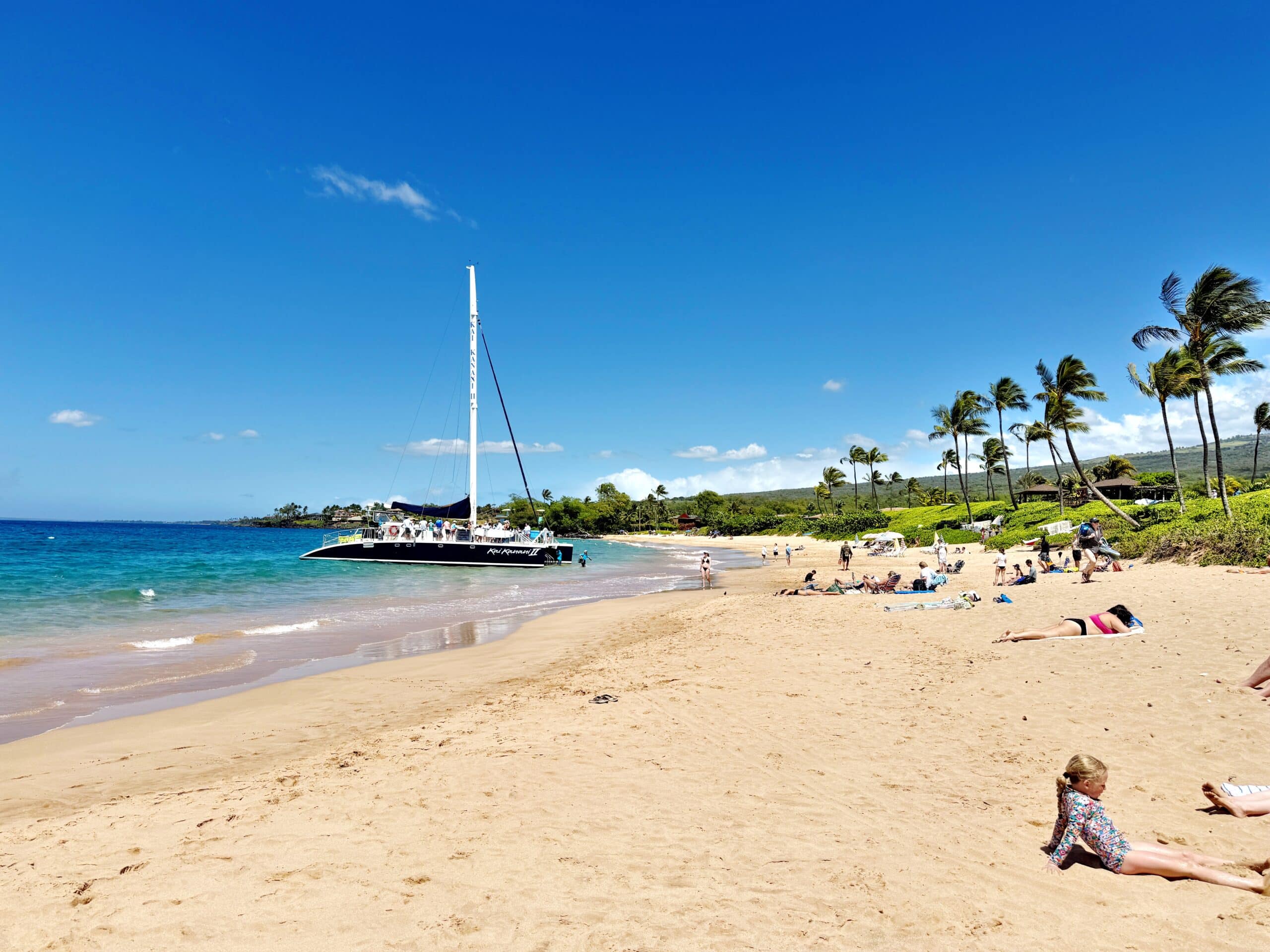
Your Ultimate Maui Travel Guide for First Timers
Maui hits different when you know where to go. This Maui Travel Guide for First Timers will help you make the most of your visit.
Most first-time visitors land on the island with a Pinterest board, a rental car, and a packed itinerary… then spend the next week stuck in traffic on the Road to Hana, overpaying for mediocre resort food, or wondering why the “must-see” beach feels like a crowded parking lot with sand.
The truth is, Maui rewards the prepared.
The beaches that actually take your breath away are not usually the ones with 200 parking spots. The meals you remember for years are rarely at the resort buffet. And the trips people fall in love with are the ones where they understand how the island works before they arrive.
After 20 years of visiting Maui, we have made just about every mistake possible: overpacking itineraries, choosing the wrong side of the island to stay on, underestimating drive times, and booking activities that looked better on Instagram than they felt in real life.
This guide is everything I wish someone had told me before my first trip.
This guide is for first-time Maui visitors who want a mix of beaches, food, snorkeling, adventure, and downtime. It is not for people trying to sprint through every attraction in 4 days.
Affiliate Disclaimer: Some links on this blog are affiliate links. This means that, at no additional cost, the author may earn a small commission if you purchase through these links. As an Amazon Associate, I earn from qualifying purchases.
Inside, I’ll walk you through:
- The best areas to stay based on your travel style
- Which beaches and snorkeling spots are actually worth your time
- How to avoid the biggest first-timer mistakes
- Whether the Road to Hana is truly worth it
- What to prioritize (and what to skip)
- Where to eat beyond overpriced resort restaurants
- What to pack, reserve early, and plan ahead for
This is not a generic island overview written by someone who spent four days at a resort.
This is the practical Maui travel guide for first-timers who want their trip to feel unforgettable instead of overwhelming.
Parts of West Maui are still recovering and rebuilding following the 2023 fires, so always check current local guidance and travel respectfully. I have included only places that are open since the fires, to the best of my abilities.

Before You Book Your Maui Trip
There are a few things first-time visitors usually do not realize about Maui until they are already there, and by then, it is expensive, stressful, or impossible to fix.
Here is what I wish I knew before booking my first trip.
You Absolutely Need a Rental Car
Maui is not a walkable island unless you plan to stay at a single resort the entire time.
The best beaches, snorkeling spots, hikes, food, and scenic drives are spread all over the island. Uber exists, but relying on it gets expensive fast, and availability can be inconsistent outside the resort zones.
Do not cheap out on your rental car either.
Maui has steep roads, rough pavement in some areas, tight parking lots, and long driving days. We learned quickly that having a comfortable, reliable car changes the entire trip. A Jeep is fun, but honestly, any midsize SUV with decent clearance and trunk space works well.
Book early. Prices spike hard during whale season and holidays.
Decide What Kind of Maui Trip You Want
This is the biggest mistake first-timers make.
People try to do a luxury resort Maui, an adventure Maui, a foodie Maui, a beach Maui, and the Road to Hana Maui all in one trip… then spend the whole vacation exhausted.
Maui gets dramatically better when you choose a lane.
If you want relaxation:
Stay in Wailea or Ka’anapali and prioritize beaches, sunsets, spas, and dinners.
If you want adventure:
Stay near Paia or split your trip between South Maui and Hana-side adventures.
If you want family-friendly convenience:
Kihei is one of the easiest and most practical bases for a home on the island.
Trying to do everything usually means spending half your trip in the car.
Maui Is Bigger Than People Think
Drive times here are deceptive.
A “quick stop” can easily turn into an hour drive with traffic, winding roads, or beach parking chaos. West Maui to Wailea can feel much longer than it looks on a map, especially during peak hours.
Build your days geographically:
- South Maui beach day
- West Maui snorkeling day
- Upcountry day
- Road to Hana day
Your trip becomes far less stressful when you stop crisscrossing the island constantly.
Reservations Matter More Than You Expect
Maui is no longer a last-minute destination.
Some of the best experiences require advance planning:
- Haleakala sunrise reservations
- Waiʻānapanapa black sand beach reservations
- Mama’s Fish House
- Popular luaus
- Whale watching tours during peak season
I usually recommend booking major activities at least a month out — longer for winter travel.
You Do Not Need to Overbook Activities
Some of our best Maui days involved almost no plans.
Morning snorkeling. Lunch from a food truck. Watching whales from the beach. Sunset shave ice. Done.
First-time visitors often schedule every hour because they fear missing something. But Maui is at its best when you leave room for spontaneous stops, slow mornings, and beach afternoons that accidentally last until sunset.
The island rewards people who slow down.
Grocery Stores Will Save You a Fortune
Even if you love restaurants, stock up on basics early.
Costco near the airport is chaos, but worth it if you have a condo or large family. Foodland, Safeway, and local markets are great for poke, fruit, snacks, drinks, and beach lunches.
A cooler full of sandwiches, drinks, and pineapple saves you from spending resort prices every single day.
We almost always stop for groceries before checking into our hotel or condo.
A surprisingly good Maui budget hack: check Costco’s gift card section before your trip. They occasionally sell discounted certificates for popular restaurants and activities, including Teralani Sailing tours. Availability changes constantly, but it is worth checking if you already have excursions planned.
How Long Should You Stay in Maui?
For first timers, I think 7–10 days is ideal.
Less than 5 days feels rushed once you factor in travel, jet lag, beach days, and driving. Maui is not a destination that rewards speed-running attractions.
If you only have 5–6 days:
Skip trying to do every major activity and focus on fewer experiences done well.
You will enjoy the island far more that way.
Respect the Island
Maui is not just a vacation destination. It is home to real people and a deeply important cultural place.
Be respectful:
- Do not trespass for photos
- Stay on marked trails
- Avoid dangerous ocean conditions
- Support local businesses
- Tip generously
- Leave beaches cleaner than you found them
The people who love Maui most tend to treat it with care.

Easy Maui Itinerary Ideas for First Timers
One of the fastest ways to ruin a Maui trip is trying to do too much.
First-time visitors often build itineraries that look efficient on paper but end up becoming exhausting in real life. Maui is bigger than people expect, driving takes longer than you think, and constantly hopping between activities kills the relaxed island feeling that makes Maui special in the first place.
The best Maui trips balance adventure days with slower beach days.
Here’s how I would structure a first-timer Maui itinerary.
If You Have 5 Days in Maui
This is enough time to experience the highlights without feeling completely rushed.
Day 1: Arrival & Hotel Area
Keep your first day easy.
- Pick up groceries
- Check into your hotel or condo
- Relax at the beach
- Casual sunset dinner
Do not plan major activities after a long flight.
Day 2: Snorkeling + Beach Day
Spend the day in South or West Maui.
- Maluaka Beach
- Kapalua Bay
- Airport Beach
Keep the schedule flexible and enjoy the ocean.
Day 3: Road to Hana
Leave before 7 a.m.
Prioritize:
- Twin Falls
- Waiʻānapanapa State Park
- Pipiwai Trail
Do not try to stop everywhere.
Day 4: Haleakala or Whale Watching
Pick one major excursion day.
- Sunrise or hiking at Haleakala
- Whale watching (winter)
- Surf lessons
- Ziplining
Then recover with a slower evening.
Day 5: Relax + Last Favorites
Use your final day to revisit your favorite beach, grab shave ice, shop, or squeeze in one final snorkel session before flying home.
If You Have 7–10 Days in Maui
This is the sweet spot for first-time visitors.
With more time, Maui becomes dramatically more relaxing because you stop trying to cram everything into every day.
A balanced 7–10 day trip usually looks like:
- 2–3 beach/snorkeling days
- 1 Road to Hana day
- 1 Haleakala or Upcountry day
- 1 whale watching or activity day
- several slower mornings and sunset dinners
This is also where split stays can make sense.
For example:
- 5 nights in Wailea or Kihei
- 2 nights near Hana or the North Shore
This cuts down on long driving days and lets you experience different sides of the island.
Do Not Plan Every Hour
This matters more in Maui than almost anywhere else.
Some of our favorite Maui memories happened when plans fell apart:
- Stopping at a random fruit stand
- Finding a nearly empty beach
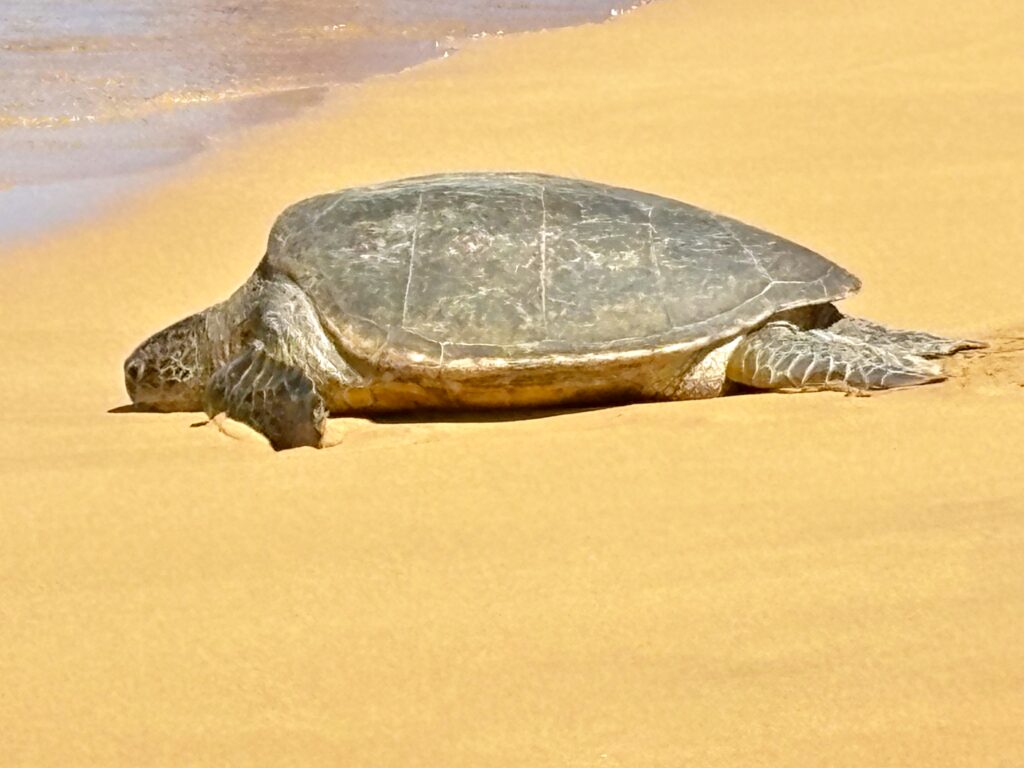
- Watching sea turtles for an hour
- Grabbing poke and eating it in a parking lot overlooking the ocean
Leave room for that.
You do not need to “maximize” Maui to enjoy it.
You just need enough structure to avoid wasting time — and enough flexibility to let the island surprise you.
When to Visit Maui
Timing your Maui trip is not just about saving money. It is about avoiding the wrong crowds at the wrong time.
April through May and September through mid-December are the sweet spots. Lower hotel rates, fewer families on school breaks, and better availability at top restaurants and activities. The weather stays consistent year-round, so you are not sacrificing sunshine.
Winter brings humpback whales, which are worth every crowd. But it also brings peak pricing and busier beaches.
Summer is family season. Crowds at every popular spot and inflated costs across the board.
Shoulder season gives you breathing room. You will actually enjoy the sunrise at Haleakala without having to battle for a parking reservation. Snorkeling at Molokini feels less like a floating zoo. Dinner reservations open up. The island still delivers everything Maui is known for, without the friction that kills the vibe.
If you have flexibility, book outside of major holidays and school breaks. If you are locked into summer or winter, commit to early mornings and weekday plans to dodge the heaviest traffic.
I prefer whale season. We try to avoid school breaks and holidays whenever possible.
Best Time for Whale Watching
If whale watching is high on your Maui bucket list, aim for February.
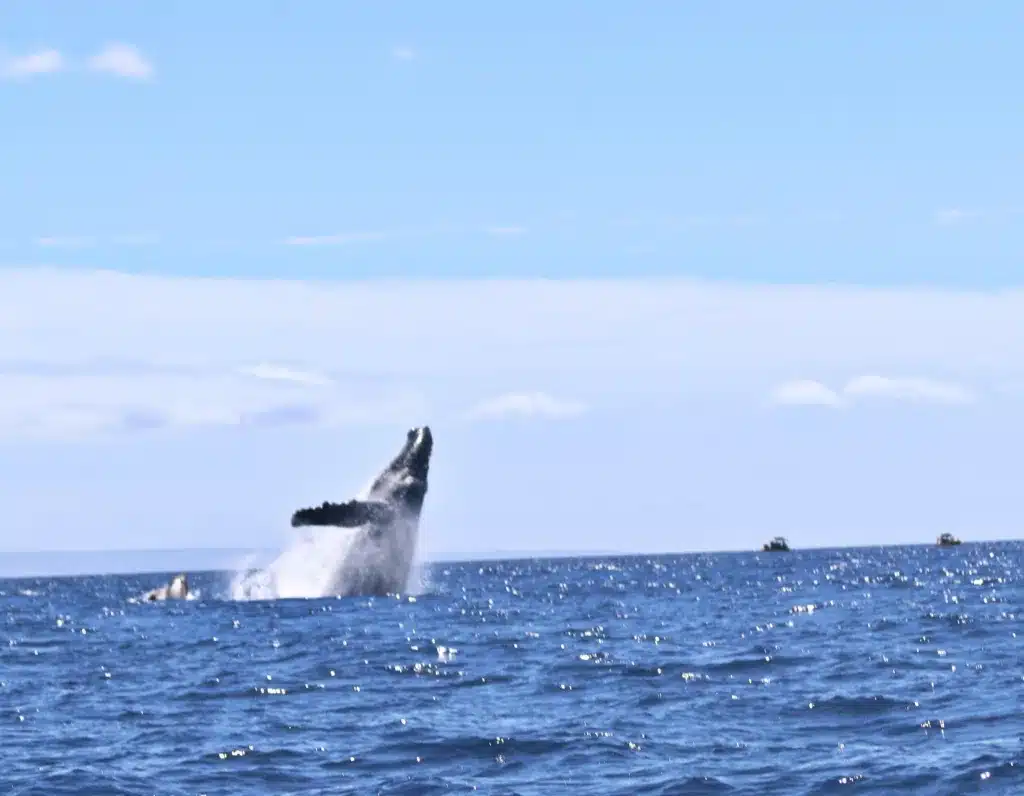
Whale season technically runs from December through April, but February is usually peak activity. This is when humpback whales are everywhere, and you are far more likely to see babies learning the skills they need for the long migration back to Alaska.
You will see calves practicing breaching, tail slapping, and surfacing alongside their mothers. It is one of the coolest things I have ever witnessed in Hawaii.
The downside: everyone else knows February is incredible, too.
Expect:
- Higher hotel prices
- Busier beaches
- More crowded tours
- Restaurant reservations booking earlier
The tradeoff is worth it if whales matter to you.
One of my favorite parts about whale season is that you do not even need a boat tour to enjoy it. During peak season, we regularly spot whales from the beach at Ka’anapali and along the west side while eating breakfast or snorkeling.
Best Time for Lower Prices
Shoulder season is usually your best bet for saving money in Maui.
The sweet spots tend to be:
- Late April through early June
- September through mid-December
Flights are often cheaper, restaurants are easier to book, and the island feels noticeably less hectic.
That said, Maui pricing is no longer as predictable as it used to be.
A lot of resorts now recognize that fall shoulder season has become extremely popular, so you will still see elevated hotel prices in places like Wailea and Ka’anapali during parts of September and October.
You can still save money compared to peak whale season or summer, but do not expect “cheap Hawaii.”
We usually find the best balance of pricing, weather, and sanity during late spring.
Best Time for Fewer Crowds
Shoulder season wins again.
The biggest difference is not just fewer people; it is how much easier everything feels.
Traffic is much less
Beach parking becomes manageable.
Restaurant reservations open up.
Snorkeling spots feel calmer.
Road to Hana stops are less chaotic.
Even grocery stores feel less overwhelming.
Maui is one of those destinations where crowd levels dramatically affect the experience.
A packed beach in Maui feels completely different than a quiet one.
If you have flexibility, avoid:
- Christmas/New Year’s
- President’s Week
- Spring break
- Major summer holidays
The island becomes significantly more enjoyable once you remove the constant competition for parking spots, reservations, and beach space.
Is Summer in Maui Worth It?
Yes — especially if summer is the only time your schedule allows.
I never want people to think summer is a “bad” time to visit Maui. The island is beautiful year-round. Plus, the weather on Maui is fairly consistent, so you don’t have to worry about high temperatures that some other tropical options have.
But summer is busy. Honestly, it can feel even more crowded than whale season because families are traveling during school break.
If you visit in summer:
- Book accommodations early
- Reserve rental cars well in advance
- Expect crowded beaches and restaurants, and sold-out activities
- Start activities early in the morning whenever possible
The upside is that summer opens up water sports that are prohibited during whale season.
This is the best time for:
- jet skiing
- flyboarding
- certain boating activities
- kite surfing and wind sports
Ocean conditions are also generally calmer in many snorkeling areas during the summer months.
So while summer requires more planning and patience, it can still be an incredible time to visit Maui, especially if you love being active on the water.
Where to Stay Based on What You Want
Your home base shapes your entire trip, and Maui is not a one-size-fits-all island.
Best Area for Luxury Travelers
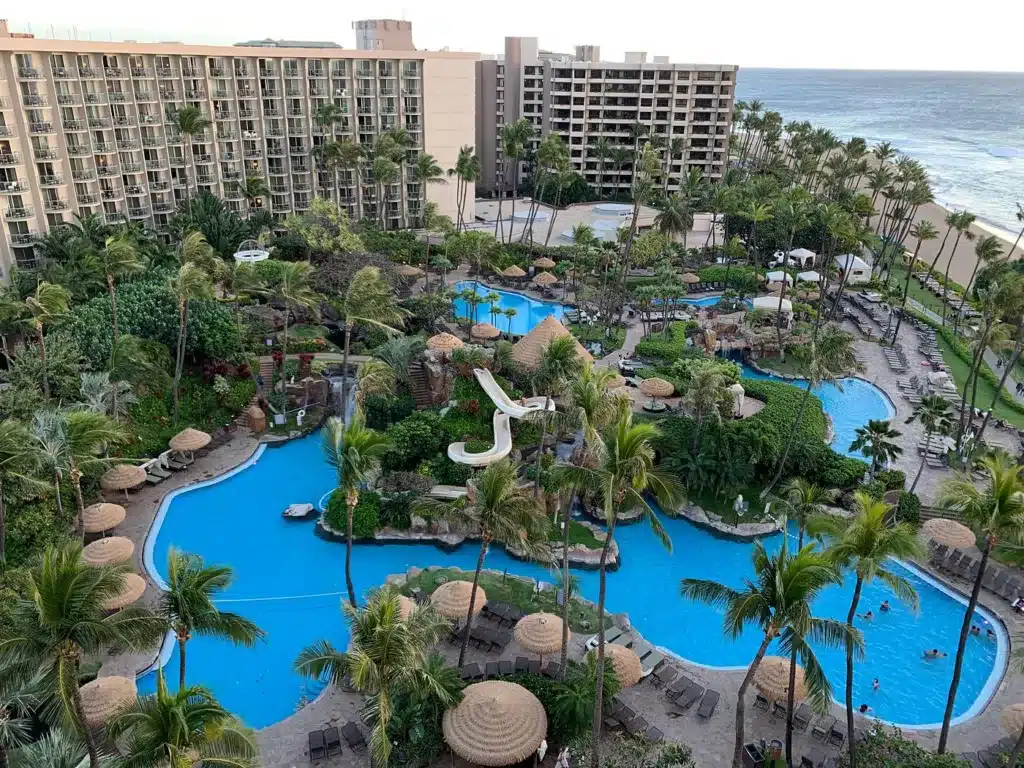
Wailea is where you go for luxury resorts, pristine beaches, and high-end dining. Polished, quiet, and built for relaxation. If your idea of vacation is an oceanfront suite, poolside service, and easy access to golf and spas, this is your zone. The downside: everything costs more, and you are farther from the raw, adventurous side of the island.
Best Area for Budget Travelers
Kihei sits just north of Wailea and offers a more budget-friendly vibe with condo rentals, local food trucks, and solid beach access. Central, casual, and practical. You will save money here and still be close to snorkeling, shopping, and the best South Maui beaches.
Best Area for Families
Lahaina and Ka’anapali on the west side give you walkable towns, sunset views, and proximity to some of the island’s best beaches. Ka’anapali has a lively restaurant scene, often with ocean views. Resort-heavy with gorgeous water and family-friendly energy. The west side runs hot and dry, but the sunsets are unmatched.
This is the easiest area for families who want restaurants, beaches, and activities without having to drive long distances. This is my preferred area to stay.
Best Area for Adventure Travelers
Paia and the North Shore are for surfers, artists, and anyone chasing a laid-back coastal energy. The beaches are wild, the towns are quirky, and you are close to the Road to Hana. It rains more here, and the waves can be rough. But the vibe is authentic and unhurried.
Best Non-Beach Escape
Upcountry Maui in areas like Kula and Makawao puts you in cooler temps, rolling green hills, and farm-to-table country. Perfect if you want a break from the beach or prefer mornings that start with coffee on a lanai overlooking the island, rather than sand in your shoes.
Pick your zone based on your priorities.
Should You Split Your Stay in Maui?
For first-timers, usually no.
People see Maui on a map and assume splitting stays between multiple hotels will help them “see more.” Most of the time, it just means packing, unpacking, checking in, checking out, and losing half a day in the process.
If you are staying 5–7 days, pick one home base and settle in.
Kihei is usually the best overall choice for first-time visitors because it’s centrally located, allowing visitors to explore most of the island without constantly feeling stranded on one side.
The exception:
If you are staying 8–10+ days or really want to experience Hana without driving back exhausted, then a split stay can absolutely work.
Something like:
- 6 nights in South or West Maui
- 2 nights near Hana or the North Shore
…gives you a completely different experience of the island.
We have done both styles of trips, and the longer we stay, the more we appreciate slowing down and spending time in different areas.
The Beaches Worth Your Time
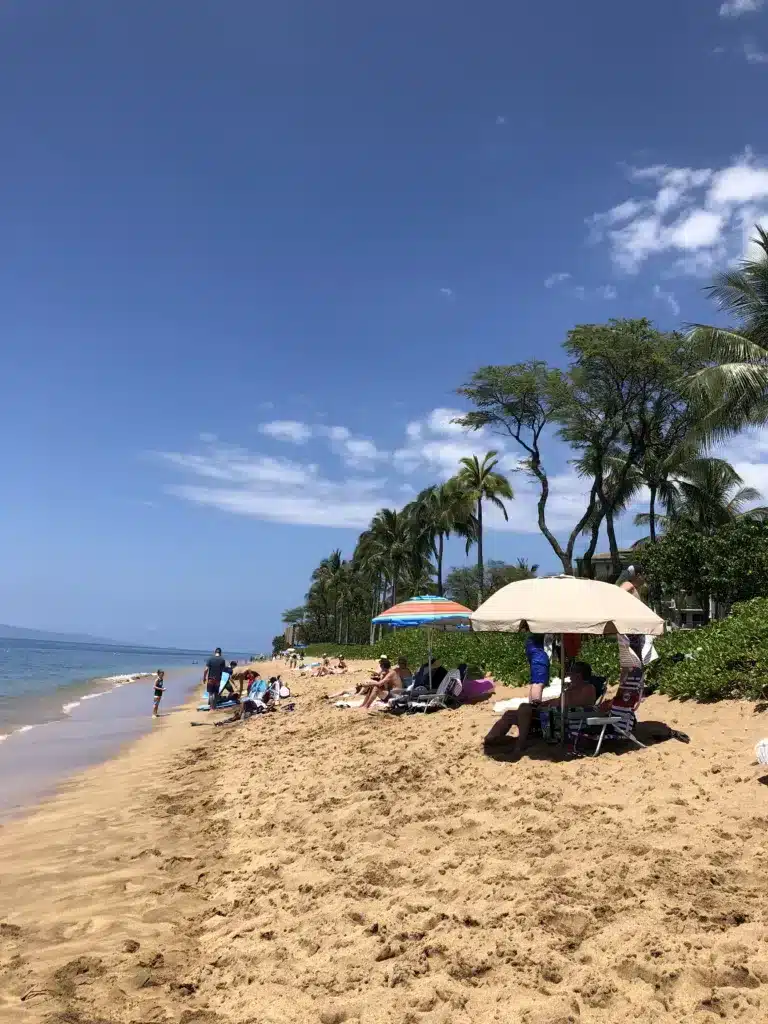
Maui has over 30 miles of beaches, but only a handful are worth your limited vacation time.
Best Family Beach
Polo Beach has decent parking and a nice, safe sandy stretch. A solid choice if you want easy access without the chaos of the more popular spots.
Best Beach for Snorkeling
Maluaka Beach is our favorite South Maui beach for a full day. Great snorkeling, enough space to actually spread out, and a flat entry that works well for kids and snorkelers alike. We keep coming back to this one. One drawback: nothing to eat nearby. Pack lunch and snacks in your cooler before you head out.
Best West Maui Beach
Airport Beach is the beach we frequent most, since we stay at the Westin Villas nearby. Healthy reef, big sandy beach, and one of the better spots for watching whales from shore during the season. We spend whole days out there snorkeling, cooling off, and not moving until we have to.
Best Calm Beach for Kids
Kapalua Bay is a protected cove with calm water, perfect for families and snorkeling. Turtles show up often.
Napili Bay is another sheltered gem with great snorkeling and a quieter, more local feel.
Best Hidden Gem Beach
Hamoa Beach is on the Road to Hana. Dramatic, beautiful. The long drive keeps many casual tourists away, making it feel far less crowded than the most famous Maui beaches.
Bring reef-safe sunscreen, a beach mat, a sunshade, and a cooler. Parking fills up fast at the best beaches, especially on weekends. Arrive before 9 a.m. or accept that you will be hunting for a spot.

Snorkeling Spots That Are Actually Worth It
The underwater world around Maui is one of the main reasons people come here. Do not settle for average.
Best Place to See Turtles
Turtle Town near Maluaka Beach. Green sea turtles hang out here, and you will snorkel right alongside them. The reef is healthy, the water is calm, and it is accessible from shore or by boat. Many Molokini tours include a stop at Turtle Town.
Honolua Bay on the northwest tip is a marine preserve with excellent visibility and coral gardens. Best in summer when the water is calm. Winter swells turn it into a surf spot, so check conditions before you go. No facilities. Pack everything you need and be ready for a short hike down.
Best Snorkeling for Experienced Swimmers
Ahihi-Kinau Natural Area Reserve offers rugged lava rock coastline and pristine snorkeling. Less accessible and requires careful entry over sharp rocks, but the payoff is fewer people and healthier reefs. Not beginner-friendly, but worth it if you are confident in the water.
Best Beginner Snorkeling Spot
If you have never snorkeled before, start at Kapalua Bay.
The water is usually calmer, entry is easy, and the protected cove makes it far less intimidating than some of Maui’s more exposed beaches. Visibility can be excellent in the mornings, and turtles show up often enough that beginners still get that “Hawaii snorkeling moment” they came for.
Go early.
By late morning, parking becomes a mess, and the beach fills up quickly.
I also strongly recommend practicing with your snorkel gear before swimming far from shore. First-time snorkelers waste so much energy fighting a leaking mask or panicking the second water gets into the snorkel.
A good mask changes everything.
Molokini Crater is the famous one, a crescent-shaped volcanic crater three miles offshore with clear water and abundant marine life. Most travel guides tell you to book it without question. I will tell you the truth: it is crowded with inexperienced snorkelers, and the big boats turn it into a cattle call. If you go, choose a smaller tour company and book the earliest departure. Or skip it entirely and spend that morning at Honolua Bay instead.
Rent or bring your own gear. Resort rental sets are usually a waste. A good mask that does not leak changes everything. Skip full-face masks; they can be dangerous in open water.
Is Molokini Crater Worth It?
Honestly? For some people, yes. For us, not anymore.
Molokini is beautiful. The water visibility can be incredible, and if it is your first time snorkeling in Hawaii, seeing fish in that kind of clear water feels unreal.
But the experience itself has changed a lot over the years.
The larger tours often feel overcrowded, rushed, and packed with inexperienced snorkelers. By the time multiple boats arrive, it can start to feel less like a nature experience and more like organized chaos at sea.
If you really want to do Molokini:
- Choose a smaller tour company
- Book the earliest possible departure
- Avoid giant catamaran-style tours
Personally, we now prefer shore snorkeling at places like Honolua Bay or Maluaka Beach. Less time on boats, fewer crowds, and honestly, better overall experiences.
The Road to Hana Is Not What You Think
Everyone talks about the Road to Hana as if it were a non-negotiable bucket-list item. Most people do it wrong and regret it.
What People Get Wrong About the Road to Hana
The drive is 64 miles of narrow, winding road with over 600 curves and 50 one-lane bridges. Beautiful, but long, exhausting, and overhyped if you treat it like a race to a destination. Hana itself is a tiny town with limited food options and not much to do. The magic is in the stops along the way, and most tourists either skip them or hit the same five overcrowded spots as everyone else.
Start before 7 a.m. Non-negotiable. Leave any later, and you will spend half the day stuck behind rental cars going 10 mph. Early starts give you empty waterfalls, open parking, and a completely different experience.
Best Stops on the Road to Hana
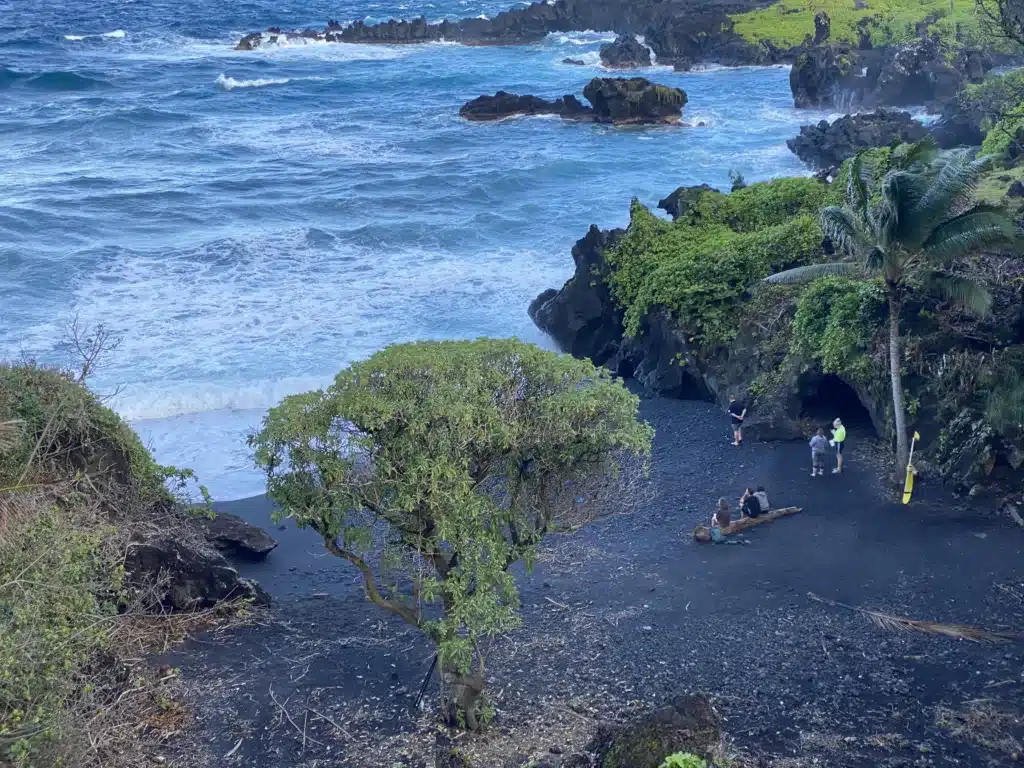
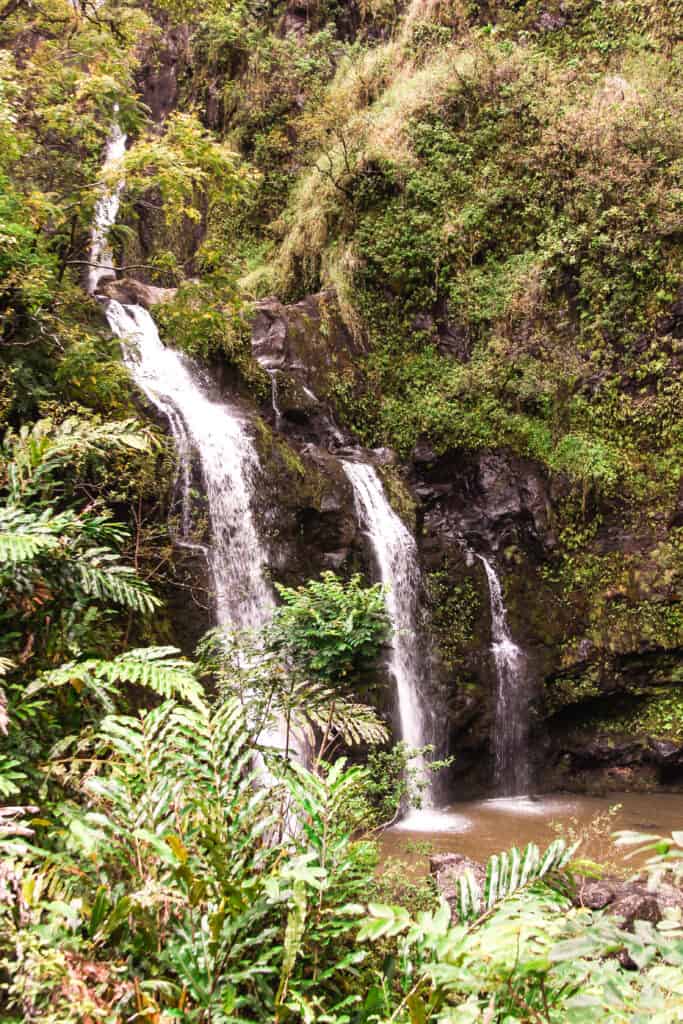
The right stops: Twin Falls early before the crowds. Wailua Falls, easy access, and worth the photo. The Garden of Eden is beautiful but charges admission. Wai’anapanapa State Park has black-sand beaches and lava tubes, but requires advance reservations and fills up quickly. The Pipiwai Trail through bamboo groves to a waterfall is one of the best hikes on the island. Budget for the park entry fee.
What to Pack for the Drive
Pack snacks, water, and a full tank of gas. Cell service is spotty. Bathrooms are limited. Bring cash. Wear shoes you can hike in.
If the idea of driving all day does not excite you, skip it. Maui offers plenty of experiences that do not involve car sickness or traffic.
Is the Road to Hana Worth It?
Yes — if you enjoy the journey more than the destination.
No — if you hate long drives, motion sickness, or spending an entire day in the car.
This is the part most travel guides skip.
The Road to Hana is not a relaxing scenic drive. It is a long, winding, mentally exhausting day with narrow roads, unpredictable traffic, and hundreds of curves. Some people absolutely love it. Some people finish it wondering why they sacrificed an entire vacation day to sit in a car.
The magic is not Hana itself.
The magic is:
- waterfalls
- jungle scenery
- roadside fruit stands
- black sand beaches
- random ocean pull-offs
- slowing down enough to enjoy the drive
If that sounds fun to you, do it.
If not, skip the guilt and spend the day snorkeling instead.

Haleakala: Two Completely Different Experiences
Most people think of Haleakala only for sunrise, but the park offers two distinct zones.
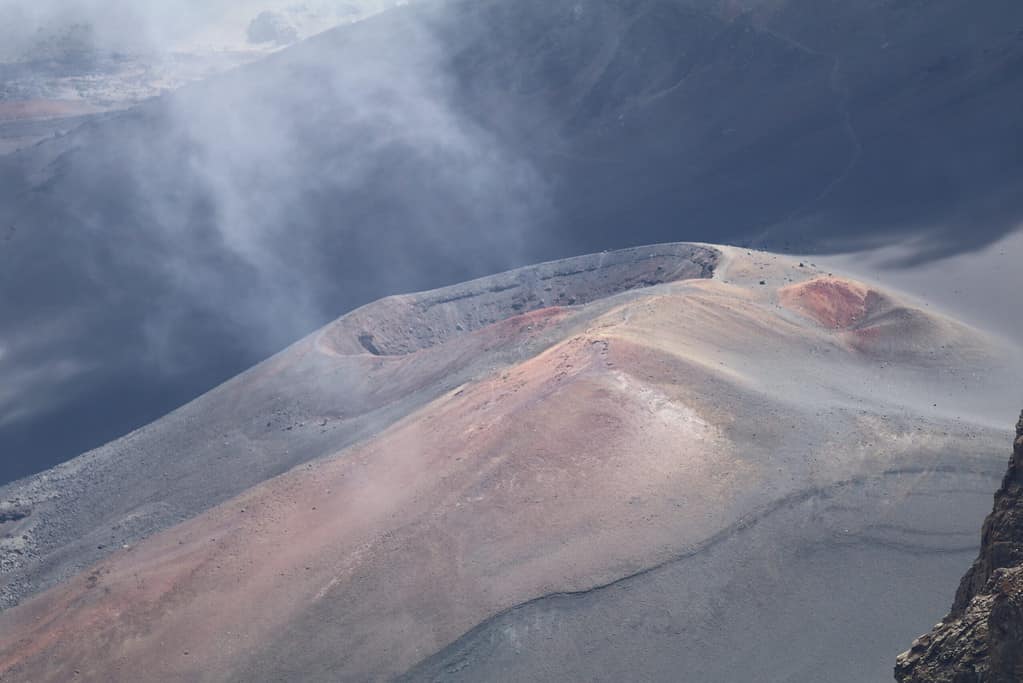
The Summit sits at over 10,000 feet and delivers one of the most famous sunrise views on earth. Watching the sun break over the volcanic crater while standing above the clouds is legitimately breathtaking. It requires an advance reservation, a 3 a.m. wake-up, and a freezing cold drive up a mountain in the dark. Temperatures at the summit can drop into the 30s even when it is 80 degrees at the beach. Bring layers, blankets, and hot coffee.
Reservations for sunrise book out weeks in advance. If you miss that window, you can visit the summit later in the day without a reservation. The views are just as stunning, and you can hike the Sliding Sands Trail into the crater without fighting crowds. At the top, it feels like another planet.
The Kipahulu District is on the opposite side of the park, accessed from the Road to Hana. This is where you find the Pools of Oheo, bamboo forests, and the Pipiwai Trail. The hike to Waimoku Falls is four miles round-trip through dense jungle and towering bamboo. One of the best hikes on the island.
You can visit both sections in one day if you are ambitious, but it is a lot of driving and early mornings. Most people pick one.
Visiting Haleakala Without Sunrise Reservations
This is one of the biggest Maui travel hacks.
Everyone obsesses over sunrise at Haleakala, but honestly, visiting later in the morning or near sunset can be just as incredible and dramatically less stressful.
No 2:30 a.m. alarm.
No freezing parking lot crowds.
No fighting for reservations months in advance.
The crater still looks like another planet during the day, and the Sliding Sands Trail is one of the most surreal hikes on the island.
We actually enjoy daytime Haleakala more now because it feels calmer and less performative than the sunrise rush.
Bring layers no matter when you go. People massively underestimate how cold it gets up there.
Haleakala Sunrise Tips
If you decide to do sunrise at Haleakala, treat it like a major excursion day — not a casual morning activity.
Your alarm will probably go off around 2:30 or 3:00 a.m., depending on where you are staying, and you will be driving up a dark mountain in freezing temperatures while questioning your life choices.
Then the sun comes up above the clouds, and suddenly you understand why people do it.
A few things first timers should know:
- Sunrise reservations are required and sell out fast
- Temperatures at the summit can drop into the 30s
- Bring layers, blankets, and hot coffee
- Leave earlier than you think you need to
- Altitude can affect people differently, especially kids
We have seen people show up in beach clothes, absolutely miserable, because they assumed “Hawaii” meant warm everywhere.
It does not.
Also: manage your expectations around crowds. Sunrise is beautiful, but it won’t feel like a peaceful, solo, spiritual experience unless you get very lucky. There will likely be a lot of people, headlights, and phones out.
Personally, I think the real magic happens once the sun is fully up and you can actually see the crater landscape around you.
Best Haleakala Hikes
The Sliding Sands Trail is the hike I would recommend most for first timers.
The trail drops directly into the crater and feels completely surreal, almost like hiking on another planet. Red volcanic rock, massive open landscapes, silence, and clouds moving you below.
You do not need to complete the entire trail to enjoy it.
Even hiking 1–2 miles gives you the experience without turning it into an all-day endurance event. The hardest part is actually the climb back up because of the elevation.
Bring:
- way more water than you think you need
- layers
- sunscreen
- good hiking shoes
The sun exposure up there is intense even when temperatures feel cool.
If you want something greener and more tropical, the Pipiwai Trail in the Kipahulu section of Haleakala National Park is completely different and equally worth doing.
That trail takes you through:
- dense bamboo forest
- giant banyan trees
- jungle scenery
- waterfalls
The final payoff is Waimoku Falls, which is genuinely stunning after heavy rain.
If you only do one Maui hike, honestly, Pipiwai is probably the most memorable overall experience for most people.
Is Haleakala Worth It for First Timers?
Yes — absolutely.
But if you are visiting Maui for the first time and only have 5 full days or less, I would personally choose either Haleakala or the Road to Hana, not both.
This is where a lot of first timers accidentally overload their itinerary.
Both experiences involve:
- lots of driving
- very early mornings
- full-day energy commitments
Trying to cram both into a shorter trip often means spending a large portion of your vacation in the car, rather than actually enjoying Maui.
There is so much more to the island than checking famous attractions off a list.
Some of our favorite Maui memories happened during slower days:
- snorkeling in the morning
- eating poke on the beach
- spotting whales from shore
- grabbing shave ice at sunset
- spending an entire afternoon at one beach
If you have a longer trip, absolutely do both Haleakala and Hana.
But if your time is limited, pick the experience that sounds more exciting to you personally:
- Volcanic landscapes and hiking
or - Waterfalls and jungle road trips
There is no wrong answer.
Food Worth Leaving Your Resort For
Maui has some of the best food in Hawaii. Resort restaurants are convenient and overpriced. The real places are worth finding.
Best Places to Eat in Maui
Leoda’s Kitchen and Pie Shop in Olowalu serves the best pies on the island. The banana cream pie is not optional.
Star Noodle in Lahaina does elevated Asian-fusion small plates. The pork belly buns and garlic noodles are must-orders. Make a reservation or be ready to wait.
Monkeypod Kitchen in Wailea and Ka’anapali has killer fish tacos, mai tais, and a lively bar scene. Chef-driven but approachable, and fair prices for the quality.
Best Casual Food
Tin Roof in Kahului is a no-frills spot serving massive plate lunches. The mochiko chicken is legendary. Expect a line, but it moves fast.
Best Fancy Dinner
Mama’s Fish House is the best restaurant I have ever been to, and I have been to a lot of them. Make sure someone orders the fish with crab and lobster with macadamia nut crust. Share the mac nut crab cakes and Haleakala Beef for appetizers. Every crudo is excellent. This place is worth the expense and the hype. Make a reservation well in advance.
Best Fish Tacos
Paia Fish Market is the move for fresh fish and fish tacos. The original location in Paia is our go-to. Try the Obama off the special menu. The shrimp tacos are also excellent.
Best Shave Ice
Ululani’s Hawaiian Shave Ice is the best on the island. Do not leave Maui without trying it. Get the sunset flavors with ice cream on the bottom and a snowcap. Just go.
Best Breakfast
Papi’s Ohana serves the best cinnamon rolls I have ever had. Go early, expect a line. Worth every minute.
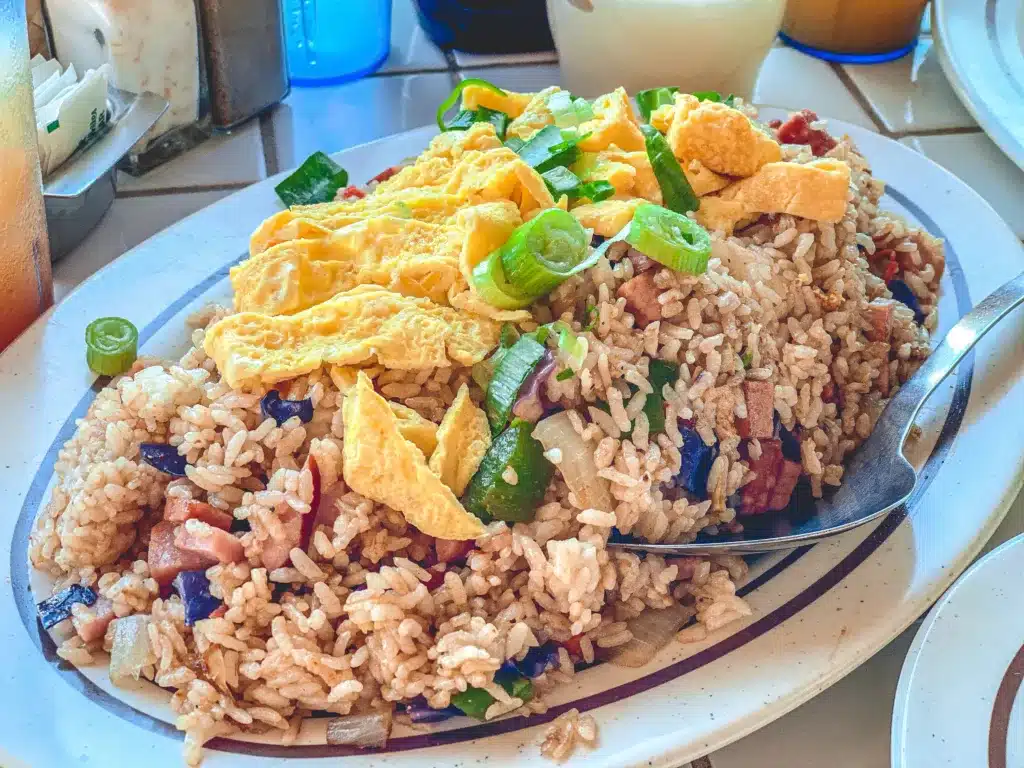
The Gazebo in Napili serves the best macadamia-nut banana pancakes in Hawaii. Do not skip the fried rice either.
Best Value
Farmers’ markets in Napili, Kihei, and Upcountry offer local produce, fresh poke, and prepared foods at a fraction of restaurant prices. Stock your condo and save money while eating better.

Activities Actually Worth the Money
Whale watching from December through April is unreal. Humpback whales migrate to Maui’s warm waters to breed and give birth. You will see them breaching, tail slapping, and surfacing close enough to feel real. Book a smaller boat tour with a naturalist guide.
My recommendation after 20 years of visits: Hawaii Ocean Rafting. Eco-raft tours, excellent staff, and close to the water. We have been using them since we started coming here.
Good news: some of the best whale watching happens from shore at Ka’anapali Beach, Papawai Point, and McGregor Point. Free.
Surfing lessons in Kihei or Lahaina are beginner-friendly. Most instructors have you standing within the first hour. Fun, affordable, and a skill you can take anywhere. We have used Keep It Simple Hawaii and recommend them.
Ziplining in Upcountry offers some of the best views on the island. Multiple companies run courses through eucalyptus forests and over valleys. If you want adventure away from the ocean, this is it.
Helicopter tours are expensive and show you waterfalls, valleys, and coastline you cannot access any other way. The views are cinematic. Personally, I do not book them because weather conditions can change quickly, but I understand why people do.
Luaus: Old Lahaina Luau is the most authentic. It feels cultural, not touristy, and the food is real. If you are going to do a luau, do this one. Skip the resort luaus: expensive, watered-down drinks, mediocre food. Check it off your list once. An alternative worth considering is the South Maui Garden on Thursdays, food trucks plus a show for a fraction of the price.
Skip the overpriced submarine tours and glass-bottom boats. Snorkeling gives you a better experience at a fraction of the cost.

Activities I Would Skip in Maui
Not every expensive activity in Maui is worth your vacation time.
If I were planning a first trip again, I would skip:
- crowded submarine tours
- generic resort luaus
- big group bus tours of the Road to Hana
- giant snorkeling catamarans, especially to Molokini
Most of them look better in brochures than they do in real life.
Maui is best experienced simply:
- beach mornings
- snorkeling
- whale watching
- slow lunches
- scenic drives
- sunset dinners
The more complicated your itinerary gets, the less Maui-like your trip usually feels.
Some of our favorite days on the island cost almost nothing.
What to Pack Beyond the Obvious
Reef-safe sunscreen. Required by law in Hawaii. Brands like Raw Elements or Blue Lizard work well. Do not show up with your old SPF 30 spray.
Water shoes. Essential for rocky beach entries, lava rock snorkeling spots, and hiking to waterfalls.
A quality cooler. Load it with snacks, drinks, and lunch before beach days. Ice is cheap at grocery stores, and you will avoid overpriced resort snacks all week. Coolers can also be rented for a reasonable price.
Rain jacket or light layers for Upcountry and Haleakala. Temps drop fast at elevation, even when it is blazing at the beach.
Portable phone charger. Your phone will die from photos, GPS, and music on long drives. Download offline maps before you go.
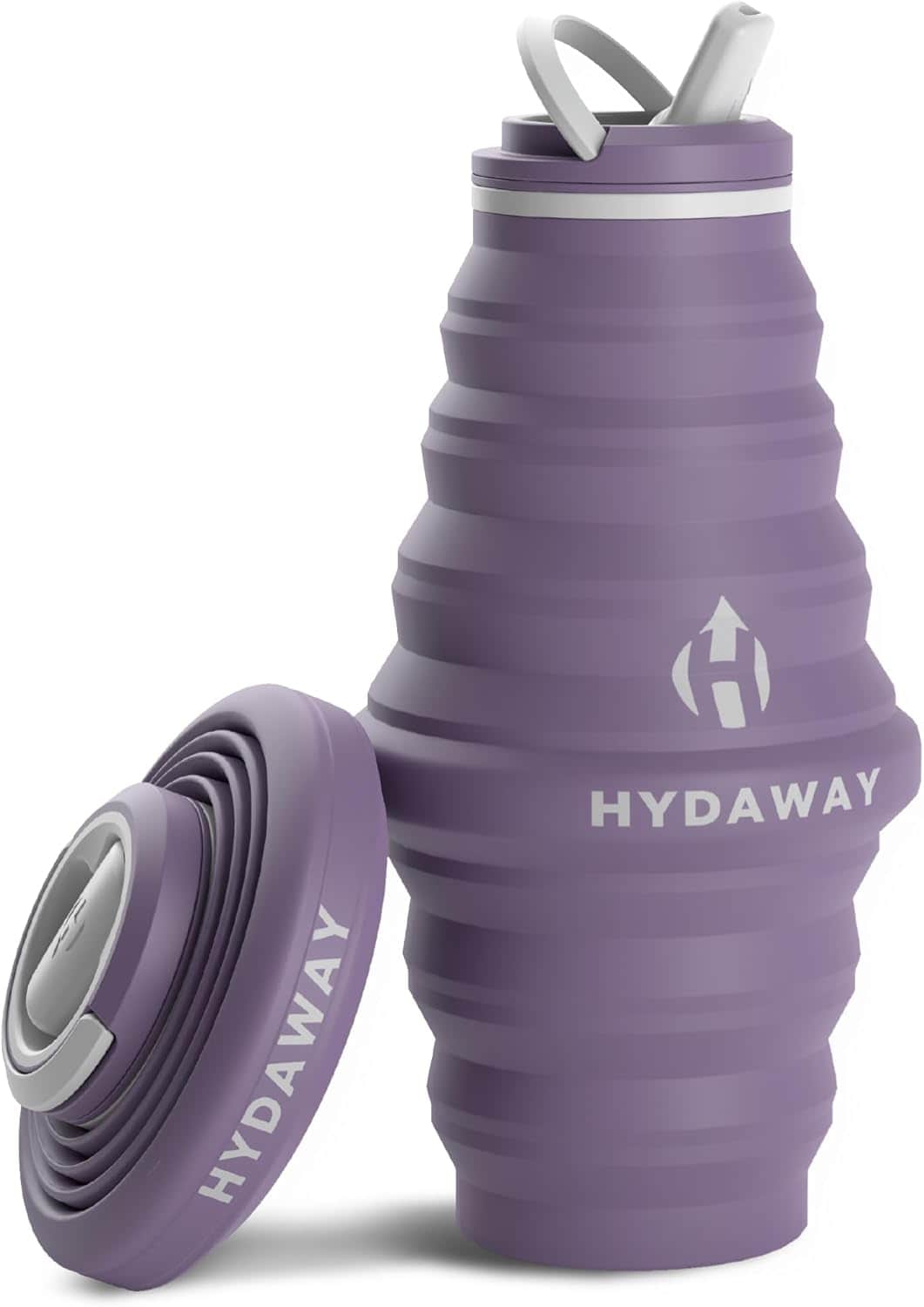
Reusable water bottles. Most resorts have free water refill stations. Bring an insulated bottle and refill it wherever you go.
Snorkel gear if you plan to snorkel more than twice. Buying a decent mask and snorkel set costs the same as two rentals and performs far better.
Beach Essentials
Maui beach days are way more enjoyable when you are prepared for them.
The difference between a quick, stressful beach stop and an all-day “this is why we came to Hawaii” beach day usually comes down to what you packed in the car.
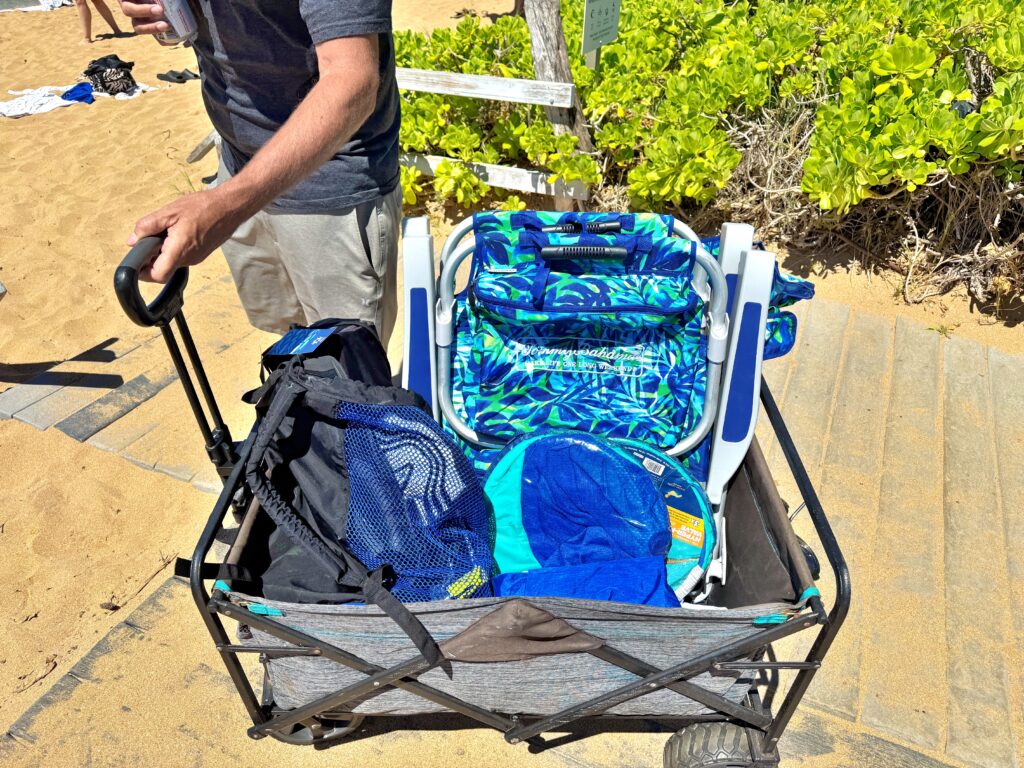
Our beach setup always includes:
- reef-safe sunscreen
- a cooler with drinks and snacks
- beach blanket or a sand-free mat (ABC sells reasonably priced straw mats)
- a portable sun shade or umbrella (recommend renting from Auntie Snorkel)
- reusable water bottles
- flip-flops or sandals; you do not mind getting wet.
- beach chairs (recommend renting from Auntie Snorkel)
If you are traveling with kids, add way more snacks than you think you need.
One thing people underestimate in Maui is how intense the sun feels, especially during midday beach hours. Even on breezy or cloudy days, you can burn incredibly fast.
We also quickly learned that beach hopping sounds better in theory than in reality. Once we find a beach we love for the day, we usually stay there for hours.
A comfortable setup makes a huge difference.
Snorkeling Gear
If you plan to snorkel more than once or twice, bring or buy your own gear.
We wasted so much money on mediocre rental sets during our early Maui trips before finally bringing our masks that actually fit properly.
A leaking mask will ruin your snorkeling experience faster than almost anything else.
My biggest recommendation:
Prioritize a quality mask over everything else.
Cheap masks fog constantly, leak, and make beginners panic unnecessarily. Once you have gear that fits correctly, snorkeling becomes dramatically more enjoyable.
A few things I recommend bringing:
- snorkel mask
- snorkel
- fins if you are comfortable using them
- anti-fog spray
- rash guard or swim shirt for sun protection
Skip full-face snorkel masks. They can be dangerous in open water, and many tour operators no longer allow them.
If you are traveling with kids, practice using the snorkel in a pool before the trip if possible. It helps eliminate a lot of the initial fear and frustration.
Road Trip Essentials
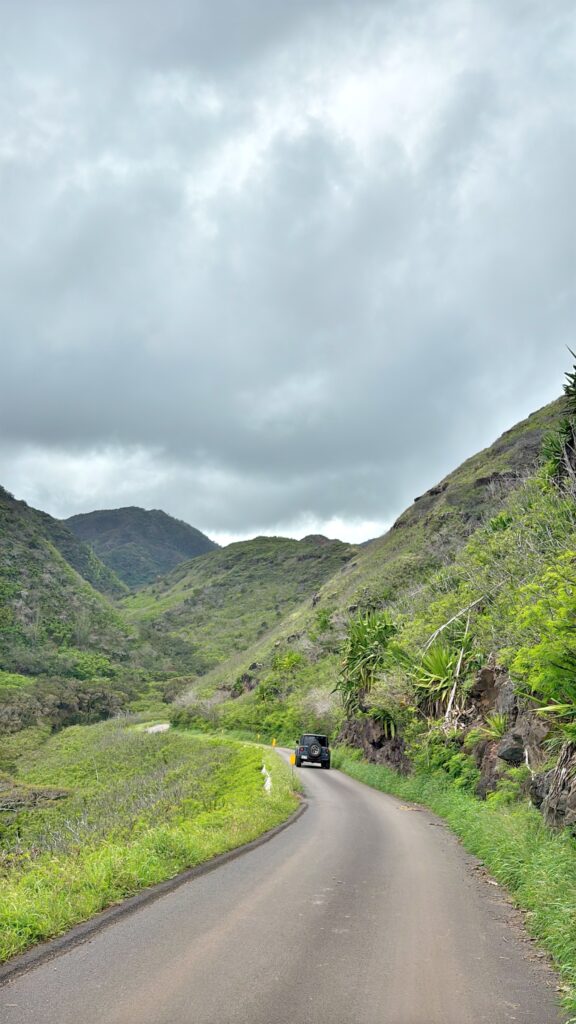
Maui road trips are incredible, but they are also longer, hotter, and more exhausting than many people expect.
Whether you are driving the Road to Hana, heading to Haleakala, or just beach hopping for the day, a few things make the experience significantly better.
Always have on hand:
- downloaded offline maps
- portable phone charger
- water
- snacks
- cash
- towels
- extra dry clothes
- basic first aid items
Cell service gets spotty fast outside major resort areas.
We also always keep a cooler in the car because Maui is one of those places where random roadside fruit stands, poke shops, and bakery stops become part of the experience.
One underrated thing to pack:
motion sickness medication or wristbands.
Even people who normally don’t get carsick can struggle on the Road to Hana with its many curves and elevation changes.
CT Tip: One thing we always recommend: download the Shaka Guide or GuideAlong audio tours before long drives.
What You Do NOT Need to Pack
People massively overpack for Maui.
You really do not need:
- fancy dinner clothes
- heels
- multiple jackets
- tons of makeup
- beach towels from home
- “just in case” outfits for every scenario
Maui is casual almost everywhere.
Even nice restaurants tend to lean resort casual rather than formal. Most days you will probably rotate between swimsuits, sandals, athletic clothes, and comfortable dinner outfits.
I also would not waste suitcase space packing huge amounts of sunscreen, snacks, or bottled water. Buy them after you land.
The one exception:
If you have a favorite reef-safe sunscreen that works well for your skin, absolutely bring it. Not all reef-safe formulas feel great, and some are wildly overpriced at resort shops. Just make sure that it is reef SAFE.
Pack lighter than you think you should.
You will probably spend most of the trip sandy, sunburn avoidance-focused, and wondering why you packed jeans in the first place.
This post gives you the lay of the land. If you want the full day-by-day plan, I have a 10-day Maui itinerary that does the rest of the work for you.

Mistakes That Ruin Maui Trips
Trying to Do Too Much
Overpacking your itinerary. Maui is not a place to hustle through. Trying to snorkel, hike, drive to Hana, catch a sunrise, and hit three beaches in two days burns you out. Build in downtime. Let some days be slow. The island rewards presence.
Waiting Too Long for Reservations
Skipping reservations. Haleakala sunrise, Wai’anapanapa State Park, and top restaurants require advance bookings. Show up without them, and you will miss out or scramble. Plan ahead.
Renting the Cheapest Car
Renting the cheapest car. Maui has rough roads, steep hills, and unpaved sections. A weak rental struggles, overheats, or gets you stuck. Spend a little more for something reliable. Renting a car is not optional here. You need one.
Treating Maui Like a Theme Park
Treating locals like props. Maui is someone’s home. Respect private property, follow posted rules, and do not trespass for a photo. Tip well. Leave places better than you found them. Practice Aloha.
Underestimating the Ocean
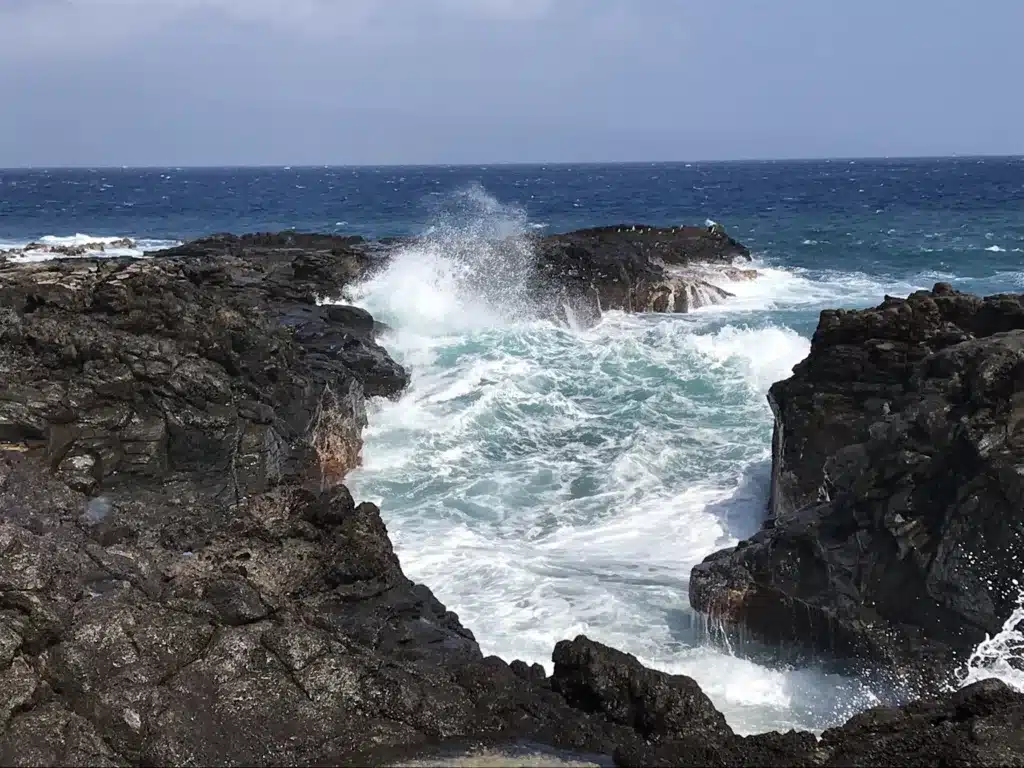
Ignoring ocean conditions. The ocean in Hawaii is powerful and unpredictable. If the waves look big, the water looks rough or brown, or locals are not in the water, stay out. No photo or swim is worth it. I say this every single time: Maui is not Disney. There is no one behind the curtain turning the waterfall off as you are swept into the ocean.
Check surf reports and ask lifeguards before entering unfamiliar beaches. I check the Snorkel Store’s daily report every morning and plan our snorkeling around it.
Overspending on Tourist Traps
Blowing your budget on tourist traps. Do your research, read reviews, and invest in experiences that actually deliver. Prioritize what matters to you specifically.
Maui is one of the most beautiful places I have ever been, and I keep going back. Plan it right, and you will understand why.
It is one of the few places that genuinely lives up to the hype, if you slow down enough to experience it properly.
Go Grab Life. And don’t forget to wear sunscreen.
Happy Exploring!