
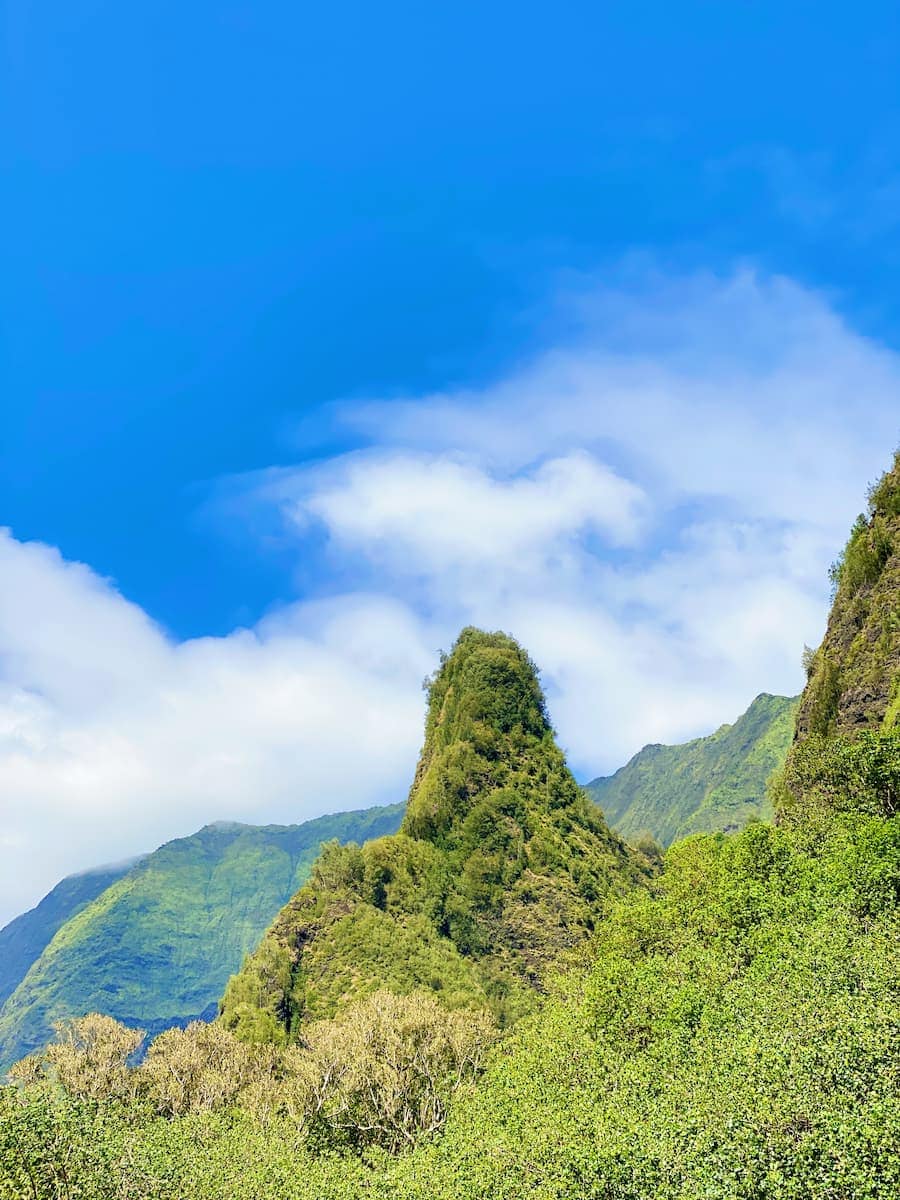
3 Days on Maui for Adventurers: Top Outdoor Experiences
If you love adventure, Maui is an excellent place for you. Whether seeking thrills or exploring beautiful landscapes, Maui offers a perfect playground for adventurers. You can hike to stunning waterfalls, snorkel in clear blue water, and find epic views across the island. With almost two decades of trips here, I’ve explored the best trails, local spots, and outdoor activities Maui offers.
You don’t need to spend much money to enjoy Maui’s natural beauty. Some of the best hikes and beaches are free and easily accessible with a bit of planning. Whether you’re into kayaking, hiking, or relaxing near a volcano, something exciting is waiting for you.
Affiliate Disclaimer: Some links on this blog are affiliate links. This means that, at no additional cost, the author may earn a small commission if you purchase through these links. As an Amazon Associate, I earn from qualifying purchases.
Best Free Things To Do Is Hiking In Maui
Hiking in Maui is a great way to explore the island without spending money. There are trails suitable for all levels and ages, ranging from beginner to more experienced hikers. You only need a GPS device, good shoes, water, and some snacks.
Some popular hikes include Waihee Ridge Trail, Iao Needle, and Twin Falls. These places offer stunning views of waterfalls, lush forests, and breathtaking ocean vistas.
Even on short hikes, you can experience nature up close. Some trails are easy with plenty of shade, while others need more effort. Always check the weather and trail conditions before you go.
Bring sunscreen and bug spray to stay protected from the sun and insects. It’s also smart to start early in the day to avoid crowds and heat.
Some trails may offer parking lots, but they can fill up quickly. You may need to park farther away or wait for a spot to become available. Most hikes are free, unless you need to pay for parking.

Hiking Maui
The Pipiwai Trail, located outside Hana, is great for exploring waterfalls and shady bamboo forests. This moderate hike, which is 4 miles in and out, also includes the famous Waimoku Falls.
Waihee Ridge Trail is for those who love a climb. It can be slippery, so bring sturdy shoes and plenty of water. It is considered a challenging hike and is 5 miles.
The Sliding Sands Trail in Haleakalā National Park leads you into a volcanic crater. The path is long, but you can turn around at any time. Sliding Sands is 11 miles and is considered a difficult hike.
For a shorter walk, try Twin Falls. This hike is easy, 1.8 miles long, and suitable for families who want to swim in the stream. Twin Falls has a parking fee of $10.
Always check the weather and trail conditions before you head out. Bring water, snacks, and sunscreen. Many trails have little shade. Maui’s adventures are more fun when you’re prepared!
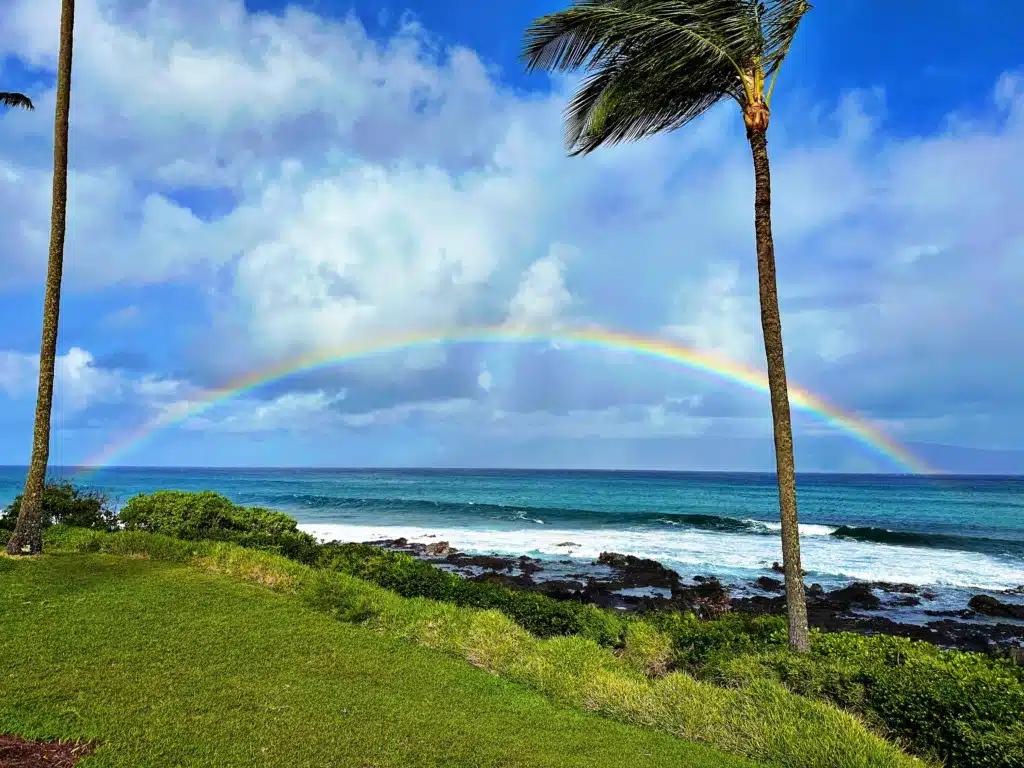
Weather on Maui
Maui has warm weather all year. Daytime temperatures typically range from 75°F to 85°F. Nights are a little cooler, but still comfortable.
Rain is common in some areas, especially along the north and east coasts. The west and south sides are usually drier.
If you are planning outdoor adventures, pack:
- Light clothing
- A rain jacket
- Sunscreen
- A hat and sunglasses
CT Tip: Mornings are often clear, but clouds and showers can move in by the afternoon.
The ocean remains warm, at around 78°F (25°C), for most of the year. This makes it ideal for swimming, surfing, or snorkeling, regardless of when you visit.
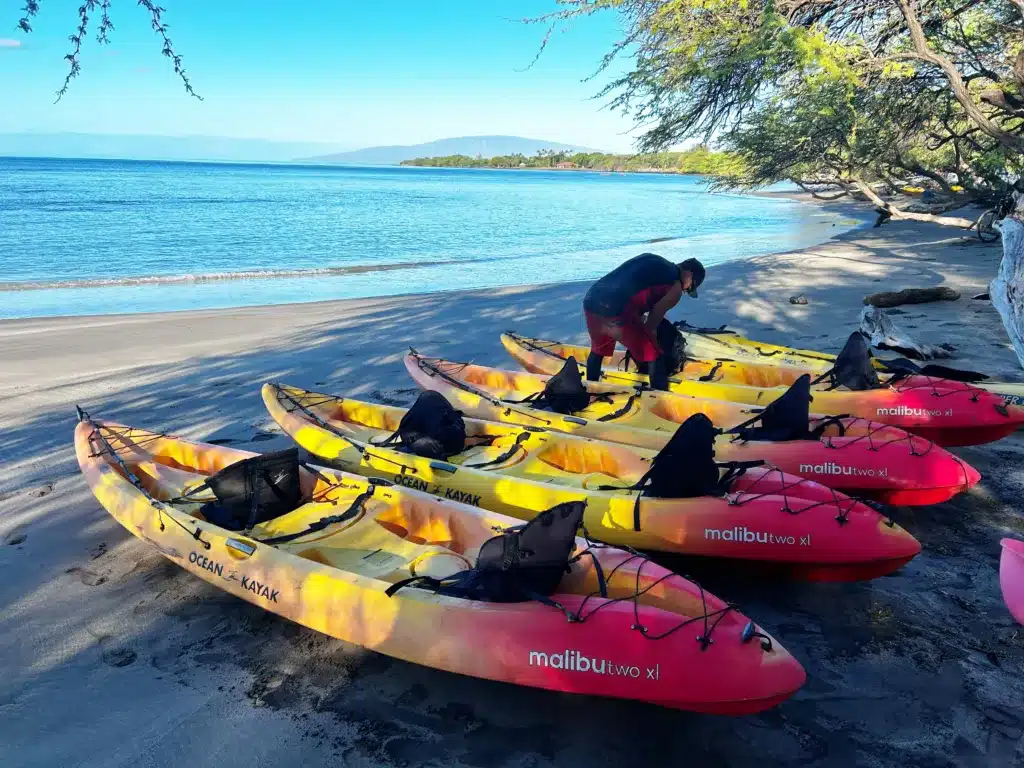
Day 1: Kayaking & Snorkeling
You’ll start your Maui adventure by kayaking along the beautiful coast and snorkeling in clear waters. This is a great way to see colorful fish, unique coral, and even sea turtles.
If Staying On South Maui, Kayaking, and hiking La Perouse Bay (Hoapili Trail)
Begin with a guided kayak tour from Makena Landing. Early mornings are best, as the waves are calm and the sea life is most active. Most tours last about 2–3 hours. You’ll paddle along the lava-rock shoreline and pull up at some of South Maui’s best snorkeling spots.
Popular tour operators offer gear and lessons, so even beginners feel safe. Look for sea turtles, spinner dolphins, and schools of tropical fish beneath the surface. After kayaking, hike on the Hoapili Trail at La Perouse Bay.
This trail is part of an old lava field and a coastal path. Wear sturdy shoes—the rocky ground can be sharp. The views of the ocean and Molokini crater stand out. Along the way, you might spot wild goats and ancient Hawaiian ruins. Bring lots of water and reef-safe sunscreen, as there’s little shade.
If staying on West Maui, Kayaking and Ziplining
Begin with a guided snorkeling and kayak tour at Olowalu.
After kayaking, try the Maui zipline for a change of pace. Several companies in West Maui run safe, family-friendly tours. They include gear and guide support. Popular spots include Kapalua and Kaanapali. You’ll glide above deep valleys, lush forests, and ocean views.
Some courses feature multiple ziplines, with the longest reaching a half-mile. The lines vary in speed, but all offer an exciting experience and provide a bird’s-eye view of Maui’s natural beauty.
Before you zipline, listen to your guides and follow all safety instructions. Closed-toe shoes are required. Some companies set minimum age and weight limits, usually around 8 years old and 60 pounds. Check ahead to fit your group.
Many ziplines offer photo and video opportunities, allowing you to capture your adventure and share it with others. Book your spot early, as tours fill quickly during high season.
Lunch at Paia Fish Market (Kihei) or Coconut’s if in South Maui
Both are close by, and you can’t go wrong with either. My favorite is the Shrimp tacos at Paia Fish Market, and my spouse’s favorite is the Fish Sandwich at Coconuts.
Lunch at Leoda’s if in West Maui
Tucked along Honoapiilani Highway in Olowalu, Leoda’s Kitchen and Pie Shop is a cozy, farmhouse-style café beloved by locals and travelers alike. Stop in for their fresh sandwiches, salads, and house-made banana cream or coconut pies. It’s casual, quick, and perfect for refueling between beach stops or on your drive to Lahaina/Ka’anapali.
Swimming & Sunset
For a picture-perfect evening swim, head to Airport Beach in West Maui for calm waters, golden light, and excellent snorkeling just offshore. If you’re staying in South Maui, Ulua Beach offers gentle waves, soft sand, and one of the island’s most beautiful sunset views, perfect for a peaceful end to your day.
Dinner at Monkeypod Kitchen (Kaʻanapali)
Order the lilikoi foam Mai Tai and enjoy live music, fresh ingredients, and island flair. I recommend the Taro Ravioli, Shrimp and Mushroom Potstickers, Mushroom and Truffle Oil Pizza, Fresh-Caught Fish Tacos, and Strawberry Cream Pie. Can you tell that it is my favorite restaurant in Maui?

Day 2: Maui’s Best Trails and Breathtaking Vistas
You’ll spend today hiking some of Maui’s most famous trails. For a rewarding day outdoors, bring water, sturdy shoes, bug spray, light snacks, and sun protection.
Morning Hike Waihee Ridge Trail (2hrs)
The Waihee Ridge Trail offers expansive views of lush valleys, green mountains, and the ocean. The climb is steady, but you’ll find plenty of spots to take breaks and photos.
This trail is about 4 miles round trip and takes most people around 2 hours. You’ll follow a dirt path, walk through cloud forests, and cross wooden bridges. Don’t forget to watch out for the muddy spots after rain! The air feels fresh and cool as you rise above the island below.
At the top, you’ll reach a lookout with a bench where you can see the entire north shore. Take a moment to rest and enjoy the view before heading back down.

Explore Haleakala Trails
After your morning hike, head to Haleakala National Park. I suggest choosing between three trails with varying sights and challenges.
Halemau’u Trail:
The trail begins at an elevation of 8,000 feet and leads into the crater. It has switchbacks, cliffs, and lava rock fields. If you walk in the afternoon, look for clouds drifting over the edge.
Sliding Sands Trail:
Begins near the top of Haleakala. You’ll walk into the crater on sandy soil. The landscape is open with bright red and orange colors. Many hikers go out for a couple of miles and then turn back.
Hosmer Grove Trail:
This shorter and easier trail loops through forests of rare Hawaiian plants and tall pine trees. It is excellent for birdwatching and a peaceful stroll, making it a great option if you want something easier after the morning hike.
CT Tip: Remember to bring a jacket, as it can get cold and windy on the volcano.

Day 3: Maui’s Hidden Gems: Hikes & Rainforest Magic
You will spend the day surrounded by stunning waterfalls, bamboo forests, and unforgettable scenic trails. Today is perfect for hiking, swimming, and discovering some of Maui’s most hidden natural beauty.
Pipiwai Trail 4 Miles (3hrs)
Start your day with the Pipiwai Trail, a 4-mile round-trip hike of about 3 hours. The path is well-marked and leads through a beautiful bamboo forest. You’ll see massive banyan trees, and the sounds of birds will follow you as you walk.
Toward the trail’s end, you’ll find the 400-foot Waimoku Falls. There are several smaller waterfalls and pools along the way, including picturesque bridges and roots that wind through the path. Bring water and sturdy shoes, and be prepared for muddy sections if it has rained recently.
CT Tips: Bring your America the Beautiful National Parks Pass or your standard pass receipt from visiting Haleakala. Pipiwai is part of the National Park Service. The standard pass lasts for three consecutive days.

Road To Hana Hikes & Waterfalls
As you drive the scenic road to Hana, you will see plenty of spots for quick hikes and stunning waterfalls. Some of the best waterfalls, like Wailua Falls and Upper Waikani Falls (Three Bears), are easy to spot right from the road. Stop at these locations to snap a photo or stretch your legs.
Many visitors enjoy short hikes to nearby waterfalls. Wear good walking sandals that can handle dirt and wet rocks. To plan which stops are right for you, use detailed guides like the best Road to Hana itinerary along the route.
Be sure to bring snacks, sunscreen, and a rain jacket. The weather can change fast, and you’ll want to stay comfortable as you explore new trails and swimming holes along this famous road.
CT Tip: Use GuideAlong or Shaka Guide. They’re like having a friendly local in the car, narrating stories and hidden stops as you drive. They will give you great stop directions and help you discover spots you might otherwise zip past.
Tips For Your Maui Adventures
Maui boasts wild coastlines, dense forests, twisting roads, and numerous places that require your attention. Being prepared makes every experience safer and more memorable. As I used to tell my kids, this isn’t Disney World. No one is there to turn off the waterfall.
Safety First
Always check the weather before heading out. Sudden rain is common and can make muddy trails or springs dangerous.
If you are snorkeling, check the water conditions before heading out. The Snorkel Store is a good guide.
Bring plenty of water. Maui is humid, so it’s essential to stay hydrated.
When hiking, wear sturdy shoes and apply sunscreen. Many trails have rocks, roots, or steep drops, so stay on marked paths.
Keep your phone charged, and let someone know your plans.
If you enter the water, be aware of strong currents and never swim alone. Lifeguards are not always present, so exercise extra caution at remote beaches.
If possible, always hike or snorkel with a buddy.
Are you a Cyclist? Bike Hwy 30, Honoapiʻilani Highway
Biking along Highway 30 is a great way to see Maui’s coast. The road has hills and sharp curves, so watch for cars and ride single file if you’re with a group. Wear a helmet and reflective gear for safety.
Plan a break at Lorraine’s Shave Ice and Banana Bread near Kahakuloa Village. This small spot is famous among bikers and locals. Their banana bread is fresh-baked and soft, perfect for a quick snack. Cold drinks are also available if you need to cool down.
Try to stop early in the day, since Lorraine’s sometimes closes by mid-afternoon. The area around the shop offers beautiful ocean views, and picnic tables provide a perfect spot to rest and take photos. Lorraine and her husband, Guy, are very friendly, welcoming people.
Julia’s Banana Bread is also in the village of Kahakuloa. Stop by and try their banana bread, too. My son loves their dried mangos. They advertise as having “the best banana bread on the planet.” We prefer Lorraines.
List 10 Best Maui Hikes By Region
Maui has hikes for all skill levels, from easy trails to more rugged and steep paths. Each part of the island features distinct landscapes, including waterfalls, bamboo forests, volcanoes, and stunning coastal views.
Hana
Hana is famous for its lush rainforests and waterfalls.
1. The Pipiwai Trail is a must-do. It’s about 4 miles round trip and takes you through a huge bamboo forest and past the 400-foot Waimoku Falls.
2. Another favorite is the Waianapanapa Coastal Trail, a rocky hike with black sand beaches and sea caves. It also offers a chance to see ancient Hawaiian temples called heiau. Remember, you need a timed reservation to visit Waiʻānapanapa
State Park.
3. The Twin Falls Trail is family-friendly and leads to small waterfalls where you can swim. Hana’s trails are usually muddy and slippery, so bring good shoes and extra water.
Haleakala
Haleakala National Park offers hikes with stunning views of a volcanic crater and unique plant species.
4. The Sliding Sands Trail goes for 11 miles round trip, but even a short hike down into the crater gives you a look at alien-like scenery.
5. Halemau’u Trail is another top pick. It features switchbacks and overlooks with stunning views of the crater and surrounding clouds. You might see nēnē, Hawaii’s native goose.
6. If you want something shorter, try the Hosmer Grove Nature Trail. It is less than a mile and showcases native forest and bird life.
CT Tip: Temperatures can change fast, so check the weather before you start. Additionally, Haleakala is much cooler, so dress in layers.
South Maui
South Maui’s hikes are hot and dry but have beautiful coastlines and lava fields.
7. The King’s Highway (Hoapili Trail) is a 5.5-mile trek over old lava rock, with tide pools, hidden beaches, and historic sites.
8. La Perouse Bay Trail is shorter. It stays along the coast where you might spot dolphins. The lava is sharp, so sturdy shoes help.
9. Makena State Park has easy trails to lookouts and a possible side hike to Pu’u Ola’i cinder cone for good ocean views. Early mornings are cooler and less crowded.
West Maui
West Maui features steep mountains, lush valleys, and ocean views.
10. The Waihe’e Ridge Trail is extremely popular for its 4-mile round-trip path to high viewpoints, waterfalls, and tropical plants.
11. The Mahana Ridge Trail is longer and more challenging, stretching about 10 miles with forest and ocean scenery.
12. If you want an easier option, try the Kapalua Coastal Trail. This trail is about 3.5 miles round trip and passes beaches, tide pools, and resorts. Wear sunscreen and bring water, as parts of the trails are sunny and exposed.
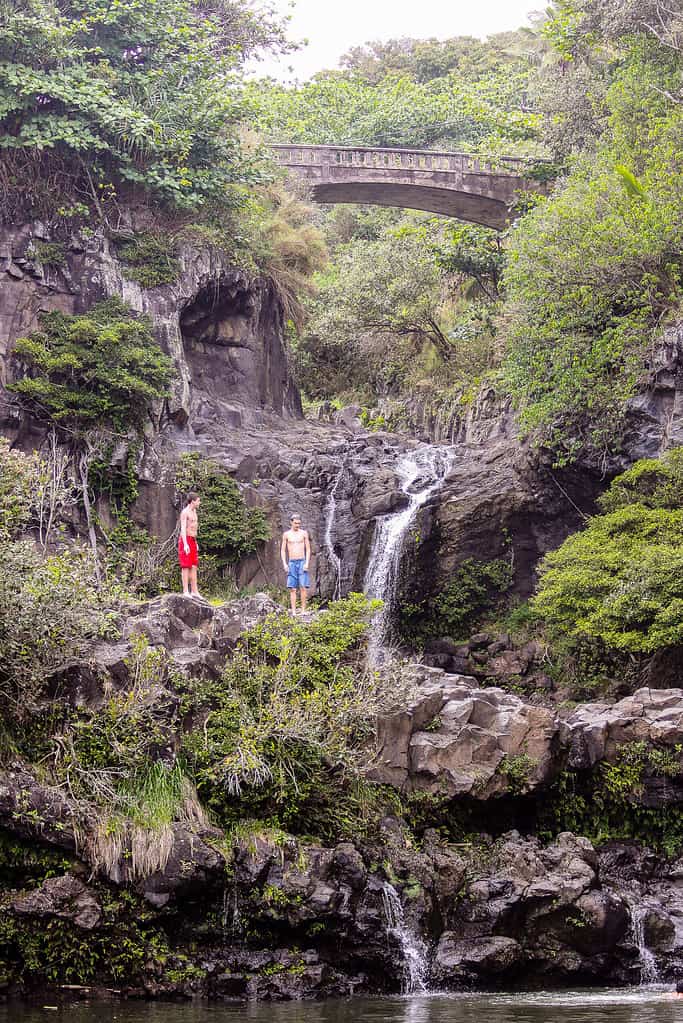
Best Hikes In Maui Waterfall
You can see some of Maui’s most beautiful waterfalls by hiking along forest trails. These hikes are not too difficult but offer exciting views, swimming spots, and stunning scenery.
‘Ohe’o Gulch
‘Ohe’o Gulch, also known as the Seven Sacred Pools, is in Haleakala National Park. The trail passes through bamboo forests and running streams.
Currently, the Pools of ʻOheʻo are not open due to safety concerns. The pools can be viewed safely from the Kūloa Point Trail.
Location: East Maui, near Hana
Trail Length: About 2.6 miles round trip
Highlights: Multiple waterfalls, lush jungle views
Park early because parking fills up fast.
Pipiwai Trail
The Pipiwai Trail is one of Maui’s most popular waterfall hikes. It’s famous for its tall bamboo forests, which lead to Waimoku Falls, a 400-foot waterfall.
The trail is well-marked but has some steep areas. You’ll cross several bridges and walk past more minor falls before you reach the big one at the end. There are plenty of chances to take photos.
Quick facts:
- Distance: 4 miles round trip
- Elevation gain: 800 feet
- Best time to go: Early morning or late afternoon to avoid crowds
Wear insect repellent and always stay on the marked path.
Twin Falls
Twin Falls is the first significant waterfall hike past Paia on the Road to Hana. It is less challenging than others and is suitable for families.
There are multiple pools and two main waterfalls. The first is located near the entrance and is easy to find. The second requires more hiking on muddy paths, but it’s worth it. Don’t forget your camera and a towel.
What to bring:
- Water shoes (trails can be muddy)
- Drinking water
- Light snacks
There’s a small fruit stand at the entrance. Parking can be limited during busy hours. This is an excellent spot for a quick swim and taking photos of the waterfall.

Adventures To Consider Based On Your Interest
Maui offers a wide range of adventures for people who love the outdoors. Whether you want to explore under the sea, ride down mountain trails, or get a bird’s-eye view, you will find something new to try.
Scuba Diving
Scuba diving in Maui allows you to see vibrant coral reefs, sea turtles, and a diverse array of fish. The best spots are Molokini Crater and Turtle Town. You can go with professional guides in small groups.
There are lessons and safe places to learn for beginners. Advanced divers will find deeper locations to explore, featuring even larger marine life. Excursions often provide all the necessary equipment.
Surfing
Surfing is a classic activity in Maui. If you are new to surfing, there are plenty of classes available near Kihei, Lahaina, and Kaanapali. Instructors help you learn the basics in safe areas.
Experienced surfers head to beaches like Ho’okipa or Honolua Bay. The waves can get big, especially in winter, so be aware of your skill level.
Boards and rash guards can be rented by the day. Many adventure tours include group lessons, making it easy for families or friends to join.
Downhill Bike Tour From Haleakalā
A downhill bike tour from Haleakalā starts at the volcano’s summit, around 10,000 feet above sea level. These guided rides are downhill the entire way, and you must follow a van to stay safe.
The view from the top includes clouds, the crater floor, and nearby islands. You can go at sunrise or during the day. Sunrise tours require getting up early, but the light and clouds are worth it.
Wear layers since the top is cold, but it will warm up as you reach sea level.
Helicopter Ride
A helicopter ride over Maui shows you hidden waterfalls, valleys, and volcanoes. Flights usually last 45-60 minutes. Some routes pass over the West Maui Mountains, Hana, and even the Molokai sea cliffs.
You can see parts of Maui that are hard or impossible to reach on foot. Take a camera, as it’s the best way to capture aerial photos of Maui’s rainforests and lava fields.
Off Roading On ATV
Off-roading on an ATV is a fun way to see Maui’s wild side. Guided tours take you through pineapple fields, muddy trails, and mountain paths. Many tours first provide safety gear and short lessons.
You must be at least 16 years old to drive, but passengers of all ages are welcome to ride along. Expect to get dirty, wear old clothes, and shoes.
You’ll visit places not many tourists get to see. Native plants, ocean lookouts, and even hidden waterfalls are all part of the adventure.
Caves/Lava Tube Exploring
Maui has some unique caves and lava tubes to explore. The most famous is the Hana Lava Tube, which is self-guided and open to the public most days. Bring a flashlight to explore.
Inside, you’ll see smooth walls, odd rock shapes, and roots hanging from the ceiling. Since the area can be slippery, wear sturdy shoes.
They offer a glimpse into how volcanoes formed the island. Exploring caves is a unique adventure that not everyone tries.
Horseback Riding
Guided horseback riding tours take you through ranch land, rolling hills, or along the coast. Kids and adults can participate, and guides can match you to a horse based on your experience level.
Rides take you through forests, open meadows, or along cliffs with stunning ocean views. Some even include a stop for snacks or a swim in a pond.
Wear long pants and closed shoes for comfort. Horseback riding is a peaceful way to see Maui’s scenery and learn about local plants and ranch life.
Waterfall Repelling
Waterfall repelling, also known as canyoning, is for those who want something different. You wear a harness and use ropes to climb safely beside a waterfall.
Guided tours provide all equipment and safety training. The adventure usually includes hiking through the rainforest, swimming, and climbing.
Expect to get wet and possibly muddy. This is one of the most unique adventures in Maui, giving you both a thrill and a story to tell later. Tours start with small practice cliffs before the real descent.
Sportfishing
Sportfishing takes you into the deep waters around Maui. Boats leave from Maalaea Harbor in the early morning. Common catches include mahi-mahi, tuna, marlin, and ono.
No prior experience is required, and the crew provides rods, bait, and detailed instructions. Trips can last four to eight hours. Since it can get hot out on the water, be sure to bring sunscreen and a hat.
Some tours let you keep a portion of your catch. You may also see dolphins or whales while you’re out at sea.
Paddle Boarding
Stand-up paddleboarding (SUP) is popular on calm mornings at beaches like Napili and Kapalua Bay. You can rent boards by the hour. It’s a low-impact activity suitable for almost all ages.
Instructors are available if you haven’t tried SUP before. The morning is the best time, as winds are usually low and the water is smooth.
SUP offers a quiet ocean view; you might see turtles below your board. My kids got lucky and saw a monk seal coming onto shore.
Wind Surfing
Maui is one of the best places for windsurfing, especially at Kanaha Beach Park and Ho’okipa Beach. The strong and steady winds make this a favorite for both beginners and pros.
Lessons are available if you want to try windsurfing for the first time. Advanced windsurfers can rent equipment and head out into bigger waves and faster winds.
Golfing
Golfers have several choices in Maui, including Wailea, Kapalua, and Kaanapali courses. The ocean views and palm trees make every game feel special.
Some courses are public, while others are private and need booking. You can rent clubs and buy balls by the day or weekly.
Morning and late afternoon are good times to play, as the midday sun can be pretty hot. Dress codes may apply, so check before you go.
CT Tip: Ka’anapali Golf Course offers a special for golfing after 4 p.m.
Whale Watch In Season
Whale watching in Maui is best from December to April when humpback whales visit the warm, shallow waters. Many tours depart from Māla Harbor and Māʻalaea.
Taking an eco-raft tour brings you closer to the water’s surface. This way, you are more likely to see and hear whales up close.
Bring a windbreaker and sunglasses. Sometimes, you may get splashed. This is one of the top 10 excursions in Maui and can be found on many lists of unique things to do in Maui. Keep your camera ready for a rare tail flip or breach.
Gear for Maui Adventures
When you visit Maui for adventure, you need the right gear. Packing the right items will help you stay safe and have more fun.
Essentials to Bring:
- Lightweight hiking boots or trail shoes
- A sun hat and sunglasses
- Swimsuit and quick-dry towel
- Reef-safe sunscreen
- Bug Spray
- Small first aid kit
For water sports, bring or rent:
- Snorkel mask and fins
- Rash guard or swim shirt
- Waterproof dry bag
- Reusable water bottle
Maui’s weather can change fast. It’s a good idea to carry a light rain jacket and extra clothes.
If you forget anything, most local stores rent or sell gear. Always double-check your equipment before a big day out.
Best Time To Visit
Maui has mild weather all year. You can visit any time, but some months are better for adventure activities.
If you love surfing, winter brings big waves to the north shore. For snorkeling and swimming, summer offers calmer waters. Whale season is from December to April.
Consider visiting during the shoulder season for fewer crowds and pleasant weather. You’ll find more tours available and may be able to save money on accommodations.
Bring light clothes, sun protection, and a light jacket for higher elevations. Rain is more common from November to March, but showers are often brief.
Where To Stay
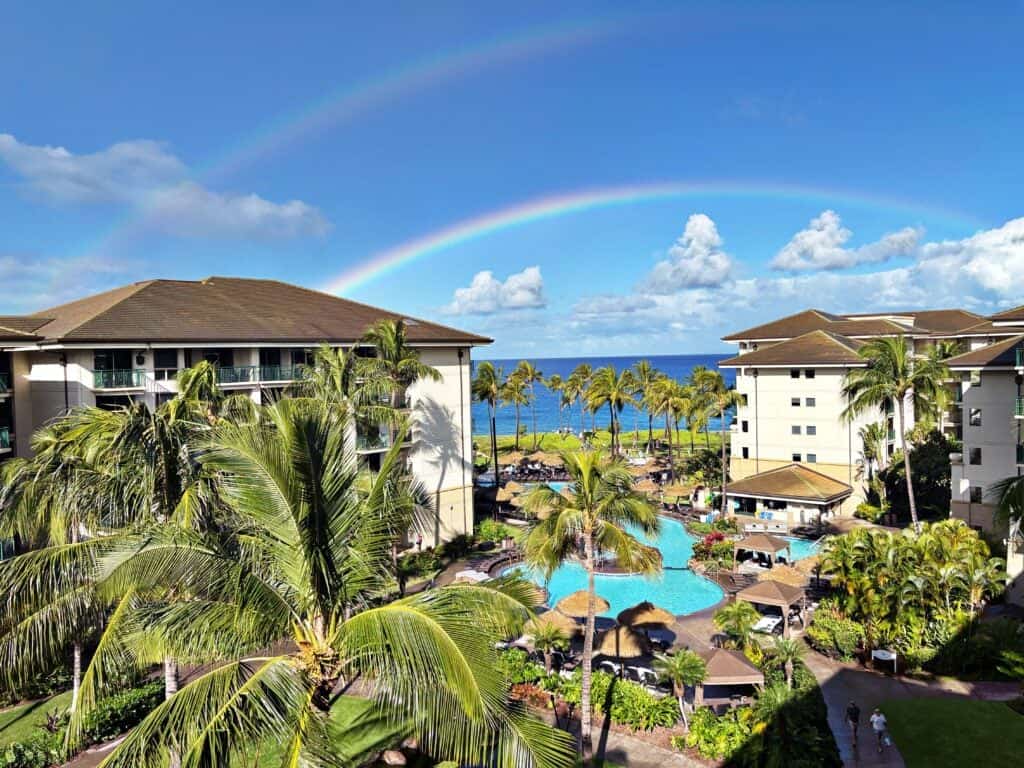
When you visit Maui for adventure, you have many choices for where to stay. Each area has its benefits, depending on what you want to do.
West Maui
Staying in Lahaina or Kaanapali allows easy access to boat tours, snorkeling, and hiking. Many hotels and resorts are near the beach. My preference is to stay in West Maui.
South Maui
Wailea and Kihei have many condos and family-friendly hotels. These areas are close to calm beaches and are great for paddleboarding or kayaking.
Upcountry & East Maui
If you want something different, stay in the Upcountry or near Hana. Small inns and rentals are conveniently located near hiking trails and waterfalls.
Book early if you plan to visit during busy periods, such as summer or winter holidays. If you prefer a quiet environment, look for smaller accommodations located away from the main tourist areas.
Rental Car Or Not?
Getting around Maui is much easier with a rental car. Many of the best adventure spots are not located close together, and public buses do not typically operate to remote areas or most beaches. Maui is best experienced by car.

Our Favorite 5 Restaurants
Maui has some great spots to grab a meal after a day of adventure. Here are your top picks for refueling on the island.
1. Paia Fish Market
If you love fresh seafood, you should try Paia Fish Market. The menu is straightforward, and the seafood is consistently delicious. Our favorites are the Obama Burger (secret menu item), the seafood pasta, and the shrimp tacos. They have two locations, Kihei and Paia.
2. Monkeypod Kitchen
Their menu features locally sourced ingredients and handcrafted cocktails like the signature Monkeypod Mai Tai. Check out their happy hour for drink specials. 1/2 off select appetizers and $10 pizzas.
3. Tin Roof
Tin Roof is a casual spot run by a chef on Top Chef, Sheldon Simeon. The Mochiko Chicken is our favorite. The restaurant is small, so consider taking your food to go and enjoying it at the beach or on a hike.
4. Mama’s Fish House
Mama’s Fish House is an iconic oceanfront restaurant on Maui’s North Shore, famous for ultra-fresh, locally caught seafood, a beautiful setting, and warm aloha vibes — an actual bucket-list dining experience. This is one of our favorite restaurants in the WORLD.
5. Like Poke
Like Poke? is a super popular Maui food truck serving ultra-fresh, big-chunk poke bowls and fried poke plates — a local favorite that sells out fast!
Final Thoughts
Maui offers numerous opportunities to seek adventure, whether you’re drawn to the ocean, mountains, or forests. Each area provides something new to see and try.
It helps to pack your gear carefully. Bring water, sunscreen, and sturdy shoes, especially if you plan to hike. Double-check your equipment and local rules if you want to surf or snorkel.
If you are new to an activity, booking a guide is a good idea. Local guides can teach you about wildlife and keep you safe.
Respect nature and local customs. Many spots are sacred and special to the people who live in Maui.
There are two sayings that every visitor to Hawaii should know and practice.
Live Pono and Practice Aloha
When someone encourages you to live pono, they invite you to live with intention, honor your values, care for your world, and always aim for harmony. It’s more than a motto; it’s a gentle, life-affirming reminder to do your best on every level.
At its core, Practice Aloha means living and acting with love, kindness, compassion, and respect in everything you do.
While most visitors think of “aloha” as just a greeting or goodbye, it has a much deeper value—a way of life in Hawai‘i.
To Practice Aloha is to:
- Show kindness and empathy — treat others how you’d like to be treated.
- Respect the land and ocean — pick up your trash, tread lightly, and honor sacred places.
- Be patient and understanding — don’t rush, don’t honk, don’t stress; instead, move at an island pace.
- Share and give generously — Hawaiians value community over individual gain.
- Cultivate gratitude and joy — appreciate the little things, from a blooming plumeria to a sunset.
When you Practice Aloha, you’re embodying the spirit of Hawai‘i: open-hearted, generous, and deeply connected to people and place. It’s like carrying some island sunshine in your heart, no matter where you are.
Go Grab Life. And don’t forget to wear sunscreen.
Happy Exploring!