
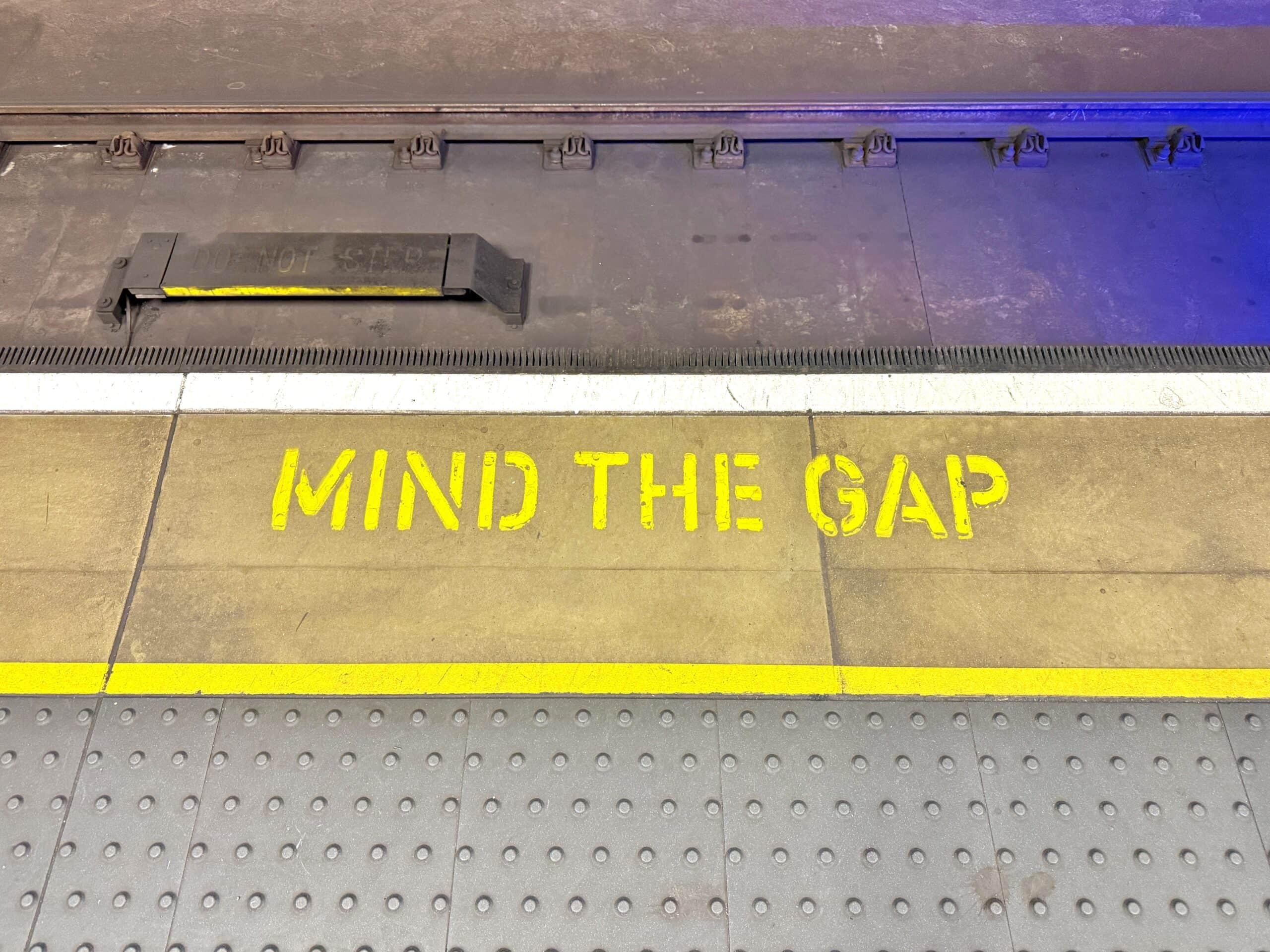
How to Use the London Tube for First-Time Visitors
Using the London Tube for the first time can feel confusing.
There are multiple lines, different zones, tapping in and out, and it is not always clear which train to take or how much it will cost. It can feel overwhelming before you even step into a station.
The good news is that once you understand the basics, the Tube is one of the easiest and fastest ways to get around London.
I’ve used the Tube on almost every trip to London over the past 15 years, and it is still my go-to way to get around the city.
This guide breaks everything down step by step so you can use the London Tube with confidence, even if it’s your first time.
Affiliate Disclaimer: Some links on this blog are affiliate links. This means that, at no additional cost, the author may earn a small commission if you purchase through these links. As an Amazon Associate, I earn from qualifying purchases.
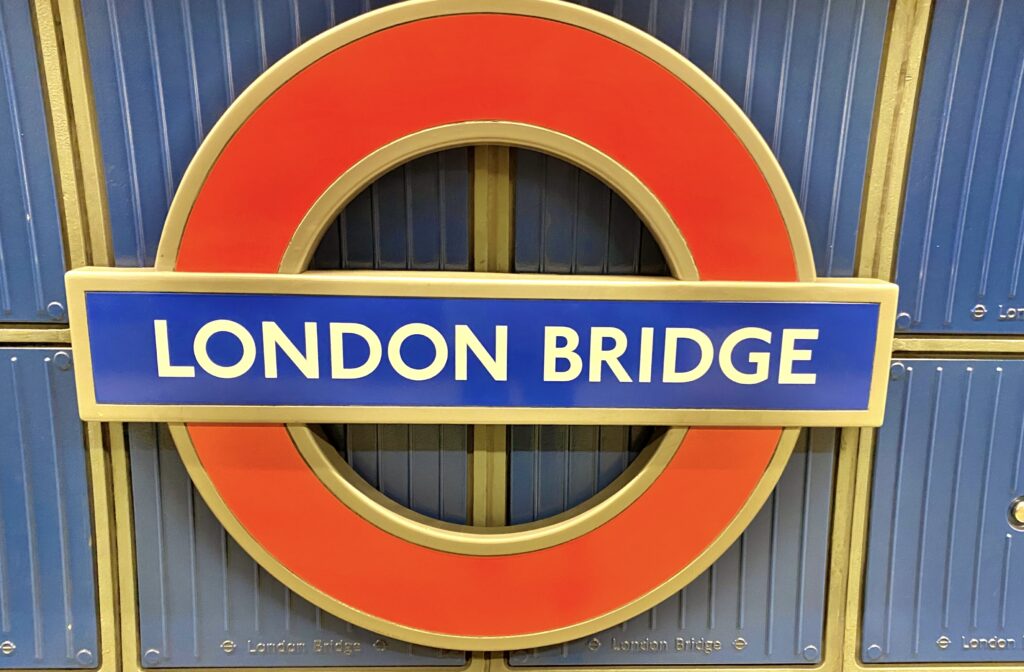
How to Use the London Tube (Quick Answer)
To use the London Tube, tap in with an Oyster card or contactless payment, follow signs for your line and direction, ride the train, and tap out when you exit.
Here’s the basic process:
- Tap in using a contactless or an Oyster card
- Follow the signs for your Tube line and direction
- Check the final destination on the train platform
- Get off at your stop
- Tap out at the exit gates
Once you understand this flow, navigating the Tube becomes very straightforward.
What Is the London Tube?
The London Tube is the city’s underground train system and the fastest way to travel across London.
It connects:
- Major attractions
- Airports
- Neighborhoods
You will use it frequently during your trip, especially if you are following a multi-day itinerary.
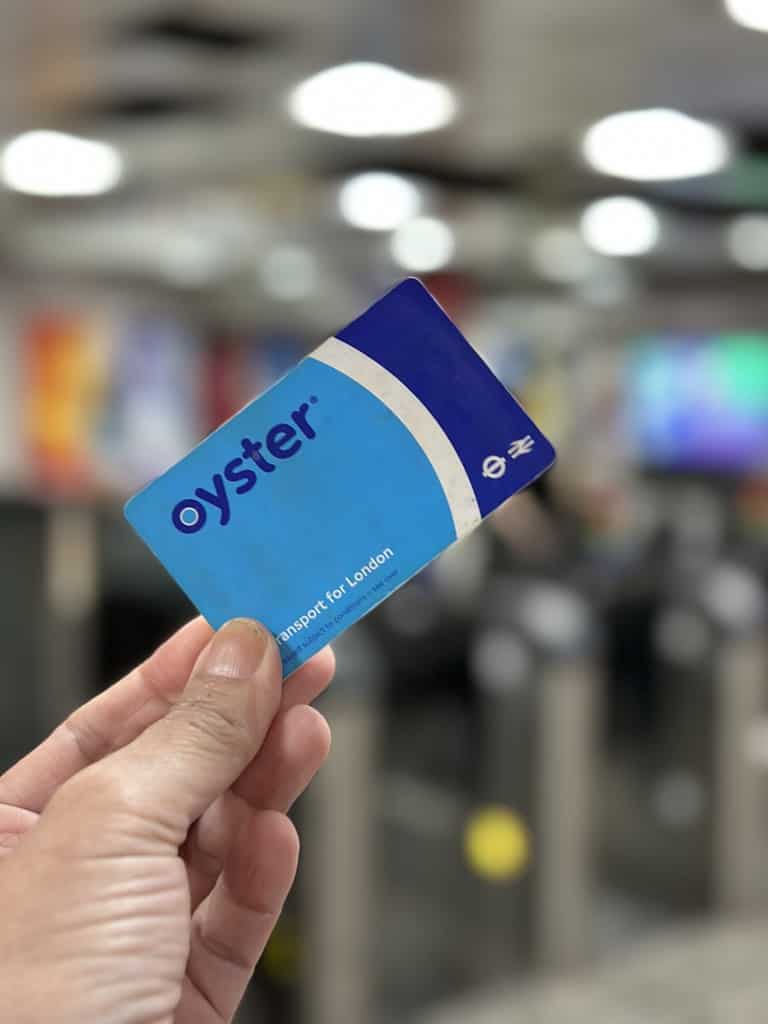
Step 1: Use a Contactless or an Oyster Card
For most visitors, the easiest option is:
Use a contactless debit or credit card
You can also use:
- Apple Pay
- Google Pay
- Oyster card
What I Recommend
I use an Oyster card on most of my trips.
It may feel a bit old school, but I like that I don’t have to pull out a credit card or unlock my phone in crowded stations. I can just tap in and out quickly, which feels more secure, especially during busy times.
My husband prefers using Apple Wallet, and that works just as well. It really comes down to what you are most comfortable with.
👉 If you want simplicity and fewer things to worry about, Oyster is a great option
👉 If you prefer convenience, contactless or Apple Pay works perfectly

Do You Need a Travelcard in London?
Short answer: No, most visitors do not need a Travelcard.
If you are staying within Zones 1 and 2, which is where most major attractions are, your daily travel costs are automatically capped when using a contactless or an Oyster card.
Here’s how it works:
- There is a daily cap (currently around £8.90) for Zones 1–2
- Once you reach that amount, you will not be charged more for the rest of the day
- The cap includes:
This means you can use public transport as much as you want in a day without worrying about the cost increasing.
Important: Use the Same Payment Method
To benefit from the daily cap, you must use the same payment method for every journey.
For example:
- If you start the day using an Oyster card, you need to continue using that same Oyster card
- If you start with a contactless card or Apple Wallet, you must keep using that same device
You cannot switch between an Oyster card, a credit card, and Apple Pay and still receive the cap.
Transport for London treats each payment method separately, so it has no way to combine your trips across different cards or devices.
Why I Don’t Recommend a Travelcard
A 1-day Travelcard for central London (Zones 1–4) starts at around £16.60, which is significantly more than the daily cap most visitors actually hit.
On most of my trips, I never come close to needing a Travelcard because the daily cap already keeps costs low.
When a Travelcard Might Make Sense
- If you plan to travel outside Zones 1–2 frequently
- If you prefer having everything prepaid in advance
For most first-time visitors, though, using Oyster or contactless with the daily cap is the simplest and most cost-effective option.
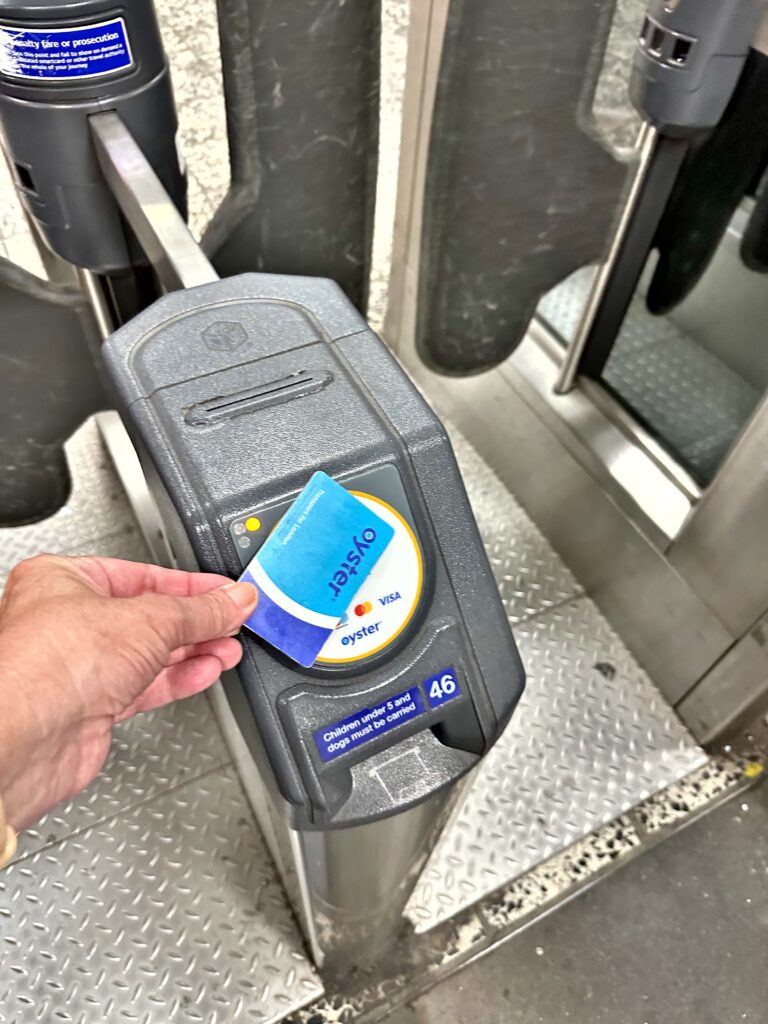
Step 2: Enter the Station and Tap In
When you arrive at a station:
- Tap your card or phone on the yellow reader
- The gate will open
- Walk through
Always use the same card for your full journey
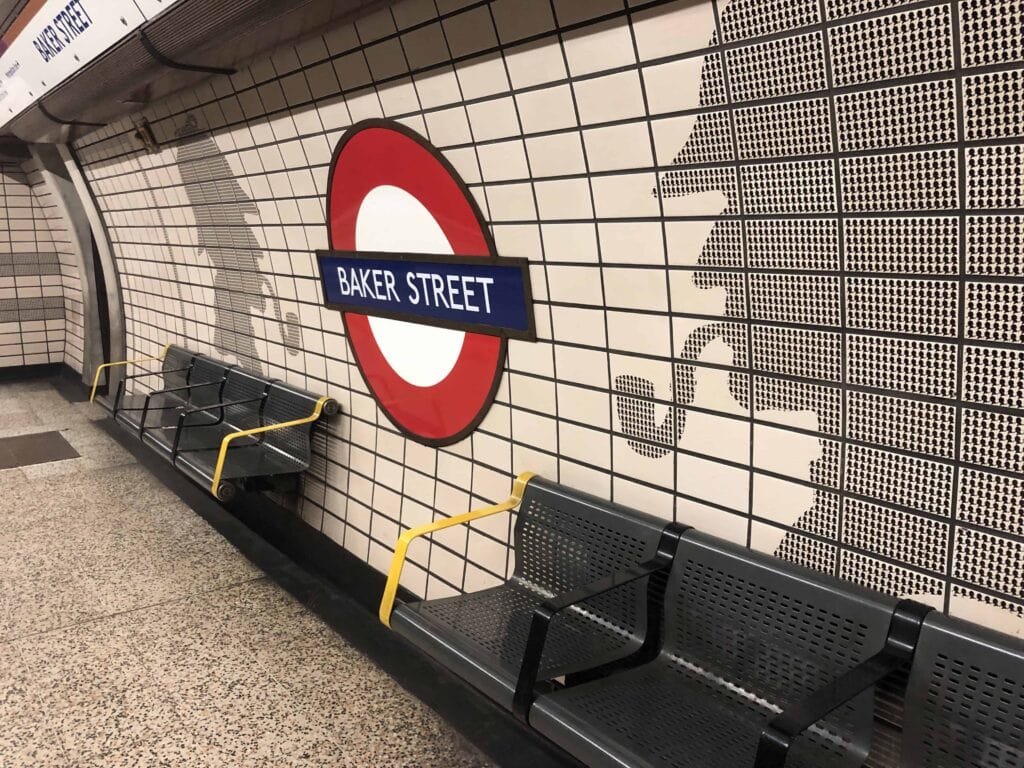
Step 3: Follow Signs for Your Line and Direction
This is where most first-time visitors get confused.
You will see signs for:
- Line name (Central, Piccadilly, Jubilee, etc.)
- Direction (final stop of the train)
Always follow the end destination, not just the line name
Example:
Instead of:
“Take the Central Line”
You follow:
“Central Line → Epping”
How to Find Your Way Using London Tube Signage
One reason the London Tube is easier than it looks is that the signage is very clear and consistent.
Once you know what to look for, you can navigate almost any station without confusion.
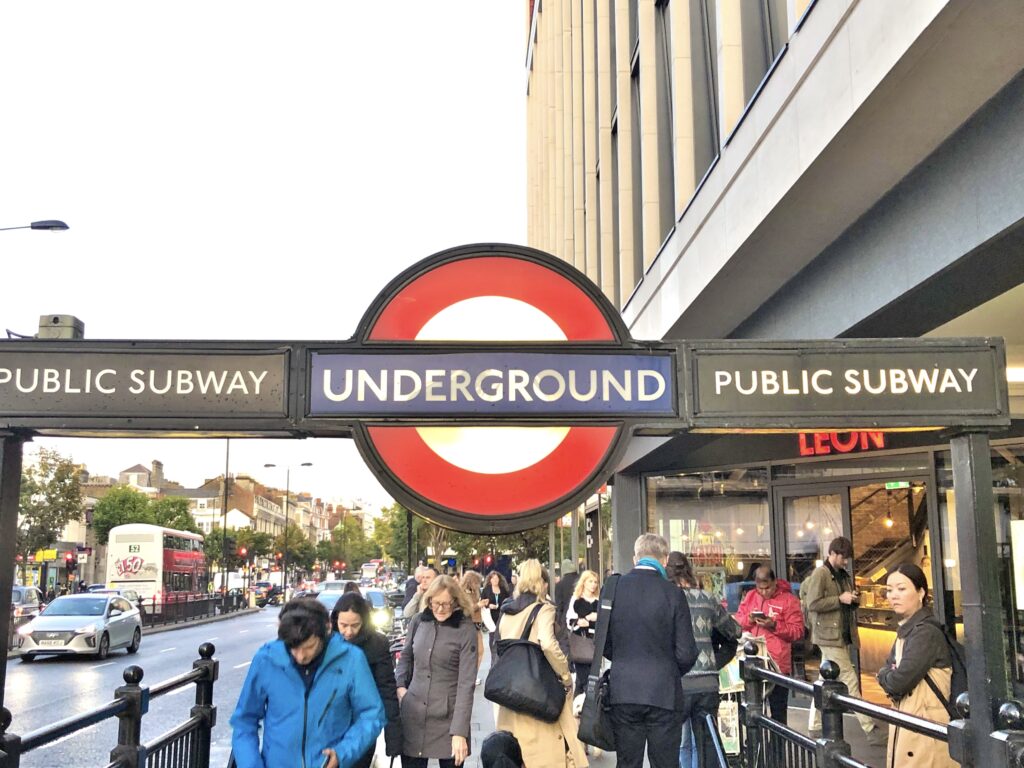
Look for the Roundel Sign
Every Tube station is marked by the iconic red and blue Underground roundel sign.
- Red circle with a blue bar
- Usually says “Underground”
- Easy to spot from the street
If you see this sign, you’ve found a Tube station entrance
Follow Color-Coded Lines
Each Tube line has:
- A name (Central, Jubilee, Piccadilly, etc.)
- A color (red, gray, dark blue, etc.)
Inside the station, you will follow signs that match both the line name and its color.
This makes it much easier to stay on the right path, even in large stations
Always Follow the Final Destination
This is the most important part of navigating the Tube.
Trains are labeled by their final stop, not just the line name.
For example:
Instead of just “Central Line.”
You will follow: “Central Line → Epping”
Always check the end destination to make sure you are going in the correct direction.
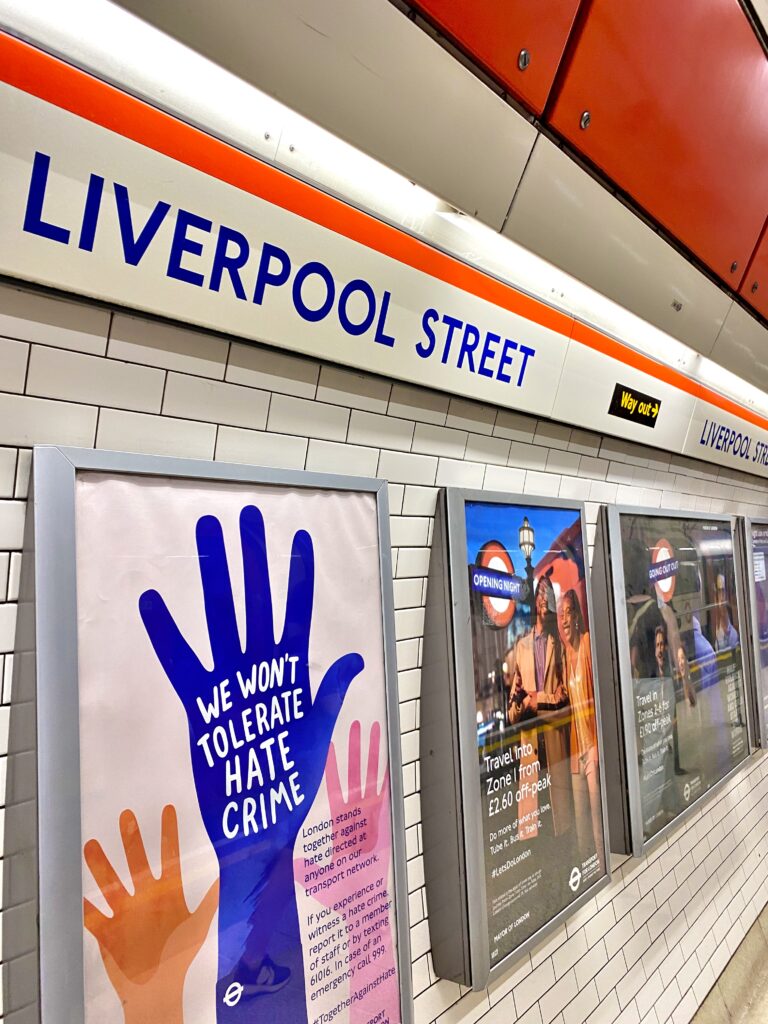
Use “Way Out” to Exit
When you are leaving the station, simply follow signs for:
👉 Way Out
These signs will guide you:
- through corridors
- up escalators or stairs
- to the exit gates
Transfers Are Clearly Marked
If you need to change lines:
- Follow the signs for your next line
- Stay inside the station
- Do NOT tap out
Stations are designed so you can transfer by simply following the signs step by step.
Once you get used to following the signs, navigating the Tube becomes much more intuitive than it first appears.

Step 4: On the Platform (Check Before You Board)
Before getting on:
- Look at the electronic board
- Check the destination
- Confirm it stops at your station
Trains run frequently, so there is no need to rush.
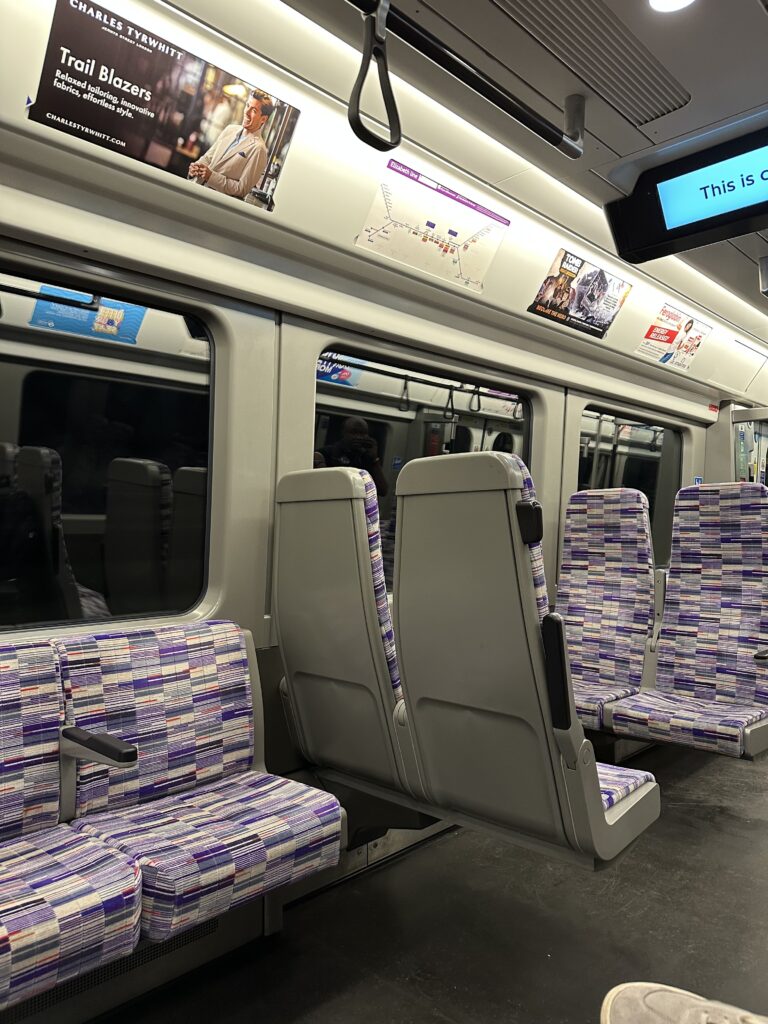
Step 5: Ride the Train and Get Off at Your Stop
Inside the train:
- Stops are announced
- Maps are posted above doors
I usually follow along on Google Maps or Citymapper
Step 6: Tap Out When You Exit
When you leave the station:
- Tap your card again at the exit gates
If you forget to tap out, you may be charged extra
Common Mistakes to Avoid
These are the most common mistakes I see first-time visitors make, and they are easy to avoid once you know what to look for. If you avoid these mistakes, using the London Tube becomes very straightforward.
Using Different Payment Methods
To get the daily cap, you must use the same payment method for every journey.
Do not switch between:
- Oyster card
- credit card
- Apple Pay
Transport for London treats each one separately, so switching can mean you pay more than necessary.
Not Tapping Out
Always tap out when leaving the station.
If you forget, you may be charged the maximum fare for your journey.
Taking the Wrong Direction Train
Each line runs in two directions based on the final stop.
Always check the destination on signs and screens before getting on the train.
If you are unsure, it is better to wait for the next train than to go the wrong way.
Traveling During Rush Hour
Avoid traveling between:
- 7:00–9:00 am
- 4:00–6:30 pm
Trains get very crowded, especially in central London.
I try to plan around these times whenever possible.
Standing on the Left Side of the Escalator
In London, the rule is:
Stand on the right, walk on the left
Blocking the left side will quickly frustrate commuters.
Trying to Use a Travelcard
Most visitors do not need a Travelcard.
The daily cap with Oyster or contactless is usually cheaper and easier.
Overusing the Tube
The Tube is not always the best option.
For short distances, walking is often faster and more enjoyable.
I end up walking more than I expect on almost every trip.
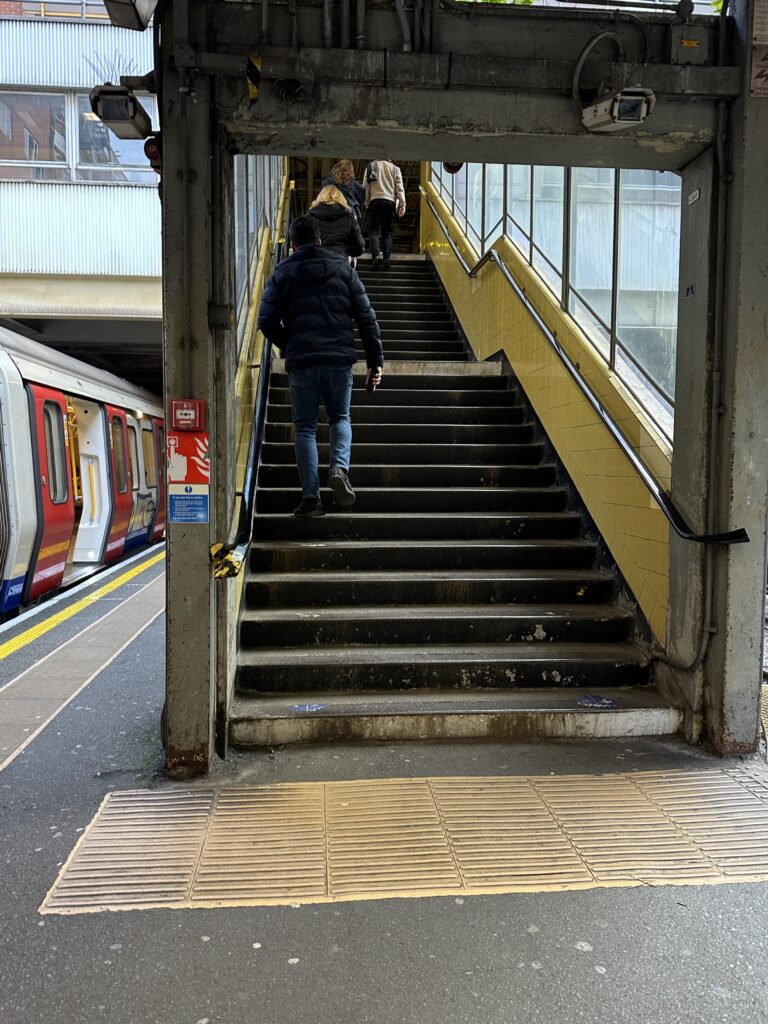
Accessibility, Stairs, and Luggage (What to Expect)
One thing that often surprises first-time visitors is that not all London Underground stations are step-free.
As of now, only about one-third of Tube stations (around 90 out of 270+) offer step-free access from the street to the platform.
That means:
- Many stations have stairs, escalators, or long corridors
- You may need to go up and down multiple levels
- Transfers between lines can involve more walking than expected
Why This Matters for Your Trip
Even if you do not need step-free access, this still affects your experience.
I’ve found that some routes look simple on a map but involve:
- several escalators
- long underground walkways
- or multiple level changes
This is one of the reasons I sometimes choose to walk or take a bus instead.
Be Careful with Luggage
If you are arriving in London or heading to the airport:
Avoid overpacking if possible
Dragging large suitcases through Tube stations can be challenging, especially when:
- Lifts are not always available
- Stations are crowded
- Or you are changing lines
On most of my trips, I try to pack lighter and plan airport routes carefully to avoid unnecessary stress.
What I Recommend
- Use Citymapper to check routes (it often shows step-free options)
- Consider the Elizabeth Line or taxis when traveling with luggage
- Allow extra time when changing lines or navigating large stations
Best Apps for Using the London Tube
I always use:
- Citymapper (best for London)
- Google Maps
Citymapper is more accurate for delays and platform info
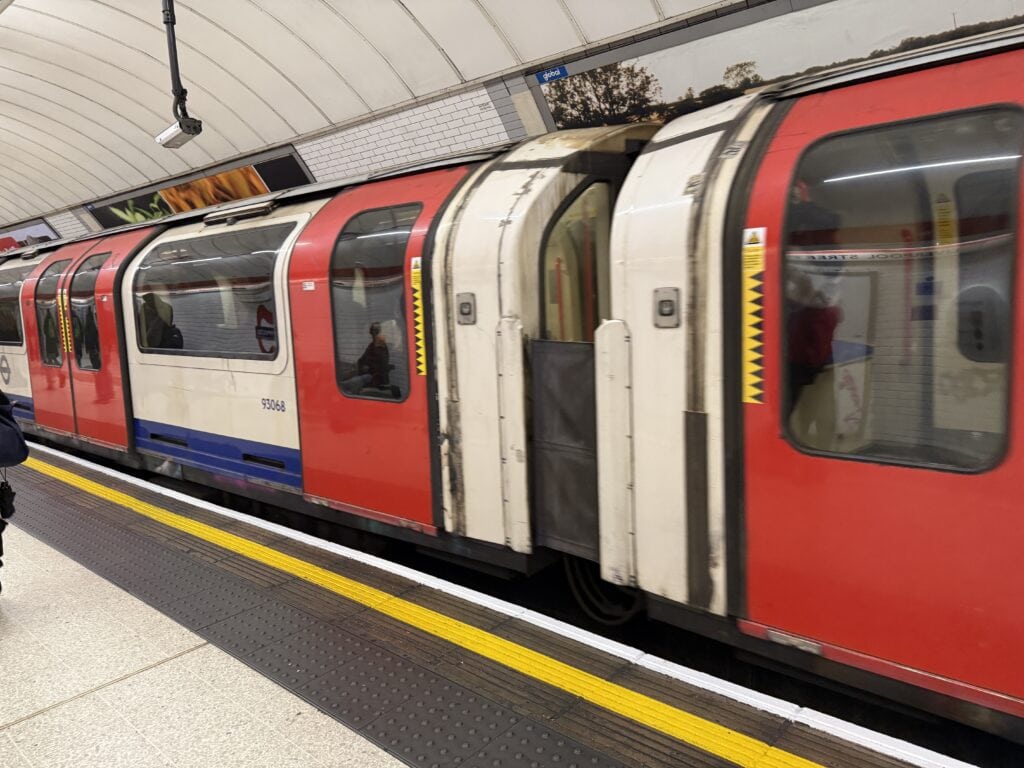
When to Walk Instead of Taking the Tube
On many trips, I’ve found that:
Walking is often faster for short distances
Example:
- Covent Garden → Leicester Square
- Westminster → South Bank
If it’s under 15–20 minutes, I usually walk
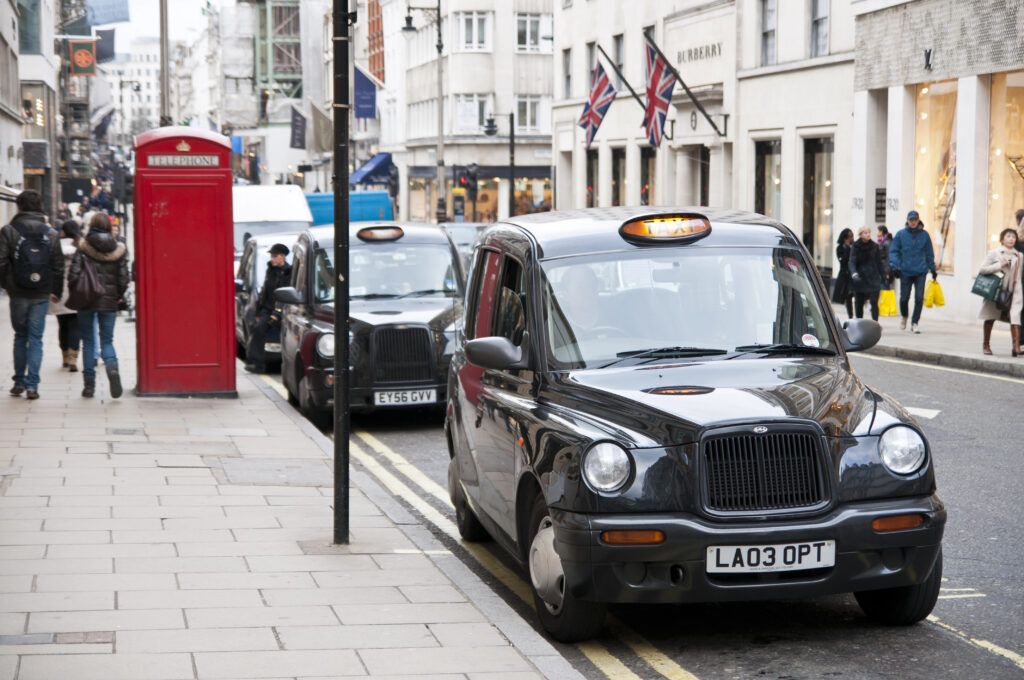
Black Cabs vs Uber
For taxis, you have two main options in London:
- Black cabs
- Uber
I personally prefer black cabs.
Black Cab drivers undergo extensive training known as The Knowledge, during which they memorize thousands of streets and routes across London. In my experience, they are more reliable and better at navigating traffic.
If you want the convenience of booking through an app, you can use:
- Free Now (best option)
- GETT
These allow you to book licensed black cabs the same way you would use Uber.
Uber is widely available, but I usually use it only when a black cab isn’t convenient.
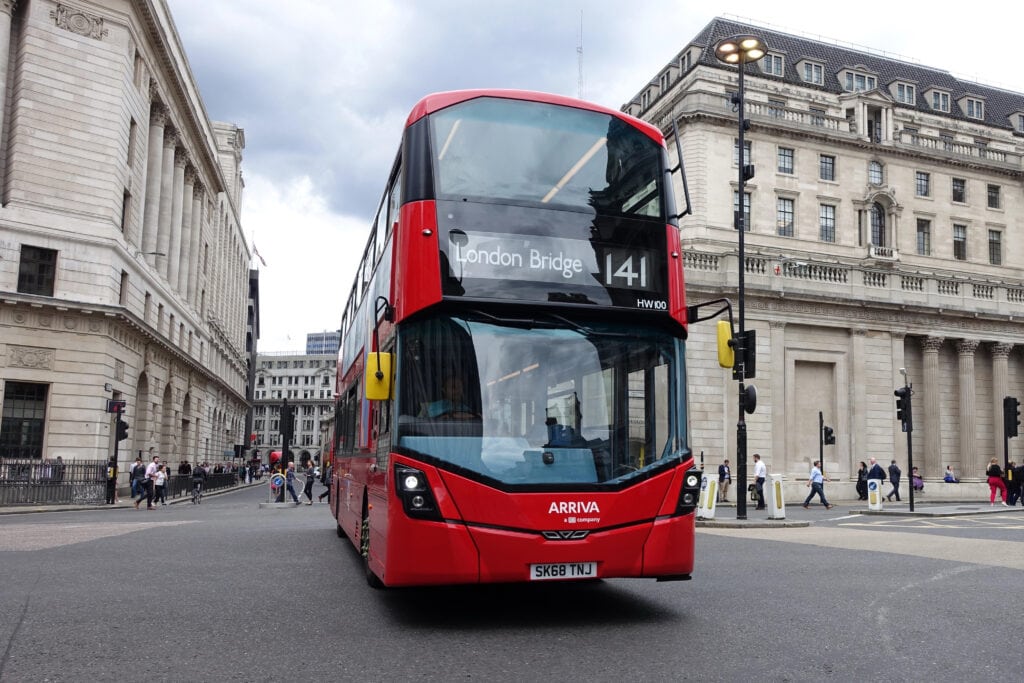
How This Fits Into Your London Trip
If this is your first time in London, understanding the Tube will make planning your trip much easier.
Start here: First Time in London: What You Need to Know
And if you want a full plan that uses the Tube efficiently:
5 Day London Itinerary That Actually Works
FAQ related to How to Use the London Tube
Is the London Tube easy for first-time visitors?
Yes, the London Tube is easy to use once you understand the basics. Signs are clear, trains run frequently, and apps like Citymapper make navigation simple.
Do I need an Oyster card for London?
No, you do not need an Oyster card. Most visitors can use contactless credit cards or mobile payments.
However, I often use an Oyster card because it is quick to tap in and out without needing to take out a wallet or phone in crowded stations.
What happens if I don’t tap out on the Tube?
If you do not tap out, you may be charged the maximum fare for your journey.
Is the London Tube safe?
Yes, the Tube is generally safe, even at night, but, as with any major city, you should stay alert to your surroundings.
What is the daily cap on the London Tube?
For Zones 1–2, the daily cap is around £8.90. Once you reach that amount, you will not be charged more for the rest of the day.
This cap includes the Tube, buses, DLR, Overground, Elizabeth Line, and most National Rail services.
Can I switch between Oyster and contactless on the same day?
No, you should use the same payment method for every journey.
If you switch between an Oyster card, contactless card, or Apple Pay, Transport for London will treat them separately, and you may not benefit from the daily cap.
Is the London Tube accessible for everyone?
Not all Tube stations are step-free. Only about one-third of stations have step-free access from the street to the platform.
Many stations have stairs, escalators, and long corridors, so it is important to plan ahead if you are traveling with luggage, strollers, or mobility needs.
Is it better to take the Tube, bus, or walk in London?
It depends on the distance.
- Use the Tube for longer distances
- Walk for short distances when possible
- Use buses when you want an easier, above-ground option
On most trips, I end up using all three. Citymapper App is great for helping you decide.
Are black cabs better than Uber in London?
Black cabs are often more reliable because drivers complete extensive training known as The Knowledge.
I usually prefer black cabs, especially when navigating busy areas, and use the Free Now app to book them easily.
How do I know which Tube train to take?
Always check the final destination listed on the platform signs and train displays.
Tube lines run in two directions, so following the correct end destination ensures you are going the right way.