

How to Make a Travel Bucket List: Creating Ideas for 2026
My best friend died suddenly at 53. She was a frequent travel companion. We always said “next time.” Then there was no next time.
A few years ago, I was diagnosed with Inflammatory Breast Cancer. Around the same time, I lost her. Two things happened in close succession that made “someday” feel like a lie I’d been telling myself.
That’s when a friend and I decided we were permanently on a YOLO tour.
A bucket list isn’t a list of places. It’s a decision to stop treating the trips you care about as optional. The goal is to die with memories, not dreams. This post is about how to build yours — and more importantly, how to actually take the trips on it.
Because someday is not a promise.
Affiliate Disclaimer: Some links on this blog are affiliate links. This means that, at no additional cost, the author may earn a small commission if you purchase through these links. As an Amazon Associate, I earn from qualifying purchases.
Why Create a Travel Bucket List?
Most people have a mental list. Places they’ve always wanted to go. Trips they keep meaning to take. Things they’ll do when the kids are older, when work slows down, when the timing is better.
The timing is rarely better.
I’ve watched people wait for the right moment on trips they’d been planning for years. I’ve also watched people stop waiting and take the trip while they still could. The difference in how those stories end isn’t subtle.
A bucket list makes the mental list real. It forces you to look at what you actually want to do and decide whether you’ll do it or keep deferring it. That’s the whole point. Not the list itself — the decision to take it seriously.
The other thing a bucket list does: it helps you plan better trips. When you know what you’re working toward, you stop booking travel reactively and start building toward experiences that actually matter to you. The trip to Paris you’ve had in your head for ten years deserves better planning than a long weekend you threw together in February. A bucket list gives it the weight it’s earned.
Take the trip. Make the memory. Use the fine china.

How To Make A Travel Bucket List
The list itself is not complicated. What makes it hard is being honest about what you actually want versus what sounds impressive or what everyone else is doing.
Start with the trips that keep coming back to you. Not the ones you think you should want. The ones you’ve been quietly thinking about for years and haven’t done anything about. Those belong at the top.
Make it yours, not a highlight reel
Your bucket list should reflect how you actually travel, not how travel looks on Instagram. If you care more about food markets than famous monuments, put the food markets on the list. If you’d rather spend a week in one place than five days hitting eight cities, build the list around that.
Include the stretch goals, too. The trip that feels too far, too expensive, or too complicated right now. Write it down anyway. Having it on the list is what eventually makes it real.
Get specific
“Visit France” is not a bucket list item. “Watch the sun go down over Paris from Sacré-Coeur” is. The more specific you are, the easier it is to plan, and the better the trip will be when you get there.
Think about what draws you to a place. Is it the food? The architecture? A specific experience you’ve read about? Write that down, not just the destination name. The details are what turn a list into a trip worth taking.
Ask yourself the hard question
If something happened tomorrow and you could no longer travel, what would you regret not having done? That answer is where your list should start. Not with the places that seem reasonable, but with the ones that would actually matter.
Book Lodging
Elevate your travel experience by reserving the ideal accommodation with Booking.com. Discover a range of hotels that suit your preferences, including location and budget.
Plan your Bucket List Activities
Discover the beauty of your travel destination through guided tours and activities available on Viator. Immerse yourself in the local culture and history.
Rent Your Car
Discover Cars delivers hassle-free car rental solutions, allowing you to explore your destination at your leisure. Embrace the freedom to travel and find hidden treasures along the way.
Where to Find Inspiration
You probably already have more ideas than you realize. The destinations that keep coming up in conversation, the places you’ve pinned without quite knowing why, the trip a friend described that you haven’t been able to stop thinking about. Pay attention to those.
Beyond what’s already on your radar:
Travel blogs and newsletters are the most useful sources that most people underuse. Not the generic roundup posts, but writers who have actually been somewhere recently and will tell you what’s worth your time. That’s the kind of specific, firsthand guidance that helps you decide whether a destination belongs on your list.
Pinterest works well for visual inspiration and for saving ideas to come back to, but be selective. A lot of what you’ll find there is the same ten destinations photographed the same way. Look for content that tells you what the trip actually feels like, not just what it looks like.
Friends and family who have been somewhere you’re considering are worth more than any blog. Ask them what they’d skip if they went back. That one question usually tells you more than an hour of reading.
Books and TV have planted a lot of bucket-list ideas in people who don’t even realize it yet. If a place keeps showing up in things you read and watch, that’s worth noting.
The goal isn’t to find more ideas. It’s to find the right ones for how you actually travel.
Put Your List in Order
A long list with no priorities is just a collection of wishes. At some point, you have to decide which trips matter most and which ones can wait.
Budget is the most honest filter. Some trips require years of saving. Others are closer than you think. Separating your list into roughly what you could do in the next one to two years versus what requires more time and money makes the whole thing feel more real and less overwhelming.
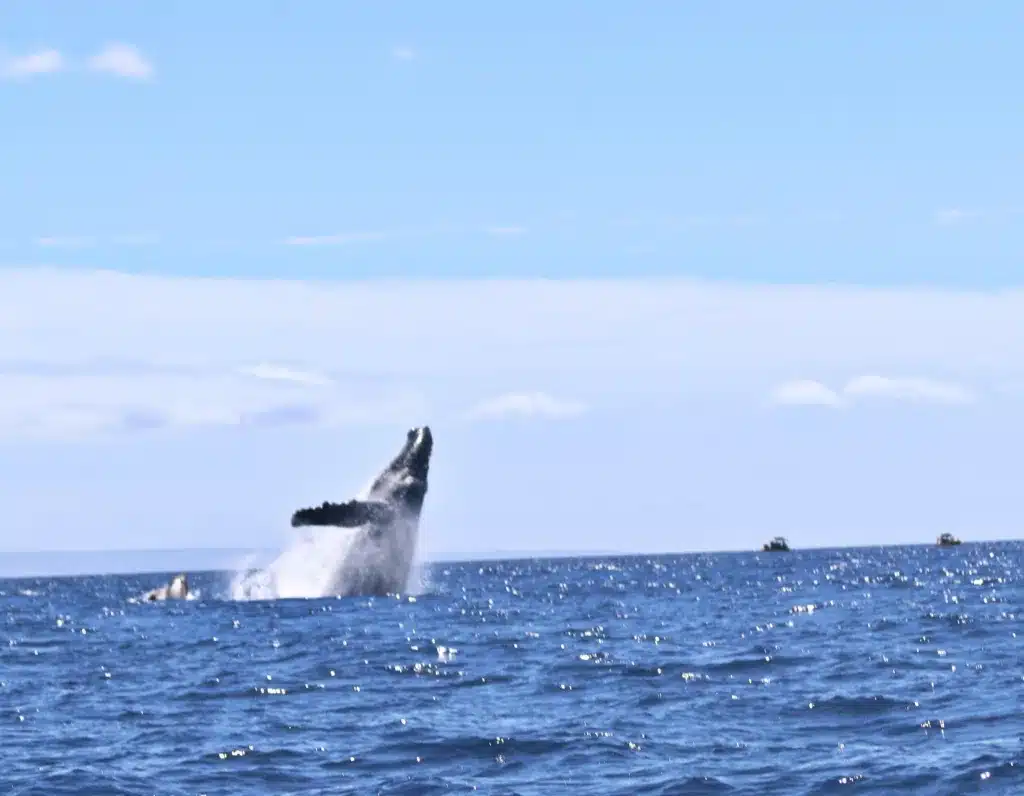
Timing matters more than most people account for. Some experiences are genuinely seasonal. Whale watching in Maui peaks in January through March. European Christmas markets run six weeks a year. The Northern Lights require darkness. If a specific experience is driving the trip, build the timing around that first, then figure out everything else.
Your interest level changes. A destination that sounded exciting three years ago might not be where you are now. Review the list occasionally and be willing to cut things that no longer fit. A shorter list of trips you genuinely want to take is more useful than a long list of trips you feel obligated to want.
Organize by category if the list feels unwieldy. Some people find it helpful to sort by trip type: adventure travel, cultural destinations, relaxation, seasonal experiences. Others organize by geography or by how far out the trip needs to be planned. Find whatever system makes it easier to actually look at the list and make decisions from it.
The point of prioritizing is not to be rigid. It’s to make sure the trips that matter most don’t keep getting pushed to the back.
Research Experiences Related To Travel
Once you know where you want to go, the research phase is where most people spend too much time and still end up uncertain.
The problem is not a shortage of information. It’s that most travel content is written to cover everything rather than to help you decide anything. You end up with 47 opinions on the same destination and no clearer sense of what’s actually right for your trip.
A few things that actually help:
Look for writers who have been somewhere recently and are willing to say what to skip, not just what to see. Firsthand, specific, and honest is worth more than comprehensive.
Use social media to find the texture of a place, what it actually feels like to be there, not just what it looks like in photographs. The comments on travel posts are often more useful than the posts themselves.
Ask people who have been there what they’d do differently. That question cuts through more noise than any amount of reading.
When you find a source you trust, follow it. One good travel newsletter or blog that consistently covers destinations you care about is worth more than hours of random searching.

Track Your List
Whatever system you’ll actually use is the right one.
Some people use a physical map with pins. Some keep a running note on their phone. Some build a spreadsheet with destinations, rough timelines, and estimated costs. Some keep a travel journal where the list lives alongside trip notes and memories.
The format matters less than the habit. The list should be somewhere you look at regularly, somewhere you can add to it easily, and somewhere that makes the trips feel real rather than abstract.
If you have not looked at your bucket list in the past 6 months, it is not working as a bucket list. Move it somewhere more visible.

Think About Timeframe
A bucket list without any sense of timing stays a list forever.
You do not need a rigid schedule. But some loose structure helps. Which trips could realistically happen in the next year? Which needs two or three years of planning or saving? Which are longer-term dreams that belong on the list but are not actionable yet?
Thinking in rough time horizons makes it easier to start taking action on the trips at the top. It also prevents the list from becoming a source of low-grade guilt about all the things you still have not done. Not every trip needs to happen soon. Some things are worth waiting for. What matters is that you know which is which.
Set Goals and Start Planning
At some point, the list has to turn into action.
Pick one trip. Decide on a rough timeframe. Figure out what needs to happen first, whether that is booking flights, researching where to stay, or understanding how much you need to save.
If the planning itself feels overwhelming, that is usually a sign that the trip needs more structure, not that you should wait longer. A good itinerary and some advance research can ease most anxiety about bucket-list travel. That is exactly what the planning guides on this site are built to help with.
The research phase never feels completely finished. At some point, you have to decide you know enough to book. That point is almost always earlier than it feels.
How to Turn Your Bucket List into Real Trips
A list that stays a list isn’t a bucket list. It’s a wish list.
The difference between the two is a plan. Not a complicated one. Just enough structure to move a destination from “someday” to “booked.”
Start here:
Pick one trip. Not the whole list. One destination, one window of time you’re willing to protect. The list will still be there when you get back.
Work backward from the trip. When should you book flights to get a reasonable fare? What needs to be reserved in advance? What’s your planning timeline? If you’re not sure how to build the actual itinerary, this step-by-step planning guide walks you through the process from first decision to packed bag.
Don’t wait for perfect conditions. The trip you take in a year that isn’t quite ideal will produce better memories than the trip you never took because the timing wasn’t right. I’ve learned this more times than I care to count.
For more destination ideas to add to your list and help decide which trips belong at the top, the Travel Bucket List Guides are organized by season, travel style, and experience type so you can browse what actually fits how you travel.
The list is the easy part. The plan is what makes it happen.
Plan How You Will Keep Track Of Your Travel Bucket List
Keeping track of your travel bucket list can be both fun and practical. You can use maps, written lists, files on your computer or phone, and journals to cover everything you dream of doing. Choose the method that best suits your travel style.
Maps
Using maps can be a great way to visualize your travel goals. You can mark places you’ve been and where you want to go. Physical maps let you use pins or stickers, while digital maps, such as Google Maps, let you add customized markers and notes.
A map helps you understand the geography of your bucket list. You might notice nearby attractions you hadn’t thought of. This makes it easier to plan routes and maximize your travel experiences.
Written List
A written list is simple yet effective. You can make it on paper or in a notepad app you always have. Listing places and experiences helps focus your plans and makes them easy to update as you find new ideas.
Consider adding details to each entry, like why you want to go or a remarkable fact about the place. This can make the list more inspiring and keep your travel excitement alive.
Electronic File
An electronic file or a spreadsheet is a powerful way to organize your travel bucket list. You can use Excel, Google Sheets, or note-taking apps. These tools let you organize your list in columns or categories.
Having everything sorted electronically makes it easy to sort, filter, or search your list. You can also add links to research or travel tips, making it a one-stop shop for planning.
Journal
Using a travel journal is a personal and creative way to track your adventures and dreams. A journal gives you space to write your thoughts, sketch ideas, or add photos and mementos from your trips. It’s more than just a list; it’s a travel story.
Your journal can reflect your travel style and personality. As you fill it with memories, you’ll track past adventures and be motivated to plan future travels. Plus, it becomes a cherished keepsake over time.


Start Researching
First, grab a notebook or open a notes app. Jot down places that interest you, such as nature spots, historical landmarks, and cultural festivals.
Next, ask yourself questions:
- What kind of climates do you enjoy?
- Do you want to explore cities or the countryside?
- Is there a food scene you’re curious about?
Start gathering information from books, travel blogs, and documentaries. Websites like Lonely Planet or TripAdvisor can be super helpful.
Check out social media for photos of beautiful places and stories from fellow travelers. Platforms like Instagram and Pinterest can be inspiring.
Ask friends, family, or coworkers for recommendations. Personal stories often bring unique insights into places you might love.
Finally, shop for guidebooks or e-books to get more detailed info. This will help you learn about accommodations and local customs.
Exploring different sources offers you unique perspectives and ideas. By the end, you’ll have a solid list of dream destinations.
Consider Whether You Can Plan The Trip Yourself Or If You Need to Help Planning Your Itinerary
Planning a trip can be exciting, but it might also feel a bit overwhelming. You might ask yourself if you should tackle it alone or get some help from a travel expert or your best friend. Each choice has its benefits.
First, think about your skills and resources. If you have a knack for research and love finding hidden spots, planning on your own might be a fun adventure. Online tools and apps are an excellent way to manage routes, accommodations, and activities.
Next, consider the time you have. Planning a detailed itinerary requires effort. If your schedule is tight, you might find it helpful to ask for support. A travel advisor, blogger, or knowledgeable friend can save you lots of time.
Here is a handy list to help you decide:
- Do you enjoy researching destinations?
- Do you have enough time to plan?
- Will your best friend join or help you?
Sometimes, getting expert advice is smart, especially for complex trips. Travel advisors can offer package deals, organize itineraries, and provide travel tips.
On the other hand, if your best friend has traveled to the same place, their firsthand experience can be invaluable. They can suggest activities you might not think of and share tips on how to avoid them.
In the end, weigh the pros and cons of each option. Find the balance that makes you comfortable and excited about your trip!
Begin Accomplishing Your Bucket List
Turning your travel dreams into reality can be exciting! Start with small, achievable goals. Choose one destination from your list that you can visit soon. This helps build momentum and confidence.
Next, plan your first trip like a pro. Set a budget, research transportation, and find accommodations. Use online tools to compare prices and read reviews.
Create a checklist of must-see sights and activities. This will keep you on track and ensure you don’t miss out on key experiences.
Consider these resources:
- Travel guides
- Social media groups
- Online forums
Share your bucket list adventures! Document the trip with photos or a journal. Share your experiences with friends or on social media to inspire others.
Planning your trip of a lifetime takes time. Focus on logistics, such as visas, vaccinations, and travel insurance. Don’t rush; enjoy the process.
Stay flexible and open to changes. Sometimes, unexpected opportunities arise during travel that can make the experience more memorable.
Set realistic timelines for your travels. This makes it easier to organize each journey without stress.
Finally, keep updating your travel bucket list. As you accomplish items, add new destinations or revisit favorites. Happy travels!
Don’t Forget To Pack All Your Travel Essentials
Packing smart is key to a smooth trip. Start with the basics like clothes and toiletries. Don’t forget extras like your passport, phone charger, and medications.
Use a checklist to make sure nothing is left behind. This helps you remember everything and saves time.
Money-Saving Tip
Try using travel-size bottles for shampoos and soap. They fit well and can save you money and space.
Important Items:
- Passport and ID
- Tickets and itinerary
- Travel insurance details
Personal Touches
Bring a small journal to jot down your experiences. These small additions can make your trip more memorable.
Gadgets to Pack:
- Smartphone with charger
- Headphones or earbuds
- Camera
Having a plan is great, but being flexible helps too. If you forget something, many items can be found at your destination.
Don’t forget your favorite snacks for the journey. This keeps you happy and full, especially during long waits.
Pack light to avoid extra baggage fees. Consider rolling your clothes to save space in your bag.
Packing can be fun if you see it as the first step in your adventure. Stay organized, and you’ll be set for a fantastic trip!
Check Out My Bucket List!
Making a bucket list is exciting! Here are a few ideas to get you started:
- Ride a hot air balloon: Feel the breeze and enjoy the view.
- Visit the pyramids in Egypt: See these ancient wonders up close.
- Go on a safari in Africa: Spot lions, elephants, and more in the wild.
Traveling can also be about exploration and discovery.
Exploring a new city can lead to finding hidden gems. Whether it’s a local café or a street market, there’s always something new to see.
Trying new foods, whether sushi in Japan or pasta in Italy, should be on your list; tasting authentic cuisine is an adventure for your taste buds.
Another amazing part of travel is getting to know different cultures. You can learn a lot by attending local festivals and talking to residents.
Remember, your bucket list is personal. You might want to add seeing the Northern Lights or learning to surf. Whatever you choose, make sure it excites and inspires you!
Final Thoughts on Your Travel Bucket List
Your bucket list doesn’t have to be long. It doesn’t have to be impressive. It just has to be honest about what you actually want to do before you run out of time to do it.
Start with the trips that keep coming back to you. The ones you’ve been saying “someday” about for years. Put them at the top.
Then make a plan for one of them. Not all of them. Just one. Book it, or at least start the research that leads to booking it. The rest of the list will wait.
We are on a permanent YOLO tour. You should be, too.
Go Grab Life. And don’t forget to wear sunscreen.
Related Posts to Travel Bucket Lists
- Ultimate 5 days in London Itinerary for first time Visitors
- Ultimate Maui Itinerary 5 Days For a Perfect Trip 2024
- Couple Travel Bucket List: Best Romantic Adventure Ideas
- St. John, USVI Top 15 Bucket List activities
- Reverse Bucket List: Reflect On What You’ve Already Achieved
- 42 Best Destinations for Bucket List Winter Trips
Frequently Asked Questions
Creating a travel bucket list can be an exciting adventure. You’ll discover unique experiences and learn to organize and prioritize your travel dreams. Plenty of tools and templates help you turn dreams into plans.
Think of things like staying in an ice hotel or watching the Northern Lights. Riding a gondola in Venice or hiking the Inca Trail are memorable, too. Look for experiences that are rare or offer a special thrill.
Apps like TripIt and websites like Pinterest can inspire and organize travel goals. Use them to track places you want to visit. They can also help you save notes and travel ideas.
Start by jotting down places that excite you. Think about famous landmarks, cultural festivals, or natural wonders. Use online resources to gather more ideas.
A spreadsheet or checklist template works well. List destinations, activities, and any special notes. You can also include columns for estimated budgets and travel timelines.
Choose a mix of quick trips and dream vacations. Balance adventurous goals with relaxing getaways. Break down larger goals into steps to make them more achievable.
Rank items by how much they excite you or how soon you want to do them. Group similar items together and consider factors like budget and timing. Make sure to revisit and adjust your priorities as needed.
Go Grab Life. And don’t forget to wear sunscreen.
Happy Exploring!