A tropical beach scene with clear blue skies, a gently curving palm tree, turquoise water, and people relaxing on the sandy shore. Green shrubs are in the foreground.
Home » Blog » Beach Travel » Best Kaanapali Snorkeling: West Maui Snorkeling Spots 2025

Best Kaanapali Snorkeling: West Maui Snorkeling Spots 2025

If you want to explore the underwater world of West Maui snorkeling, you’re in for a treat, especially around the beautiful Ka’anapali area!

Table of Contents

With nearly two decades of annual visits to Maui and a passion for diving and snorkeling that began in 1995 when I earned my PADI Open Water certification, I can confidently say that Ka’anapali offers some of the best snorkeling experiences on the island.

From the crystal-clear waters to the colorful coral reefs teeming with marine life, you’ll find endless opportunities to connect with nature and create unforgettable memories.

So grab your gear and explore the underwater paradise that awaits you!

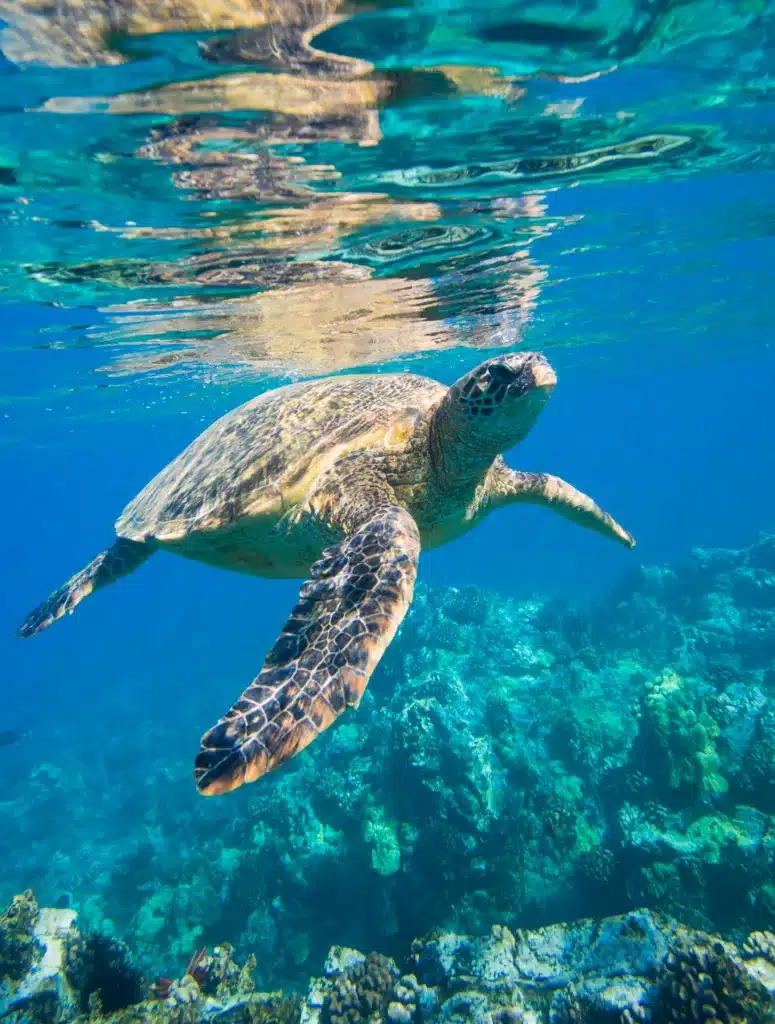
A sea turtle swims underwater, surrounded by vibrant blue water and coral formations. The sunlight filters through the water's surface, illuminating its shell and fins.
green sea turtle swimming in the ocean

Best Ka’anapali Snorkeling Spots

Ka’anapali Beach is a popular spot for snorkeling, with crystal-clear waters and several key areas to explore. Three beaches are located in the Ka’anapali area: Airport Beach, Black Rock, and Canoe Beach.

Pu’u Keka’a aka Black Rock Snorkeling Tips

Black Rock, or Pu’u Keka’a, is a top snorkeling spot at Ka’anapali Beach. The rock is known for its volcanic origin and is surrounded by a wealth of marine life. You may see sea turtles and a range of tropical fish here.

Swimming near Black Rock is safe, but always be cautious. Some brave visitors even climb and jump off the rock; be careful where you are snorkeling.

Pu’u Keka’a Pros

  • Reliable turtle sightings
  • Calm, clear water in the morning
  • Easy access from Ka’anapali Beach hotels
  • Restrooms and showers are nearby

Pu’u Keka’a Cons

  • Gets crowded quickly
  • Limited parking
  • Cliff jumping can disrupt snorkeling
  • Can be strong currents toward the point

History of Black Rock

This iconic landmark, located at the edge of Ka’anapali Beach, has long been a significant site for cultural and recreational activities. In ancient times, it served as a sacred place for Hawaiian chiefs and was believed to be a gateway for spirits to enter the afterlife.

Today, skilled cliff divers perform breathtaking leaps into the ocean, a tradition that pays homage to the area’s rich heritage.

Location and Parking

The beach is easily accessible and is located in front of the Maui Sheraton, near several resorts and hotels in the Ka’anapali area.

Regarding parking at Black Rock Beach, you have several great options. If you’re staying at one of the nearby resorts, you’ll enjoy convenient access to the beach via the scenic boardwalk along the coastline.

Public parking is available at the Sheraton, providing easy access to the beach for those visiting by car. However, parking can fill up quickly, especially during peak tourist seasons, so it’s wise to arrive early.

Another option is the parking garage at Whaler’s Village, where you can enjoy three hours of free parking if you get validation from the shops and restaurants there. This makes it a perfect spot to combine a beach day with shopping or dining!

Quick Guide to Snorkeling at at Pu’u Keka’a (Black Rock)

  • Season: Summer and early fall offer the calmest seas.
  • Time of Day: Early morning (7–10 a.m.) for best visibility and smaller crowds.
  • Tide: Snorkel around high tide for easier entry and exit, but avoid very rough surf.
  • Safest Entry: Enter from the main Ka’anapali Beach area near the Sheraton resort; sandy entry and lifeguard presence.
  • Currents: Currents can be strongest near the tip of Black Rock, especially in the afternoon or when the wind picks up.
  • Best Section: Snorkel along the north face of Black Rock (the ocean side facing away from the beach) for turtles and clear water.

If Pu’u Keka’a is crowded or rough:

Try Kahekili Beach Park (also known as Airport Beach) just north, for a similar reef structure, easier parking, and usually fewer people.
Or head south to Wahikuli Wayside Park for easy entry and space to spread out.

Our Trusted Resources


Booking.com: for booking accommodations

Viator or Get Your Guide: for all my activities

Discover Cars: for car rentals

Airalo: for eSIM card

Trainline: for booking train tickets

Vuori & prAna: great sources for travel clothes

Columbia: great clothes and accessories for outdoor adventures.

International Drivers Permit: for getting your IDP

AXA: for Travel Insurance

Hanakao’o Beach, aka Canoe Beach, Snorkeling Guide

Canoe Beach is located at the southern end of the Kaanapali beach area and offers stunning views of the ocean and neighboring islands. The waters here are usually calm, ideal for snorkeling and swimming.

A picnic area is nearby, where you can relax and enjoy the scenery. It’s also a good spot to take photos, especially at sunset.

Hanakao’o Pros

  • Less crowded than Black Rock
  • Ample parking
  • Good beginner area
  • Restrooms and picnic facilities

Hanakao’o Cons

  • Fewer fish and coral than in nearby spots
  • Sometimes murky near shore
  • Occasional canoe traffic

Location and Parking

To reach Hanakao’o Beach, also known as Canoe Beach, on Maui, head to the Ka’anapali area. If you’re coming from Lahaina, drive north on Honoapiilani Highway (Route 30) until you reach the intersection with Ka’anapali Parkway.

Turn onto Ka’anapali Parkway and follow it until you see signs for Hanakao’o Beach Park. The beach is located within the park, which offers beautiful views and a relaxed atmosphere.

As for parking, there is a convenient parking lot at Hanakao’o Beach Park, which typically has ample space. It’s a good idea to arrive early, especially during weekends or holidays, as it can get busy. The free parking makes it easy to enjoy a day of sun, sand, and water activities without fees.

Quick Guide to Snorkeling at Hanakao’o Beach (Canoe Beach)

  • Season: Summer is best; winter can bring larger swells.
  • Time of Day: Morning before the wind picks up (before 10 a.m.).
  • Tide: Mid-tide to high tide for safest and clearest water.
  • Safest Entry: Walk in from the sandy shoreline near the lifeguard tower.
  • Currents: Avoid the area near the canoe launch, where you can see more boat/canoe activity and shifting currents during events.
  • Best Section: Left (north) side of the beach near the rocky lava outcrops and further from the main swimming area.

If Hanakao’o is crowded or murky:

Visit Wahikuli Wayside Park, just a short distance north, for good amenities and often fewer crowds.
Or try Kahekili Beach Park, which typically has clear water, especially in the morning.

Wahikuli Wayside Park Snorkeling

Wahikuli Wayside Park is an excellent spot for snorkeling and relaxing by the beach. Its various marine life and good facilities make for a fun day.

Wahikuli has become one of our favorites. Its calm waters are perfect for snorkeling and swimming most of the year, especially for beginners or families. You’ll often see reef fish as well as Hawaiian green sea turtles.

The park has handy amenities like picnic tables, a parking area, and restrooms. The beach’s small waves make it safe and enjoyable for all ages.

Wahikuli Pros

  • Easy, sandy entry
  • Picnic tables, restrooms, BBQs
  • Ample parking
  • Few crowds on weekdays

Wahikuli Cons

  • Modest marine life compared to other locations
  • Close to the highway (some road noise)
  • Water clarity may suffer after rain

Location and Parking

Wahikuli Wayside Park is a beautiful and accessible spot along the scenic Honoapiilani Highway (Route 30) on Maui’s western coast, just a few miles north of Lahaina. This park features a beach area, picnic facilities, and lush greenery, making it a perfect place for a relaxing day by the ocean.

Regarding parking, Wahikuli Wayside Park offers a small parking lot directly adjacent to the park. Parking is free but can fill up quickly, especially on weekends and during peak tourist seasons.

Quick Guide to Snorkeling at Wahikuli Wayside Park

  • Season: Late spring through fall is the calmest.
  • Time of Day: Early morning for clear water and less wind.
  • Tide: Snorkel at high tide. Avoid low tide due to shallow reefs
  • Safest Entry: Sandy spots just to the right (north end) of the central parking area—look for where the beach slants gently into the water.
  • Currents: Stronger currents can occur farther from shore or after heavy winds—stay close to shore on windy days.
  • Best Section: North end of the beach park, where there is more reef structure.

If Wahikuli Wayside’s water is cloudy or busy:

Head south to Hanakao’o Beach, which has good facilities and a vast sandy stretch.
Or north to Kahekili Beach Park for better reef and water clarity.

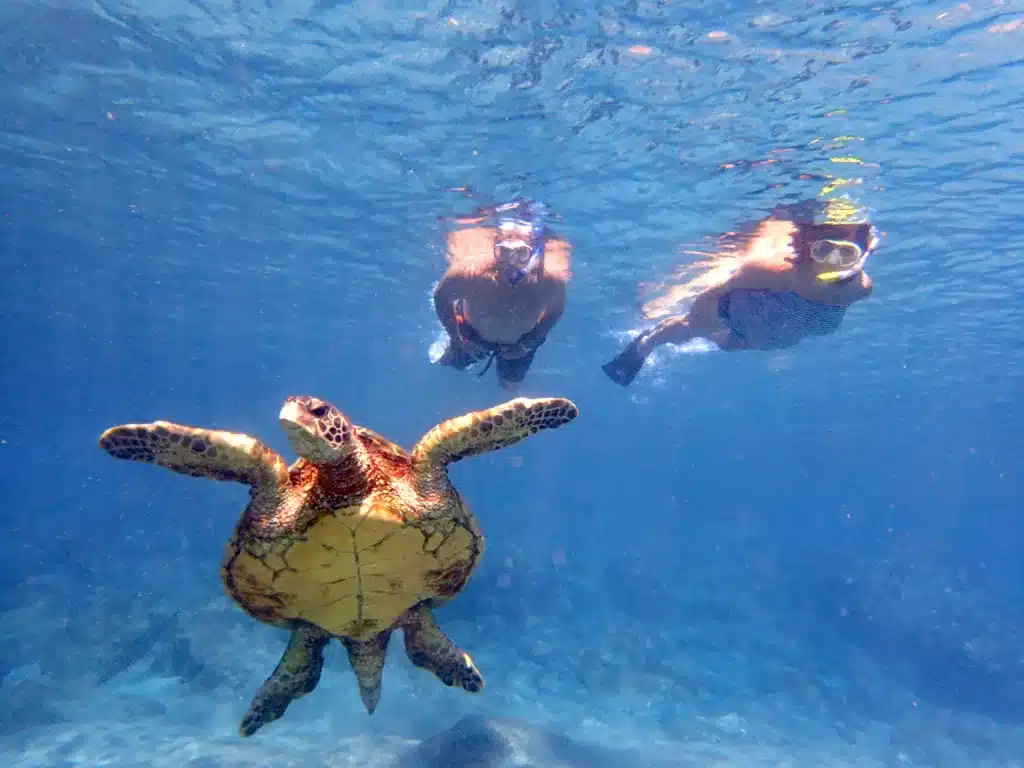
Us snorkeling, ticking off a bucket list experience, swim underwater near a sea turtle in clear blue ocean water of Maui, Hawaii.

Kahekili Beach Park, aka Airport Beach Snorkeling Spots

Kahekili Beach Park, or Airport Beach, is an excellent spot for snorkeling. It is known for its easy shore entry and its variety of tropical fish.

This spot is particularly convenient because it’s in front of the Westin Ka’anapali Ocean Resort Villas. The beach is just a short stroll away, allowing you to step out and start snorkeling directly from the shore easily.

This beach is great because you can easily walk into the water from the shore. The entry is smooth and sandy, and the water is usually calm. Not far from the beach, you will find many tropical fish and coral, making it perfect for beginners and experienced snorkelers.

Kahekili Pros

  • A large reef close to shore
  • Showers, restrooms, and a parking lot
  • Shade available
  • Good for families and beginners

Kahekili Cons

  • It can be windy by late morning
  • Parking fills by midday.
  • Less crowded than other north beaches

Location and Parking

Kahekili Beach Park, also known as Airport Beach, is located along the scenic coastline of West Maui, just north of Ka’anapali. This beautiful beach park is located near the old airport, making it convenient for both locals and visitors looking to spend a day by the ocean.

For parking, Kahekili Beach Park offers a decent-sized parking lot right next to the beach. The parking is free, but it can fill up quickly, especially during weekends and holidays, so it’s best to arrive early to secure a spot.

Quick Guide to Snorkeling at Kahekili Beach Park (Airport Beach)

  • Season: May through October gives the best ocean conditions.
  • Time of Day: Early morning (before 9 a.m.).
  • Tide: High to mid-tide. Water can get murky at low tide or after rain.
  • Safest Entry: Entry by the main public access point with restrooms—broad sandy entry, no rocks.
  • Currents: Currents can get stronger in the afternoons or farther from shore; watch for posted warnings.
  • Best Section: Snorkel straight out from the pavilion, then along the north (right, facing the water) for healthiest coral.

If parking is full or windy, at Kahekili:

Walk or drive to Black Rock to the south for calm conditions in the lee of the point.
Or go north to Kapalua Bay for a smaller, sheltered spot.

Mala Wharf Pier Snorkeling

Mala is a prime snorkeling spot, ideal for beginners and seasoned snorkelers. The area is known for its deep water and the remains of Mala Wharf. However, since the August 2023 wildfire, the ramp and area along the shore have been limited.

To make the most of your snorkeling experience at Mala Wharf, it’s best to join a tour. Tours provide the necessary gear and expert guidance, ensuring your safety.

The pier has become a haven for marine life, and guides know where to see fish, turtles, sharks, and coral formations. This area is known to have many sea turtles.

Mala Wharf Pros

  • Unique underwater structure attracts turtles and rays.
  • Great for experienced snorkelers and divers
  • Ample parking

Mala Wharf Cons

  • Rocky, tricky entry and exit
  • Not ideal for beginners
  • Occasional strong currents

Quick Guide to Snorkeling at Mala Wharf Pier

  • Season: Calmest during summer.
  • Time of Day: Early morning and late afternoon can be windier with rougher water.
  • Tide: Enter near high tide. Low tide can expose the reef and limit access.
  • Safest Entry: Wade in next to the old pier pilings where steps/slopes are gentle, avoid rocky patches.
  • Currents: Strongest current is often beyond the end of the pier and can be dangerous; stay close to shore or pier structure.
  • Best Section: Under and just south of the old pier for turtles and fish.

If Mala Wharf’s entry is rough or busy:

Drive north to Honolua Bay for rich sea life and better conditions in summer.
Or try Olowalu (Mile Marker 14) south of Lahaina for an easier beach entry and broad coral areas.

Graphic advertisement for the Ultimate Maui Guide featuring a 10-day itinerary priced at $35. The image showcases the guide on a laptop, tablet, and smartphone, coupled with a handy packing list.

Honolua Bay Snorkeling Experience

Honolua Bay is a fantastic spot for snorkeling in West Maui. You’ll enjoy its clear waters, diverse marine life, and a short rainforest walk to get there. The journey to Honolua Bay involves a beautiful walk through a rainforest. The trail is shaded and filled with lush green plants.

Honolua Bay ranks high on our list of top snorkeling spots in Maui. The marine sanctuary here offers a diverse range of fish and coral formations. It’s a popular spot, but its beauty makes the crowd worth it.

This isn’t where to lay your towel and soak up the sun. The beach is rocky and unsuitable for sunbathing. Instead, focus on the snorkeling experience.

Water shoes are highly recommended to protect your feet from the rocks.

You should check out the right side of the bay for a great chance to see turtles. Keep your eyes peeled; these magnificent creatures might be gliding through the water. Visibility improves once you move past the shallow area, opening to a beautiful underwater world.

Honolua Bay Pros

  • Healthy coral, lots of fish

    Turtle and sometimes dolphin sightings
  • Excellent visibility in summer
  • Turtle and sometimes dolphin sightings

Honolua Bay Cons

  • No facilities/restrooms at the bay
  • Poor visibility after rain
  • Walk to the entry with rocky shoreline
  • Crowded during prime months

Location and Parking

To reach Honolua Bay on Maui, start by heading north from Lahaina along the Honoapiilani Highway (Route 30). Continue driving until you see signs for Honolua Bay, near mile marker 32. As you approach, you’ll cross a bridge and a parking area on the left side.

A small parking lot is available, but it can fill up quickly. If the lot is full, you may need to look for parking along the highway, but be sure to observe any posted restrictions to avoid fines.

This area is known for car break-ins. Do not leave any valuables inside. Some recommend unlocking the car to deter thieves from breaking your car window.

It’s best to visit Honolua Bay in the early morning when it’s calm, and the snorkel tours haven’t arrived yet.

Quick Guide to Snorkeling at Honolua Bay

  • Season: May–September. Avoid the winter surf season.
  • Time of Day: Morning for glassy water and best marine life viewing.
  • Tide: High tide is best, as low tide can be rocky and make entry harder.
  • Safest Entry: Enter on the right (north) side of the bay, stepping over round stones with care; this puts you closer to clear water and the reef.
  • Currents: Sometimes stronger near the mouth of the bay (especially when surf is up); avoid far-out snorkeling during winter.
  • Best Section: Right (north) side along the rocks and cliffs, where coral and marine life concentrate.

If visibility at Honolua Bay is poor or the bay is crowded:

Check Slaughterhouse Beach just south, another north shore snorkeling gem (entry is a bit steep).
Or visit Kapalua Bay for easier access and calm water.

Kapalua Bay Snorkeling Guide

Kapalua Bay is a perfect spot for snorkeling, with calm waters, diverse marine life, and easy access, thanks to its crescent shape. It’s ideal for beginners and families with kids, especially if you enter from the left side, which is the safest.

Kapalua Bay features gentle waters, making it one of the best places for beginners. The bay is protected by lava rock formations, creating a naturally calm environment. You’ll feel confident snorkeling here as the water’s tranquility allows you to focus on observing marine life rather than struggling with waves.

When you reach Kapalua Bay, the best place to enter the water is from the left side. This side of the bay has a sandy bottom, making it easier and safer to walk into the water. The left side also tends to be less rocky, reducing the chances of stumbling or getting hurt.

One of the highlights of snorkeling at Kapalua Bay is encountering Hawaiian green sea turtles. These magnificent creatures are often found near the bay’s rocky points. You can watch them glide gracefully through the water, feeding on algae.

You’ll also see a variety of colorful reef fish. Species such as parrotfish, butterflyfish, and surgeonfish thrive in these waters.

Remember to respect wildlife. Keep a safe distance from the turtles and fish to avoid disturbing their natural habitat.

Kapalua Bay Pros

  • Calm, sheltered bay
  • Easy parking
  • Good amenities (restrooms, showers)
  • Family-friendly, gentle entry

Kapalua Bay Cons

  • Very popular, fills quickly
  • Limited marine life in shallow water
  • The small beach area gets crowded.

Location and Parking

To reach Kapalua Bay on Maui, head north from Lahaina along the Honoapiilani Highway (Route 30). Watch for signs indicating Kapalua as you drive and turn onto Office Road. Follow this road until you reach the entrance to the Kapalua Resort area. From there, continue on Kapalua Drive, leading you to the bay.

There is a designated parking lot near Kapalua Bay, which is convenient for beachgoers. However, the parking area can fill up quickly. Park along the highway, ensuring you aren’t in a restricted area and off to the side.

Once you’ve parked, it’s just a short walk to the beach, where you can enjoy the beautiful scenery, calm waters, and excellent snorkeling opportunities that Kapalua Bay offers!

After your snorkel, grab a burger and shake at the Burger Shack. It has delicious food and a beautiful view of DT Fleming Beach.

Quick Guide to Snorkeling at Kapalua Bay

  • Season: Year-round, but summer offers warmer, calmer water.
  • Time of Day: Mornings before the wind makes the water choppy (before 11 a.m.).
  • Tide: High or rising tide keeps visibility high and entry easy.
  • Safest Entry: Use the sandy beach access at the center of the bay, then swim out before heading to either side.
  • Currents: Stronger at outer edges near rocks, especially during high surf.
  • Best Section: Along the left (south) and right (north) rocky walls; these areas have most coral and fish.

If Kapalua is packed:

Head to Napili Bay (a few minutes south) for clear snorkeling water and a mellow crowd.
Or try Kahekili Beach Park, a larger space with good facilities.

Olowalu Near Mile Marker 14 Snorkeling

Olowalu, located near mile marker 14, offers some of the best snorkeling experiences in West Maui. With its ancient coral reef and diverse marine life, it’s a spot you’ll want to explore.

Olowalu Beach is home to one of the oldest coral reefs in the Hawaiian Islands. This ancient reef stretches over 450 acres and is a vital ecosystem due to its age and size. Many types of coral form intricate underwater structures here.

Olowalu Pros

  • Expansive coral gardens
  • Easy beach entry
  • Easy roadside parking
  • Less crowded than Kaanapali/Kapalua

Olowalu Cons

  • No facilities
  • It can get muddy after rain
  • Shallow reef at low tide—watch your footing
  • Limited shade

Why it’s special:

  • The reef is over 150 years old
  • Large coral formations make for excellent underwater views
  • Supports a wide variety of marine life

Snorkelers often visit this spot because the water is usually clear. You get excellent visibility to marvel at the reef.

The marine life at Olowalu is rich and varied. When you snorkel here, you can expect to encounter everything from Hawaiian green sea turtles to moray eels and octopuses.

What you’ll see:

  • Hawaiian green sea turtles: Often seen gliding gracefully through the water
  • Eels: Sometimes lurking in the crevices of coral formations
  • Sharks, including white-tipped reef sharks and Tiger Sharks, can be found in this area.

Keep your eyes peeled for octopuses, too. They are masters of camouflage but can be spotted by careful observers.

Follow the Sand Channels

Navigating Olowalu’s reef is easier if you follow the sand channels that break up the coral formations. These channels act like underwater pathways.

Why follow the channels:

  • They make it easier to swim without damaging the reef
  • They help you find your way around
  • Sand channels often attract fish and other sea creatures

Using these natural lanes will enhance your snorkeling experience. They guide you through the best spots while protecting this delicate ecosystem.

When finished snorkeling, stop at Leoada’s for the most delicious pies!  The Banana Cream and Key Lime are highly recommended.

Location and Parking

To reach Olowalu Beach, located at Mile Marker 14 on the Honoapiilani Highway (Route 30), start by heading south from Lahaina. As you drive along the highway, watch for Mile Marker 14, indicating you are close to the beach. The entrance to Olowalu Beach is just past the marker on your right.

There is a small parking area along the highway. While it’s not extensive, it typically provides enough space for visitors. Be sure to park in designated spots to avoid fines and be cautious of traffic when crossing the road to access the beach.

Quick Guide to Snorkeling at Olowalu (Mile Marker 14)

  • Season: Spring to fall is best for calm waters.
  • Time of Day: Early to mid-morning for clear, calm sea.
  • Tide: Rising to high tide for smoothest snorkeling.
  • Safest Entry: Sandy areas along the beach—avoid coral heads and shallow rocky patches.
  • Currents: Usually mild, but offshore winds can push you farther out—stay inside the outermost coral heads.
  • Best Section: Parallel to the sand channels cutting through coral; follow channels northwest for the best coral and sea turtles.

If water is murky or busy:

Go north to Wahikuli Wayside Park or Hanakao’o Beach, both less visited and easier for novice snorkelers.
Or, for a longer adventure, try a boat trip to Coral Gardens.

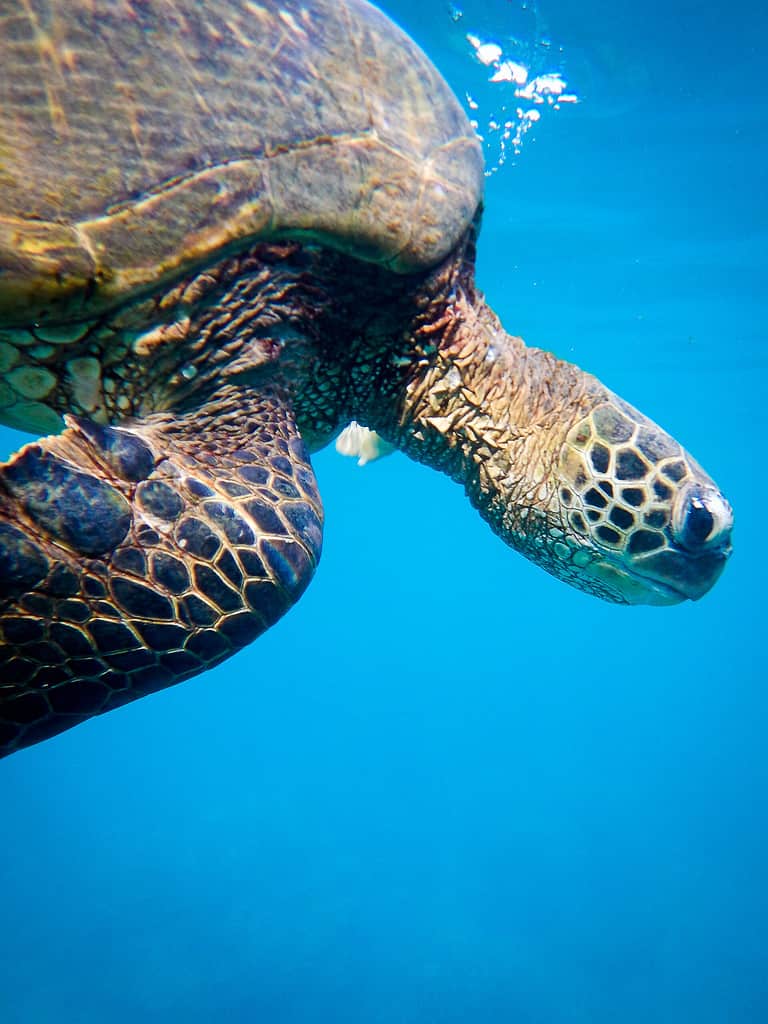
Maui green sea turtle photographed at Honolua Bay

Papalaua Wayside Park aka Coral Gardens Snorkeling

Papalaua Wayside Park is a hidden gem on West Maui. Coral Gardens is best visited by boat. This beautiful reef is teeming with colorful fish and marine life, and the clear, calm water makes it easy to spot everything.

If lucky, you might even see sea turtles swimming nearby or a monk seal sunbathing. Remember to keep a respectful distance from these fantastic creatures.

Enjoy the scenic views of the ocean and the West Maui Mountains in the background.

Papalaua Pros

  • Rich marine life, colorful coral
  • Calm, clear water (in summer)
  • Good for intermediate snorkelers

Papalaua Cons

  • Access by boat only
  • No amenities
  • Not suitable for young kids or non-swimmers

Quick Guide to Snorkeling at Coral Gardens (Boat Only)

  • Season: Summer months, as winter is rough and boat access only.
  • Time of Day: Morning for gentle seas and good light.
  • Tide: Best at medium to high tide for clear entry.
  • Safest Entry: Always enter with your tour guide’s instructions; boats usually moor at safest spot.
  • Currents: Strongest at edge of reef or near deep channels; stay near your group.
  • Best Section: Close to the drop-off and coral walls, where fish and turtles gather.

If tours to Papalaua are full or water is choppy:

Ask about boat trips to Molokini Crater, a highly rated snorkeling spot farther offshore.
Or try Honolua Bay (summer only), accessible by land and home to healthy coral and fish.

General Maui Snorkel Tips

  • Early mornings are almost always best for calm seas and good visibility.
  • Summer months tend to offer the calmest ocean conditions on Maui’s west side.
  • Always check local surf and weather reports before entering the water or moving to a new spot. The Snorkel Store provides a great one that you can get daily on Instagram.
  • Avoid snorkeling during or after rain, as runoff reduces visibility and water quality.
  • Watch for changing tides, rough surf, or posted warnings.

West Maui Snorkeling Tours

Kaanapali Snorkeling Tours offers organized trips with experienced guides. These tours provide equipment like masks, fins, and snorkels. You can see a variety of marine life, including colorful fish and coral reefs.

Some tours even include snacks and drinks. Catamaran tours are popular, but there are also rafting tours that are smaller in number and lower to the water. Booking in advance is often recommended, especially during peak seasons.

Group Snorkeling Trips

Captain Steve’s Rafting

A snorkel or snorkel and whale-watching tour with Captain Steve is highly recommended. Since August 2023, Captain Steve has been without his house, office, or rafts. Captain Steve has collaborated with Hawaii Ocean Rafting and Makai Adventures to get tour boats and depart from the Mala Wharf Ramp. Please support these small companies trying to recover from the devastating fire.

Other Snorkeling Trips

Private Snorkeling Tours Maui

Private snorkeling tours offer personalized experiences with smaller groups and attentive crew members. You’ll visit some of West Maui’s best snorkeling spots, enjoying the stunning marine life and ocean views.

Snorkeling Tips for Maui

For a great snorkeling experience in West Maui, it’s important to arrive early, pack essentials, and respect sea life. Have the right gear, follow beach rules, and check the weather.

Snorkeling should always be done with a buddy. If you’re not an expert swimmer, use a flotation device.

Avoid full-face masks and always be mindful of the coral reefs.

Arrive Early

It’s best to arrive early in the morning to get a good parking spot and avoid the crowds. The water is usually calmer, and the trade winds haven’t picked up yet. Popular snorkeling spots fill up quickly, so starting your day early ensures you get the best experience.

Pack Beach Essentials

Bringing the right items keeps your snorkeling trip enjoyable. Here’s a list of essentials: reef-safe sunscreen, a hat, sunglasses, a towel, and water shoes. Don’t forget your snorkel gear and a waterproof bag to keep your valuables dry. Also, pack enough water and snacks to keep you hydrated and energized throughout your adventure.

Respect Sea-Life

Respect for sea life is crucial during your snorkeling trip. Do not touch or chase fish and other marine creatures. Maintain a safe distance to observe them in their natural habitats. Avoid feeding the fish as it can disrupt their diets and the ecosystem. Remember, you’re a guest in their home, so act responsibly.

Don’t Step on or Touch Coral. Watch Your Fins in Shallow Areas

Coral reefs are delicate ecosystems. Even a slight touch can harm them. Make sure not to step on or touch the coral while you snorkel. Be extra cautious with your fins in shallow areas to avoid accidental contact. Damaging coral can have a lasting negative impact on marine life, so always be mindful of your surroundings.

Have the Right Equipment

Having the right equipment is vital for a comfortable snorkeling experience. You will need a mask, snorkel, and fins that fit well. A rash guard or wetsuit can provide extra protection and comfort in the water. Test your gear beforehand to ensure it fits properly and is in good condition to avoid any issues while snorkeling.

Follow Beach Rules

Beach rules are in place for everyone’s safety. Obey any posted signs and listen to lifeguards, where available. Some areas may have restrictions to protect the environment or for safety reasons. Please familiarize yourself with local guidelines and adhere to them to ensure a safe and enjoyable time for you and others.

Know the Amenities at the Beach and Plan

Before you head out, check what amenities are available at your chosen beach. Some beaches offer restrooms, showers, and shaded picnic areas. Knowing this can help you plan your day better. Make sure to bring extra supplies if your chosen spot lacks specific amenities. Planning ensures a more comfortable trip.

Know Weather Conditions

The weather can significantly affect your snorkeling experience. Check the forecast for strong currents, trade winds, or north swells, especially during winter. Calm days offer better water conditions, making it easier to see marine life. Always be aware of ocean conditions and plan your trip to stay safe.

Pack in and take out.

Avoid leaving trash behind by packing in take-out. Bring reusable containers and bags for your snacks and drinks. Make sure to clean up after yourself and dispose of any rubbish properly. Keeping the beach and ocean clean helps protect the environment and ensures future visitors can enjoy the beautiful place.

Always Snorkel with a Buddy

Snorkeling with a buddy enhances safety. They can assist you if you encounter problems or get tired. Having someone with you makes the experience more enjoyable as you can share the sights and experiences. Always stick close to your buddy, especially in open water, to ensure your safety.

Use a Flotation Device if You Are Not an Expert Swimmer

If you’re not a strong swimmer, use a flotation device for added safety. A snorkel vest or buoy can keep you afloat and conserve energy. It also makes it easier to stay calm and enjoy the marine life without worrying about staying afloat.

Do Not Use a Full Face Mask

Full-face masks can present risks, such as CO2 buildup and difficulty clearing water if it enters. Traditional snorkel masks are a safer and more effective option. They provide better airflow and are easier to manage. Stick to the standard mask and snorkel setup for a safer snorkeling experience.

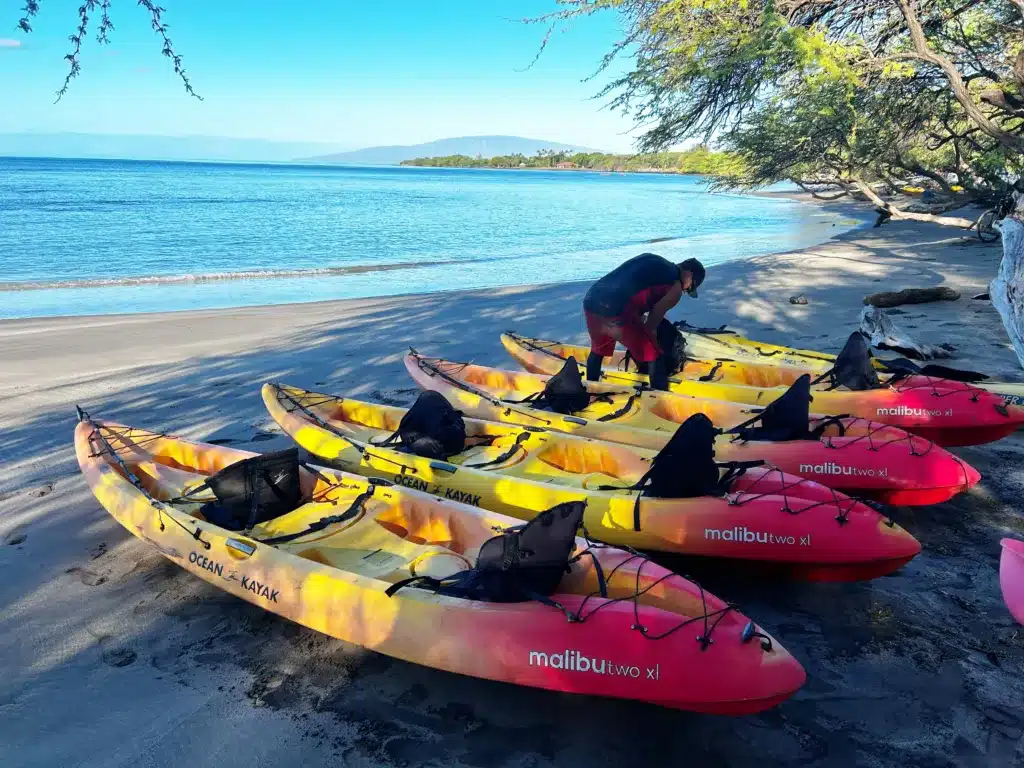
A person prepares yellow and red kayaks lined up on a sandy beach next to calm blue water with trees in the background.

Snorkeling Gear Shops in Maui

You’ll need the right gear when planning your snorkeling trip in West Maui. Luckily, several great rental shops can provide everything you need.

Best Rental Shops

Snorkel Bob’s is a popular choice. They offer quality gear and have multiple locations throughout Maui. You can rent masks, fins, and snorkels. They also provide tips on the best snorkeling spots.

Auntie Snorkel is our choice. Their equipment is new, and it’s a one-stop shop for snorkel gear and beach gear. We rent a wagon, beach chairs, a cooler, and an umbrella every trip.

The Snorkel Store is another excellent option. It offers a wide range of gear, including wetsuits, and its knowledgeable staff can help you find the perfect fit for your needs.

Check their daily water conditions report for West and South Maui.

Boss Frog’s stands out for its excellent customer service. They provide high-quality gear and also rent underwater cameras. This is a great place to get advice on snorkeling locations.

Final Thoughts on West Maui Snorkeling

For advanced snorkelers, the following three beaches are the best for snorkeling in West Maui.

  1. Honolua Bay
  2. Wahikuli Wayside
  3. Olowalu

Always use caution when snorkeling, be aware of the changes in the ocean, know your limits, and don’t touch the marine life or coral.

Frequently Asked Questions about West Maui Snorkeling

When snorkeling in West Maui, you might have many questions about locations, tours, and marine life. Here, you will find specific answers to help make your snorkeling experience the best.