

20 Best Things to Do in Belfast, Northern Ireland’s Capital
Planning a trip to Belfast and wondering which attractions are actually worth your time? From historic neighborhoods and fascinating museums to scenic coastal day trips, Belfast offers much more than you might expect.
After exploring Belfast myself, four experiences stood out: wandering through the Cathedral Quarter, taking a Black Cab Political Tour, visiting Titanic Belfast, and heading along the coast to the Giant’s Causeway.
Each offered something different. The Cathedral Quarter was perfect for soaking up the city’s atmosphere, while the Black Cab Tour provided a deeper understanding of Belfast’s complicated history. Titanic Belfast brought the city’s shipbuilding heritage to life, and the Giant’s Causeway was a memorable escape along Northern Ireland’s dramatic coastline.
In this guide, I’m sharing 20 of the best things to do in Belfast, including my personal favorites, must-see attractions, and practical tips to help you decide what’s worth adding to your itinerary.
Whether you have one day or an entire weekend, you’ll find plenty of ideas to plan a Belfast trip that fits your interests.
Affiliate Disclaimer: Some links on this blog are affiliate links. This means that, at no additional cost, the author may earn a small commission if you purchase through these links. As an Amazon Associate, I earn from qualifying purchases.
My 4 Favorite Things to Do in Belfast and Beyond
If you’re visiting Belfast for the first time and aren’t sure where to start, these are the four experiences I enjoyed most.
| Experience | Why I Loved It |
|---|---|
| Cathedral Quarter | Traditional pubs, street art, and the lively social atmosphere reminded me of London. |
| Black Cab Political Tour | Hearing about Belfast’s complicated history gave me a deeper understanding of the city. |
| Titanic Belfast | The interactive exhibits and fascinating history of Belfast’s shipbuilding industry were highlights. |
| Giant’s Causeway Day Trip | The stunning coastal drive and extraordinary rock formations made the entire day memorable. |
CT Tip: If you only have one day in Belfast, prioritize the Cathedral Quarter, a Black Cab Political Tour, and Titanic Belfast. With two or three days, you’ll have time to explore the city’s museums, markets, and neighborhoods. Save the Giant’s Causeway for a separate coastal excursion.
1. Take a Black Cab Political Tour

One of my most memorable experiences in Belfast was taking a Black Cab Political Tour. If you want to understand the city’s history beyond its famous attractions, I highly recommend adding this experience to your itinerary.
Before visiting, I knew about the conflict in Northern Ireland, commonly called the Troubles. But hearing about it while traveling through the neighborhoods where so much of that history unfolded gave me a completely different perspective.
What struck me most was how closely religion, political identity, and national loyalty were connected. I found it fascinating to learn how Protestant communities were historically associated with loyalty to the United Kingdom, while Catholic communities were more commonly associated with Irish nationalism.
The tour helped me understand that the conflict wasn’t simply about religious beliefs. It was also about identity, civil rights, and whether Northern Ireland should remain part of the United Kingdom or become part of a united Ireland.
Depending on your tour, you may visit the political murals along the Falls and Shankill Roads and see the Peace Wall that still separates parts of the city’s communities.
CT Tip: Take this tour early in your Belfast visit. It provides historical context that can change how you experience the rest of the city.
Keep in mind that guides may share different perspectives on the conflict. Approach the experience with curiosity and an open mind.
2. Explore the Political Murals of Belfast

Belfast’s political murals offer a powerful look into the city’s history, identity, and the communities affected by the Troubles.
Some of the most famous murals are found along Falls Road and Shankill Road in West Belfast. They reflect different political perspectives, commemorate important figures and events, and tell stories about the city’s divided past.
Along Falls Road, you’ll find republican and nationalist murals, including the well-known Bobby Sands mural and the International Wall, where artwork addresses political and social issues from around the world.
Shankill Road is known for its unionist and loyalist murals, which offer another perspective on Northern Ireland’s history.
You don’t need to book a tour to see Belfast’s political murals. You can explore the neighborhoods on your own and take time to appreciate the artwork.
However, many Black Cab Political Tours include stops at the murals, with guides explaining their history and significance.
CT Tip: If you’re exploring independently, visit both Falls Road and Shankill Road to see different perspectives on Belfast’s history. These murals are in residential neighborhoods, so be respectful when taking photographs.
3. Visit Belfast’s Peace Walls
One of the most thought-provoking sights in Belfast is the Peace Walls, also called Peace Lines.
These barriers separated predominantly nationalist and unionist communities during the Troubles. Although the 1998 Good Friday Agreement helped end much of the violence, several walls remain today.
The best-known section for visitors runs along Cupar Way in West Belfast, between the Falls Road and Shankill Road.
Covered in colorful graffiti, signatures, and messages of peace, the wall has become a place where visitors can reflect on Belfast’s complicated history and hopes for the future.
You can visit the Peace Walls independently without booking a tour. Many Black Cab Political Tours also stop here, giving visitors an opportunity to hear about the barriers and the communities they separated.
CT Tip: If you’re exploring the Peace Walls on your own, visit during daylight hours and check your walking route in advance. Some gates connecting the neighborhoods close at certain times. Allow yourself time to read the messages and reflect on this important part of Belfast’s history.
4. Discover History at the Ulster Museum

Located beside the Botanic Gardens, the Ulster Museum is one of the best free attractions in Belfast.
The museum covers:
- Northern Irish history
- Art collections
- Natural history exhibits
- The Troubles
Plan at least an hour or two to explore.
5. Wander Through St. George’s Market
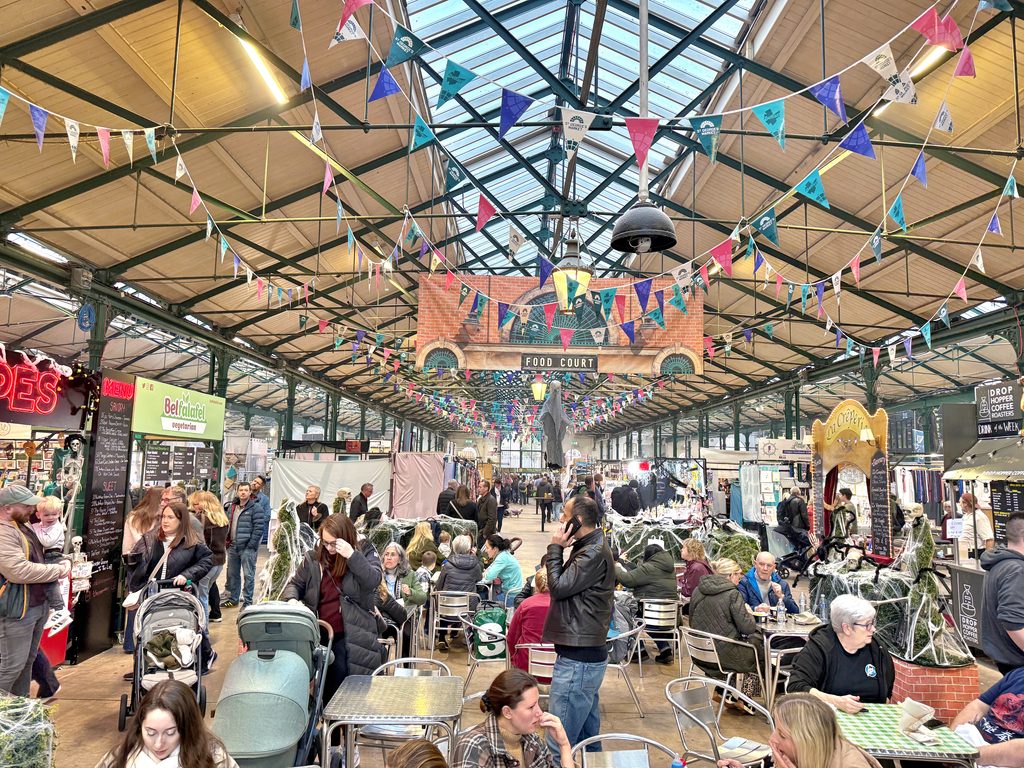
If you love local food and crafts, don’t miss St. George’s Market.
This historic covered market dates back to the 1800s and is one of Belfast’s most popular weekend spots.
You’ll find:
- Local produce
- Street food vendors
- Handmade crafts
- Live music
It’s the perfect place to grab breakfast or lunch while exploring the city.
6. Relax at Botanic Gardens
Need a break from museums and city streets?
Head to the Botanic Gardens, a peaceful green space near Queen’s University.
The highlight is the Palm House, a beautiful Victorian glasshouse filled with tropical plants.
It’s a great place for a relaxed stroll or picnic.
Book Lodging
Elevate your travel experience by reserving the ideal accommodation with Booking.com. Discover a range of hotels that suit your preferences, including location and budget.
Plan your Bucket List Activities
Discover the beauty of your travel destination through guided tours and activities available on Viator. Immerse yourself in the local culture and history.
Rent Your Car
Discover Cars delivers hassle-free car rental solutions, allowing you to explore your destination at your leisure. Embrace the freedom to travel and find hidden treasures along the way.
7. Explore the Belfast City Hall

Right in the center of the city, Belfast City Hall is hard to miss.
The impressive Baroque-style building sits in Donegall Square and offers free guided tours that explain Belfast’s history and architecture.
The surrounding gardens are also worth exploring, especially if you want a relaxing break while sightseeing.
8. Visit the Titanic Belfast Museum
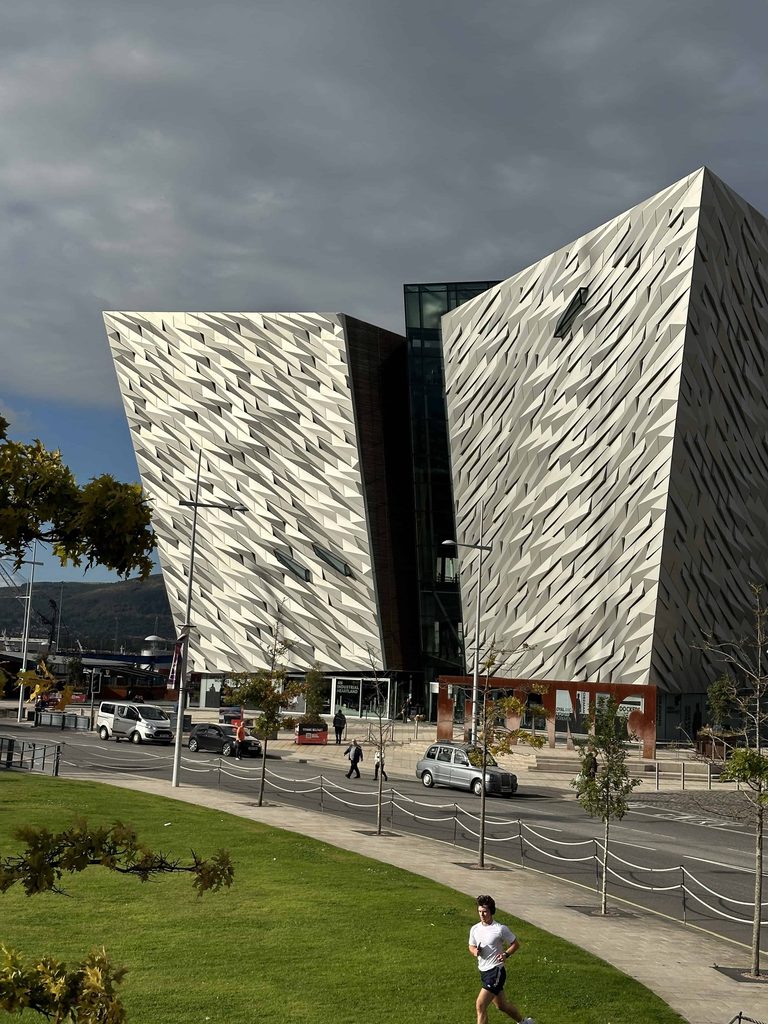
You probably know the tragic story of the Titanic sinking in 1912. But did you know the famous ocean liner was built right here in Belfast?
Visiting Titanic Belfast gave me a completely different perspective on the ship’s history. I was familiar with the sinking, but I hadn’t realized how important the shipbuilding industry was to Belfast.
The museum explores the city’s industrial past, the construction of the Titanic at the Harland & Wolff shipyard, and the people whose work helped make Belfast a major shipbuilding center.
One of my favorite parts was the interactive exhibits. Instead of simply reading displays about the Titanic, you get a much better sense of the ship’s enormous scale and the work involved in building it.
Of course, the museum also covers the Titanic’s maiden voyage and tragic sinking. But for me, learning about the ship’s construction and Belfast’s shipbuilding heritage was what made the experience especially memorable.
CT Tip: Don’t visit Titanic Belfast expecting only a museum about the sinking. Allow at least two to three hours to explore the interactive exhibits and discover the fascinating story of how Belfast built one of the world’s most famous ships.
Tip: Book tickets in advance, especially during summer or weekends.
9. Tour Crumlin Road Gaol

For another powerful look into Belfast’s past, visit Crumlin Road Gaol.
This former prison operated for over 150 years and now offers guided tours that explain the stories of the people held there and the prison’s role during the Troubles.
It’s a fascinating stop for anyone interested in Irish history.
10. Explore Queen’s University Belfast
Queen’s University Belfast is one of the city’s most impressive architectural landmarks, located in South Belfast’s Queen’s Quarter.
The highlight is the Lanyon Building, a beautiful red-brick building designed by architect Sir Charles Lanyon and completed in 1849. Its Tudor-Gothic architecture makes it a popular photo spot.
If you’re exploring this part of Belfast, combine a stop at the university with a visit to the nearby Botanic Gardens and the Ulster Museum.
CT Tip: If you enjoy historic architecture, make time to admire the Lanyon Building while exploring Queen’s Quarter. It’s an easy addition to a Botanic Gardens visit.
Travel insurance is essential for protecting yourself against unexpected events like trip cancellations, medical emergencies, or lost luggage. It provides peace of mind, ensuring you’re financially covered in case plans go awry, letting you focus on enjoying your trip.
We recommend using AXA Partners or Safety Wing for travel insurance.
11. Take a Day Trip to the Giant’s Causeway
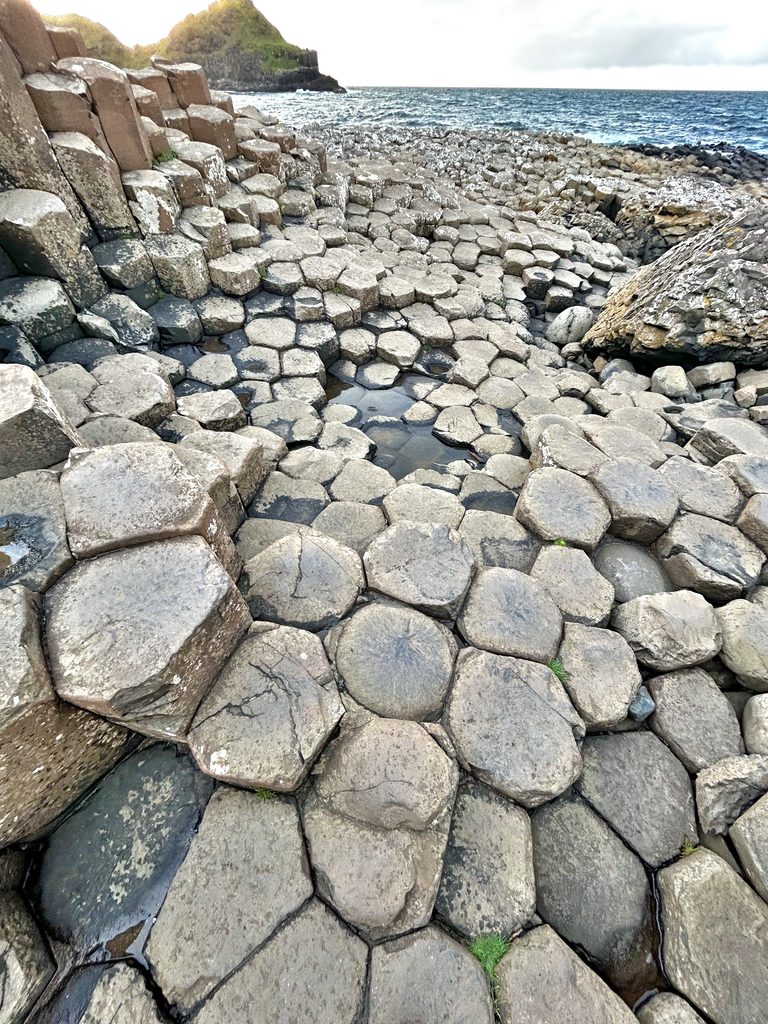
If you have extra time in Northern Ireland, I highly recommend visiting the Giant’s Causeway, a UNESCO World Heritage Site along the spectacular Antrim Coast.
We spent two days exploring this beautiful coastline, and the Giant’s Causeway was one of my favorite stops.
The site is famous for its approximately 40,000 interlocking basalt columns, many with distinctive hexagonal shapes. Formed by volcanic activity millions of years ago, these unusual rock formations are even more impressive in person.
But I loved the Irish folklore surrounding the causeway just as much.
Legend says the giant Finn McCool built a stone pathway across the sea to Scotland to confront a rival giant. When he realized how enormous his opponent was, Finn’s clever wife disguised him as a baby, frightening the rival into retreating.
Standing among those extraordinary columns, I couldn’t help imagining the legendary giant building his pathway across the sea.
The journey is another reason to visit. Northern Ireland’s Antrim Coast is filled with dramatic cliffs, picturesque villages, and beautiful coastal scenery.
You can visit the Giant’s Causeway on a full-day trip from Belfast, either independently or with an organized tour.
CT Tip: Don’t try to squeeze the Giant’s Causeway into your regular Belfast sightseeing days. I recommend spending two to three days exploring Belfast itself, then adding at least one extra day for the Antrim Coast. If your schedule allows, spend two days exploring the coastline, as we did. The scenery deserves more than a quick stop.
12. Climb Belfast Castle and Cave Hill Country Park
Belfast Castle sits on the slopes of Cave Hill, offering panoramic views of the city. The castle is a beautiful landmark, but the surrounding Cave Hill Country Park is equally spectacular. It’s great for hiking, picnics, and exploring the “Napoleon’s Nose” viewpoint.
13. Visit St. Anne’s Cathedral
Known as Belfast Cathedral, St. Anne’s Cathedral is a stunning example of Romanesque architecture. Located in the Cathedral Quarter, it’s known for its intricate design and beautiful mosaics. Step inside to admire the craftsmanship and enjoy a moment of peace.
14. Catch a Show at the Grand Opera House

The Grand Opera House is one of Belfast’s most iconic cultural escapes. Its beautiful building dates back to the late 1800s but is still a thriving venue for live music, plays, and performances. Check their schedule to enjoy one of the best things to do in Belfast for a night out.
15. Wander the Cathedral Quarter

One of my favorite places to explore in Belfast is the Cathedral Quarter. With its traditional pubs, colorful street art, cobblestone streets, and lively atmosphere, it’s a neighborhood you won’t want to miss.
As someone who loves London, the Cathedral Quarter reminded me of some of my favorite London neighborhoods. There’s something special about the pub culture, where people gather outside, listen to live music, and talk with friends.
I loved wandering through the streets, discovering the murals and street art, and soaking up the atmosphere. It’s the kind of place where you can easily spend an afternoon without a strict itinerary.
Be sure to explore the narrow alleyways, including Commercial Court, where you’ll find colorful decorations, historic pubs, and plenty of character.
CT Tip: Save time to explore the Cathedral Quarter in the late afternoon or evening. Wander through the streets to admire the street art, then settle into a traditional pub for a drink and some live music. It’s one of the best ways to experience Belfast’s social atmosphere.
16. Stroll Through Victoria Park
For a peaceful escape from Belfast’s busy streets, Victoria Park in East Belfast offers walking paths, green spaces, and birdwatching opportunities.
The park opened in 1906 and features a lake surrounded by walking trails. Look out for swans, ducks, herons, and other water birds.
Victoria Park also connects to East Belfast’s wider greenway network, making it a good option for travelers who enjoy walking or cycling.
CT Tip: Consider Victoria Park if you’re spending extra time in East Belfast or want to explore the Connswater Community Greenway. It’s not a must-see stop on a short city-center itinerary, but it offers a quieter side of Belfast.
17. Spot the Samson & Goliath Cranes

The iconic Samson and Goliath Cranes dominate Belfast’s skyline. Located in the Titanic Quarter, these giant yellow structures are a nod to the city’s shipbuilding past. You can’t miss these famous landmarks even if you don’t visit the dry dock or Titanic Slipways.
18. Explore CS Lewis Square
Fans of The Chronicles of Narnia will enjoy discovering CS Lewis Square in East Belfast.
Dedicated to Belfast-born author C.S. Lewis, this public square features seven bronze sculptures inspired by The Lion, the Witch and the Wardrobe, including Aslan, Mr. Tumnus, and the White Witch.
The square is located beside the EastSide Visitor Centre, where you can find information about local attractions and self-guided walking routes.
It’s a fun stop for families, literature lovers, and anyone interested in discovering Belfast’s connections to famous writers.
CT Tip: If you’re a Narnia fan, combine CS Lewis Square with a walk around East Belfast. The EastSide Visitor Centre is a good starting point for exploring the neighborhood’s literary and cultural history.
19. See the Albert Memorial Clock
The Albert Memorial Clock is Belfast’s answer to the Leaning Tower of Pisa. This beautiful landmark is located in the city center and is slightly tilted due to its foundations. It’s a quick stop but worth seeing as part of your walk through Belfast.
20. Photograph ‘The Salmon of Knowledge.’
This quirky sculpture is one of Belfast’s most photographed attractions. Known locally as “The Big Fish,” the Salmon of Knowledge tells Belfast’s story through ceramic tiles. It’s located near the River Lagan, another great area to explore.
More Top Things to Do in Belfast
Colin Glen Forest Park: A great place for nature escapes and outdoor activities.
Linen Hall Library: Discover literary works and local history at this charming spot.
Mourne Mountains: If you love beautiful scenery and outdoor adventures, consider a day trip to the Mourne Mountains in County Down. Part of the Mourne Gullion Strangford UNESCO Global Geopark, this mountain range is known for its dramatic granite peaks, scenic walking trails, and views of the Irish Sea. Explore the seaside town of Newcastle, enjoy a walk through Tollymore Forest Park, or discover the peaceful scenery around Silent Valley Reservoir. Plan this as a separate excursion from Belfast rather than combining it with the Giant’s Causeway.
How to Get to Belfast
Belfast is easy to reach by plane, train, bus, or ferry, making it a convenient destination whether you’re traveling from elsewhere in the UK, Ireland, or overseas.
Flying to Belfast
Belfast has two airports:
- George Best Belfast City Airport (BHD): The closest airport to the city center, with convenient transport connections.
- Belfast International Airport (BFS): Located farther from the city center, with bus services connecting travelers to central Belfast.
If you’re arriving from North America, you may find it easier to fly into Dublin and continue to Belfast by train or bus.
Traveling from Dublin to Belfast
Belfast is approximately two hours from Dublin by direct train or express coach, depending on the service and traffic.
The Enterprise train connects Dublin Connolly with Belfast Grand Central Station. Direct coaches also operate between Dublin Airport and Belfast.
Arriving by Ferry
Ferries connect Belfast with Cairnryan in Scotland and Liverpool in England. This can be a convenient option if you’re combining Northern Ireland with a wider UK road trip.
CT Tip: If you’re visiting both Dublin and Belfast, consider traveling between the cities by train. It’s a convenient way to explore both capitals without renting a car.
If you’re including Belfast in a larger UK adventure, understanding the train system can make planning much easier. My UK train travel resources will help you feel more confident navigating train stations, choosing routes, and organizing your journey.
How Many Days Do You Need in Belfast?

I recommend spending 2–3 days in Belfast, especially if you’re visiting for the first time.
I’ve visited Belfast several times, and we typically spend two to three days exploring the city. This gives us time to experience its fascinating history, visit the major attractions, and enjoy the traditional pubs and lively atmosphere of the Cathedral Quarter.
With two days, you can visit Titanic Belfast, take a Black Cab Political Tour, explore the Cathedral Quarter, and see several other city highlights.
With three days, you’ll have more time to explore Belfast’s museums, neighborhoods, markets, and historic landmarks without feeling rushed.
If you’re also planning to visit the Giant’s Causeway, I recommend setting aside extra time. We actually spent two days exploring Northern Ireland’s beautiful Antrim Coast, and it was one of my favorite experiences in the region.
CT Tip: Plan two to three days for Belfast itself. If the Giant’s Causeway is on your bucket list, add at least one extra day for a coastal excursion. If you have time, spend two days exploring the Antrim Coast rather than rushing through the scenery.
Suggested 3-Day Belfast Itinerary
Day 1: History and the Cathedral Quarter
Take a Black Cab Political Tour, explore the city center, see street art, and enjoy traditional pubs and live music.
Day 2: Titanic Belfast and City Highlights
Visit Titanic Belfast, the Titanic Quarter, Belfast City Hall, and enjoy restaurants or additional attractions.
Day 3: Markets, Museums, and Neighborhoods
Visit St. George’s Market (when open), the Ulster Museum, the Botanic Gardens, and enjoy more time in Belfast at your own pace.
Not sure how to organize your sightseeing without feeling rushed? My guide on how to create a travel itinerary walks you through choosing your priorities, grouping nearby attractions, and building a flexible schedule that leaves room for spontaneous discoveries.
Best Time to Visit Belfast
Belfast is a year-round destination, but the best time to visit depends on what you want to experience.
May through September generally offers the mildest weather and longer daylight hours. This is a great time to explore Belfast’s neighborhoods, visit outdoor attractions, and take day trips along the Antrim Coast.
Spring and autumn can be particularly appealing if you prefer fewer summer crowds while still enjoying city sightseeing.
Winter brings shorter days and cooler temperatures, but Belfast’s traditional pubs, museums, and seasonal festivities make it an enjoyable city break.
Rain is possible year-round, so pack a waterproof jacket and comfortable walking shoes no matter when you visit.
CT Tip: If you’re planning to combine Belfast with a Giant’s Causeway road trip, consider visiting between late spring and early autumn. The longer daylight hours give you more time to enjoy the coastal scenery and sightseeing stops.
Belfast’s weather can be unpredictable, so pack layers, comfortable walking shoes, and a waterproof jacket. My Europe packing list will help you prepare for everything from city sightseeing to coastal adventures without overpacking.
Day Trips from Belfast

- Giant’s Causeway: A UNESCO World Heritage Site featuring unique basalt columns. It’s a must-see day trip.
- Mourne Mountains: Explore dramatic mountain scenery, beautiful hiking trails, and the seaside town of Newcastle on a day trip south of Belfast.
- Game of Thrones Locations: Take a tour to explore iconic filming locations in the surrounding area.
- Carrick-a-Rede Rope Bridge: A thrilling coastal walk near the Giant’s Causeway.
- Castle Ward and Strangford Lough: Visit this National Trust site, known for its rich history and beautiful gardens.
Best Tours for Things to Do in Belfast
- Titanic Belfast Guided Tour: Learn the story of the RMS Titanic and its maiden voyage.
- Black Taxi Tour: Explore the history of Falls Road, Shankill Road, and the Peace Walls in an iconic taxi.
- Crumlin Road Gaol Tour: A tour of this jail-turned-visitor attraction gives insight into Belfast’s past.
- Street Art Walking Tour: Discover hidden gems and murals by local artists in the Cathedral Quarter.
- Food and Drink Tours: Sample fresh produce, local whiskeys, and craft beers in Belfast City Centre.
- Sightseeing Hop-on Hop-off Bus Tour is a great way to get to know the city and to use as transportation.
Best Pubs in Belfast for Traditional Music and Atmosphere

One of my favorite things about Belfast is its traditional pub culture. As someone who loves London’s historic pubs, I felt right at home in Belfast.
I love the atmosphere of people gathering with friends, listening to live music, and enjoying a good conversation. And Belfast has plenty of pubs where you can experience exactly that.
Whether you’re looking for traditional Irish music, a historic pub, or a lively evening in the Cathedral Quarter, these are some of the best pubs in Belfast to add to your itinerary.
The Duke of York
Tucked away along Commercial Court in the Cathedral Quarter, The Duke of York is one of Belfast’s most recognizable traditional pubs.
Its narrow cobblestone surroundings, colorful decorations, and historic atmosphere make it worth visiting, even if you’re just stopping for a drink.
The surrounding streets are also some of my favorite places to wander in Belfast.
The Dirty Onion
Located in the Cathedral Quarter, The Dirty Onion is a great choice for traditional Irish music and a lively pub atmosphere.
With its rustic character, outdoor courtyard, and regular live music, it’s an inviting place to spend an evening.
The Harp Bar
Another Cathedral Quarter favorite, The Harp Bar is known for its colorful interior, traditional pub atmosphere, and live music.
It’s a fun option if you want to experience Belfast’s nightlife without heading to a nightclub.
The Crown Liquor Saloon
If you appreciate historic pubs, don’t miss The Crown Liquor Saloon on Great Victoria Street.
This beautifully preserved Victorian pub is famous for its ornate interior, stained glass, decorative tiles, and traditional wooden snugs.
It’s worth visiting just to admire the architecture and craftsmanship.
Kelly’s Cellars
Kelly’s Cellars is one of Belfast’s oldest pubs, dating back to the 18th century.
Known for its traditional atmosphere and Irish music sessions, it’s a wonderful choice if you prefer a historic pub with plenty of character.
Fibber Magee’s
For another traditional Irish music experience, consider Fibber Magee’s near Great Victoria Street.
This cozy pub is known for its lively music sessions and welcoming atmosphere.
It’s a good option for visitors staying near The Fitzwilliam Hotel or Grand Central Hotel.
The John Hewitt
Located in the Cathedral Quarter, The John Hewitt is a traditional pub with a strong connection to Belfast’s literary and cultural history.
It’s a good place to enjoy a drink, conversation, and occasional live performances.
Bittles Bar
One of Belfast’s most distinctive pubs, Bittles Bar is known for its unusual triangular building and intimate interior.
It’s a fun stop for anyone who appreciates quirky architecture and traditional pub character.
Bullitt
If you’re in the mood for something more contemporary, Bullitt offers a different experience from Belfast’s traditional pubs.
This stylish city-center hotel offers social drinking spaces and a more modern atmosphere, making it a great alternative for cocktails.
My Suggested Belfast Pub Crawl
If you want to experience several Belfast pubs in one evening, I’d recommend starting in the Cathedral Quarter.
Begin at The Duke of York, then explore nearby options like The Dirty Onion, The Harp Bar, and The John Hewitt.
Enjoy the colorful streets and lively atmosphere without traveling far between stops.
For a different experience, visit The Crown Liquor Saloon and Fibber Magee’s near Great Victoria Street.
CT Tip: Don’t rush from pub to pub just to check them off your list. One of the things I love most about Belfast is the social atmosphere. Choose a couple of traditional pubs, listen to some music, and enjoy the conversations around you. That’s part of what makes Belfast special.
Take a Historical Pub Walking Tour in Belfast
One of the highlights of our Belfast trip was taking a historical pub walking tour. Since I love traditional pubs and discovering the stories behind the places we visit, this was a great combination.
Rather than simply going from pub to pub, our guided walking tour introduced us to Belfast’s history and the stories behind its historic drinking establishments.
I loved learning more about the city while experiencing its pub culture firsthand. It’s a different way to explore Belfast, especially if you enjoy local history, historic buildings, and traditional pubs.
If you’re visiting Belfast for the first time, I’d recommend considering a historical pub walking tour. It’s a fun way to discover places you might otherwise walk past without knowing their significance.
CT Tip: Schedule a historical pub walking tour early in your Belfast visit. You’ll discover the stories behind the city’s pubs and can return later for live music, a drink, and good conversation.
Foods to Try in Belfast
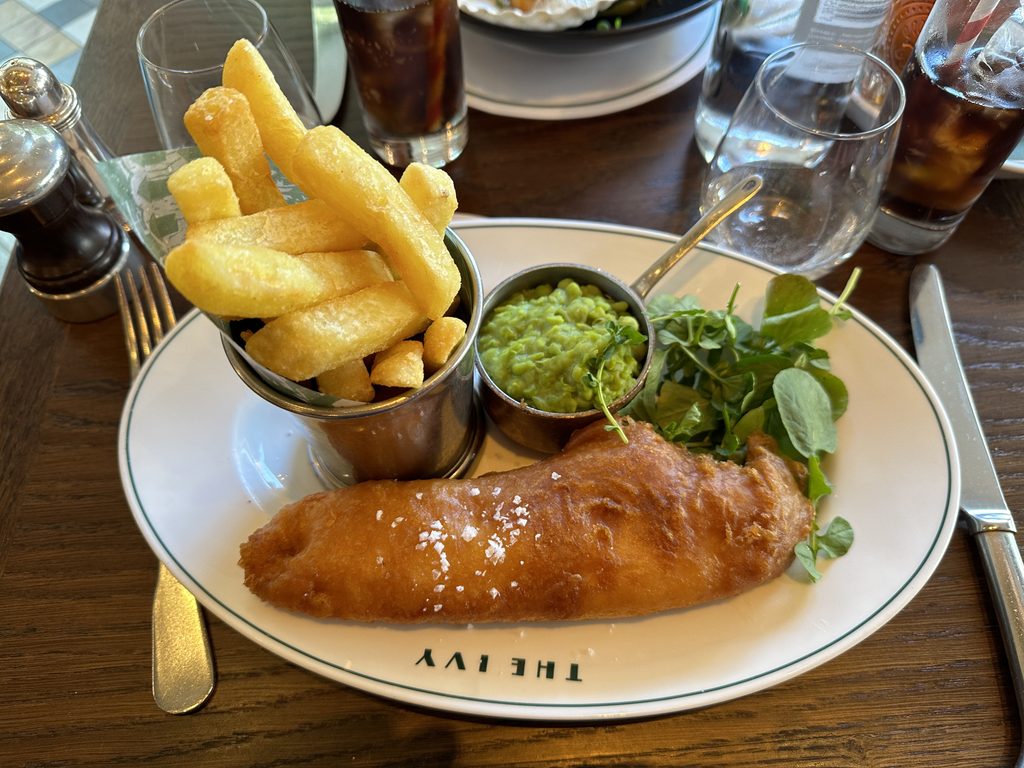
- Ulster Fry: A hearty breakfast with soda bread and potato farls.
- Champ: Creamy mashed potato with scallions.
- Boxty: Traditional potato pancake.
- Seafood: Fresh oysters and smoked salmon are local specialties.
- Belfast Bap: A soft bread roll filled with bacon and egg or fresh fillings.
Visit St. George’s Market for unique fresh produce, local snacks, and authentic flavors.
Where to Stay in Belfast: My Hotel Recommendations
If you’re visiting Belfast for the first time, I recommend staying in the city center. You’ll be within walking distance of restaurants, traditional pubs, shopping, and many of the city’s main attractions.
I’ve stayed at both The Fitzwilliam Hotel Belfast and The Grand Central Hotel during my visits. Both are excellent upscale choices, and they’re located close to each other in central Belfast.
The Fitzwilliam Hotel Belfast

The Fitzwilliam Hotel Belfast is a five-star boutique hotel on Great Victoria Street, next to the Grand Opera House.
Its central location makes it a convenient base for exploring Belfast. You’ll be close to restaurants, shopping, and many of the city’s attractions.
Check availability at The Fitzwilliam Hotel Belfast
The Grand Central Hotel Belfast
The Grand Central Hotel is another five-star option in the heart of Belfast, just a short walk from The Fitzwilliam.
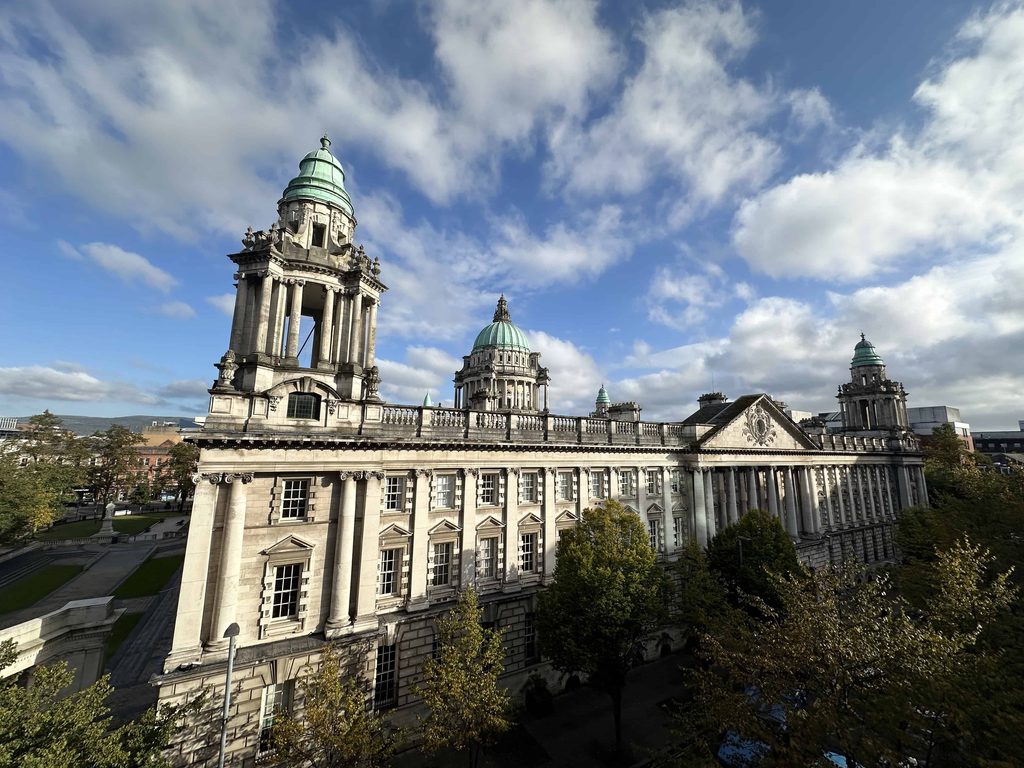
One of my favorite things about staying at the Grand Central was the fantastic view of Belfast City Hall. Seeing the city from above was a memorable part of our stay.
The hotel also has The Observatory, a rooftop cocktail bar with panoramic views across Belfast.
Which Belfast Hotel Would I Choose?
I’ve enjoyed staying at both hotels and would happily recommend either one.
Since they’re so close, you won’t notice much difference in convenience when exploring the city center.
If beautiful city views are important to you, I’d give the Grand Central a slight edge based on my experience.
CT Tip: When booking the Grand Central Hotel, consider requesting a room with a view of Belfast City Hall. I loved that view during our stay, although room views depend on the category and availability.
How to Get Around Belfast
Belfast is a relatively compact city, and many of its main attractions are within walking distance of the city center.
Walking: Exploring on foot is one of the easiest ways to experience Belfast’s central neighborhoods, including the Cathedral Quarter, City Hall, and the shopping districts.
Public Transportation: Translink operates Metro buses throughout Belfast, along with Glider services connecting several neighborhoods and attractions. Public transportation is useful for reaching places outside the immediate city center.
Taxis: Taxis are convenient for longer journeys or when you want to avoid additional walking. Black Cab Political Tours are also a popular way to explore Belfast’s history with a local guide.
Hop-On Hop-Off Bus: A sightseeing bus can be useful for first-time visitors who want an overview of the city’s major attractions without planning every transportation connection.
Rental Car: You don’t need a rental car for most sightseeing in central Belfast. However, a car can help if you plan to explore the Antrim Coast, Giant’s Causeway, or other destinations around Northern Ireland.
CT Tip: Stay in Belfast’s city center and explore the main attractions on foot or by public transportation. Save the rental car for coastal road trips and destinations outside the city.

FAQ: About Belfast Things to Do
Top things to do in Belfast include visiting Titanic Belfast, taking a Black Cab Political Tour, exploring the Cathedral Quarter, and discovering the city’s political murals and Peace Walls.
My personal favorites are the Cathedral Quarter, Black Cab Tour, and Titanic Belfast. Each offers a different perspective on Belfast’s culture and history.
I recommend spending two to three days exploring Belfast, especially if it’s your first visit.
Two days give you enough time for the major attractions, including Titanic Belfast, a Black Cab Political Tour, and the Cathedral Quarter. With three days, you can also explore museums, markets, and neighborhoods at a more relaxed pace.
If you want to visit the Giant’s Causeway, plan at least one additional day.
Absolutely! Belfast is a fascinating destination for travelers interested in history, culture, traditional pubs, and local experiences.
I’ve visited several times and particularly enjoy the Cathedral Quarter’s atmosphere, the city’s fascinating history, and its connection to the Titanic.
Belfast also makes an excellent starting point for exploring Northern Ireland’s beautiful Antrim Coast.
Yes. The Giant’s Causeway is approximately 90 minutes from Belfast by car, depending on your route and traffic.
You can visit independently or join an organized day tour, many of which include additional attractions along the Antrim Coast.
We spent two days exploring the coastline, and I’d recommend doing the same if your schedule allows.
For first-time visitors, I recommend staying in Belfast City Centre.
You’ll be close to restaurants, traditional pubs, shopping, and many of the city’s major attractions.
I’ve personally stayed at The Fitzwilliam Hotel Belfast and The Grand Central Hotel Belfast. Both are excellent upscale options with convenient central locations.
No. Belfast’s city center is walkable, and public transportation and taxis make it easy to reach attractions farther away.
You may find a rental car useful if you’re planning to explore the Giant’s Causeway, Antrim Coast, or other destinations around Northern Ireland.
Try an Ulster Fry, potato bread, soda bread, champ, and a Belfast bap.
St. George’s Market is also a good place to discover local food vendors and regional specialties. Check its opening days before planning your visit.
More Travel Planning Resources
Planning more adventures around the UK or Europe? These guides can help you organize your next trip.
- 5-Day London Itinerary: Discover how to spend five days exploring London’s famous sights and neighborhoods.
- What to Pack for a European Trip: Get ready for unpredictable weather, city sightseeing, and long days of exploring.
- How to Create a Travel Itinerary: Learn how to organize your sightseeing without overpacking your schedule.
- Travel Planning Resources: Find checklists, train travel resources, and planning tools for your next adventure.
Final Thoughts on Things to Do in Belfast
Belfast deserves more than a quick visit. From learning about its complicated history on a Black Cab Political Tour to exploring Titanic Belfast and enjoying the Cathedral Quarter’s traditional pubs, there’s so much to discover.
After visiting Belfast several times, I keep coming back for the fascinating history, local culture, and welcoming pub atmosphere. Whether you have two days or three, I hope this guide helps you choose the best things to do in Belfast and plan a trip you’ll love.
Need help planning your Belfast adventure? My custom travel itinerary service takes the overwhelm out of planning and helps you create a personalized trip based on your interests, travel style, and available time.
Go Grab Life. And don’t forget to wear sunscreen.
Happy Exploring!